×

The Standard e-Paper
Smart Minds Choose Us
 The Standard Group Plc is a
multi-media organization with investments in media platforms spanning newspaper
print operations, television, radio broadcasting, digital and online services. The
Standard Group is recognized as a leading multi-media house in Kenya with a key
influence in matters of national and international interest.
The Standard Group Plc is a
multi-media organization with investments in media platforms spanning newspaper
print operations, television, radio broadcasting, digital and online services. The
Standard Group is recognized as a leading multi-media house in Kenya with a key
influence in matters of national and international interest.

Audio By Vocalize
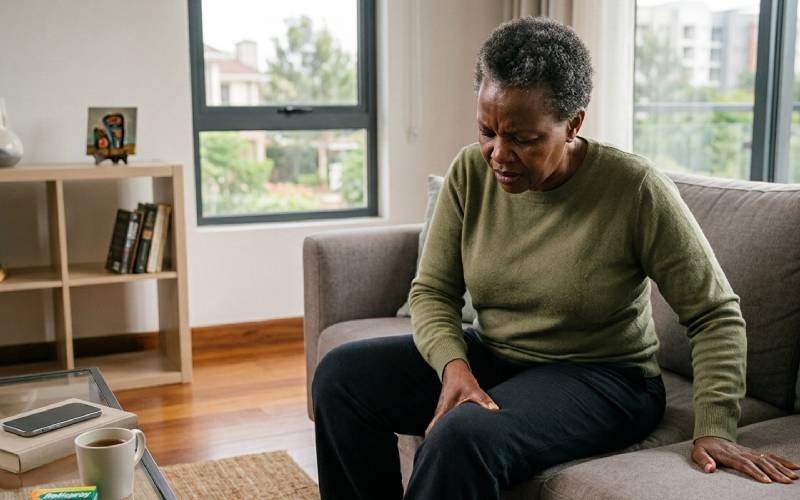
We often look in the mirror for signs of ageing, tracking new grey hairs or fine lines. But the most critical shift is one we cannot see until it starts impacting our daily life: the quiet, steady loss of our muscles, medically known as sarcopenia.
This natural decline in muscle mass and strength begins much earlier than most people realise, creeping in as early as our 30s. Characterised by the gradual loss of muscle mass, strength and function, sarcopenia can make everyday tasks such as climbing stairs, carrying shopping bags or even getting out of a chair increasingly difficult.
Sarcopenia typically begins gradually from the age of 30, with adults losing a small percentage of muscle mass each decade. However, the process accelerates after the age of 50 and becomes even more pronounced after menopause.
The sharp decline in oestrogen levels affects muscle repair and growth, making women particularly vulnerable.
Other contributing factors include physical inactivity, inadequate protein intake, chronic illnesses such as diabetes, heart disease and arthritis, prolonged bed rest and certain medications.
As people live longer, health experts say sarcopenia is becoming an increasingly important public health concern because it raises the risk of falls, fractures, disability and hospitalisation.
According to Dr Paul Masinde, a geriatrician, sarcopenia is often mistaken for “normal ageing,” causing many people to delay seeking help until the condition has significantly affected their mobility.
“Sarcopenia is the gradual loss of muscle mass, strength and physical performance that happens with age. It affects your musculoskeletal system and can make everyday tasks, like climbing stairs or getting out of a chair, harder over time. As your muscles weaken, your risk of falls, fractures and loss of independence goes up.”
Dr Masinde says diagnosis involves assessing muscle strength, physical performance and muscle mass through clinical examinations and specialised tests where available. The encouraging news, he notes, is that sarcopenia is manageable, especially when identified early.
Over time, both the size and number of your muscle fibres decrease. This causes muscle atrophy (thinning), weakness and slower movement. Intentional or unintentional weight loss may also lead to sarcopenia. This is especially true if you’re not doing weight, strength and resistance exercises regularly.
“The most effective treatment combines progressive resistance exercise with adequate nutrition, particularly sufficient protein intake. Strength training is one of the best medicines we have for preserving muscle as we age. It is never too late to start,” he says.
He also encourages women to maintain adequate vitamin D levels, stay physically active throughout the week and manage chronic conditions that may contribute to muscle loss.
Dr Masinde says that there is a difference between muscle atrophy and sarcopenia: muscle atrophy is the loss of muscle tissue, whereas sarcopenia is a type of muscle atrophy that specifically affects you as you age.
The two conditions share common features of muscle loss, but the processes behind them are different. He explains that sarcopenia treatment typically involves making changes to your diet and exercise routine. The goal is to keep your weight and muscle mass stable, as well as strengthen your muscles.
These steps can help treat and reverse sarcopenia.
Stay informed. Subscribe to our newsletter
Fortunately, according to nutritionist Kepha Nyanumba, prevention does not require expensive equipment or complicated fitness programmes.
Regular resistance exercises using weights, resistance bands or body weight can stimulate muscle growth. Walking, balance exercises and flexibility training also play an important role in maintaining mobility and reducing the risk of falls.
“Nutrition is equally essential. Eating enough protein throughout the day, consuming calcium- and vitamin D-rich foods, staying hydrated and avoiding prolonged inactivity all help preserve muscle health.
As more women embrace healthy ageing, let them shift focus from simply losing weight to building and maintaining strength.
Healthy muscles are not just about appearance; they support balance, protect bones, improve metabolism and allow women to continue living independently,” said Kepha.
Subscribe to our newsletter and stay updated on the latest developments and special offers!


 Prefer the Standard on Google







 join
join