×

The Standard e-Paper
Home To Bold Columnists
 The Standard Group Plc is a
multi-media organization with investments in media platforms spanning newspaper
print operations, television, radio broadcasting, digital and online services. The
Standard Group is recognized as a leading multi-media house in Kenya with a key
influence in matters of national and international interest.
The Standard Group Plc is a
multi-media organization with investments in media platforms spanning newspaper
print operations, television, radio broadcasting, digital and online services. The
Standard Group is recognized as a leading multi-media house in Kenya with a key
influence in matters of national and international interest.
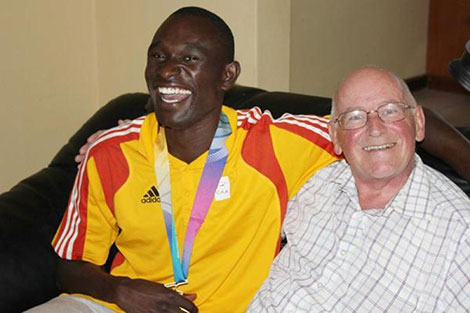 |
On August 9, 2012, inside the London Olympic Stadium, David Lekuta Rudisha strode elegantly to 800m victory with gun-to-tape tactics, stopping the clock just a fraction over 100 seconds for two laps of the track.
His world record remains unchallenged so let us take a look at the training philosophy of his coach, the great Colm O‘Connell.
Coaching guru O‘Connell has famously declared that „there is no secret“ but we can delve a little deeper to have a look at the two men who starred in the screening of a BBC documentary show – David Rudisha: 100 seconds to beat the world.
We begin by exploring the six lessons behind the coaching philosophy of the Irish Patrician Brother from Cork, who took a teaching job in the Kenyan town of Iten back in 1976.
1. You don‘t need to have been a great athlete to be a great coach
With 25 of his students having gone on to become world champions, and four having become Olympic champions, the man who is Kenya‘s most successful middle-distance coach of all-time had no athletics career when he arrived at St Patrick‘s high school in his late 20s. His colleague, Brother Paul Brennan, recalls with affection: „He never ran a race in his life.“
The lesson here is that some top coaches may have been former top athletes, but many will not have been. Either way, quality coaching requires a different skill set from being an elite athlete.

Subscribe to our newsletter and stay updated on the latest developments and special offers!










 join
join