×

The Standard e-Paper
Kenya's Bold Newspaper
 The Standard Group Plc is a multi-media organization with investments in media
platforms spanning newspaper print operations, television, radio broadcasting,
digital and online services. The Standard Group is recognized as a leading
multi-media house in Kenya with a key influence in matters of national and
international interest.
The Standard Group Plc is a multi-media organization with investments in media
platforms spanning newspaper print operations, television, radio broadcasting,
digital and online services. The Standard Group is recognized as a leading
multi-media house in Kenya with a key influence in matters of national and
international interest.

Audio By Vocalize
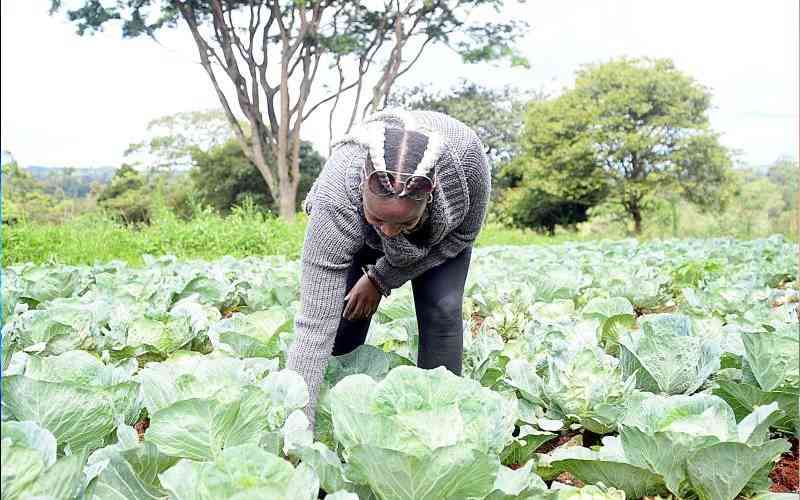
In the early 2000s, the government of India began to witness a strange phenomenon. Every year, the number of suicides of small-scale farmers was rapidly increasing. Environmental activists, speaking to these farmers, quickly came to the realisation that the reason for this was the widespread introduction in 2002 of Monsanto's Bt cotton crop. This crop, marketed as promising a higher yield, repeatedly failed, prompting the farmers to take on more and more debt as they worked to sustain their crop. Soon, the debt became unmanageable for many, and some resorted to drinking pesticide provided by Monsanto, leading to their death. By around 2013, hundreds of thousands of farmers had died this way.
Fast forward to the present and Kenya finds itself on the cusp of a similar conundrum. Just last year, maize farmers in Baringo contracted by Bayer were shocked and disappointed when close to 200 acres of the crop, planted using seeds procured from the firm, failed to yield any produce. Bayer conducted its own investigations and attributed the crop failure to poor weather conditions and planting during the wrong window but that did not take away from the fact that farmers, who were relying on the crop both for sale and for feeding their families, had suffered a huge loss.

Subscribe to our newsletter and stay updated on the latest developments and special offers!










 join
join