×

The Standard e-Paper
Join Thousands of Readers
 The Standard Group Plc is a multi-media organization with investments in media
platforms spanning newspaper print operations, television, radio broadcasting,
digital and online services. The Standard Group is recognized as a leading
multi-media house in Kenya with a key influence in matters of national and
international interest.

Audio By Vocalize
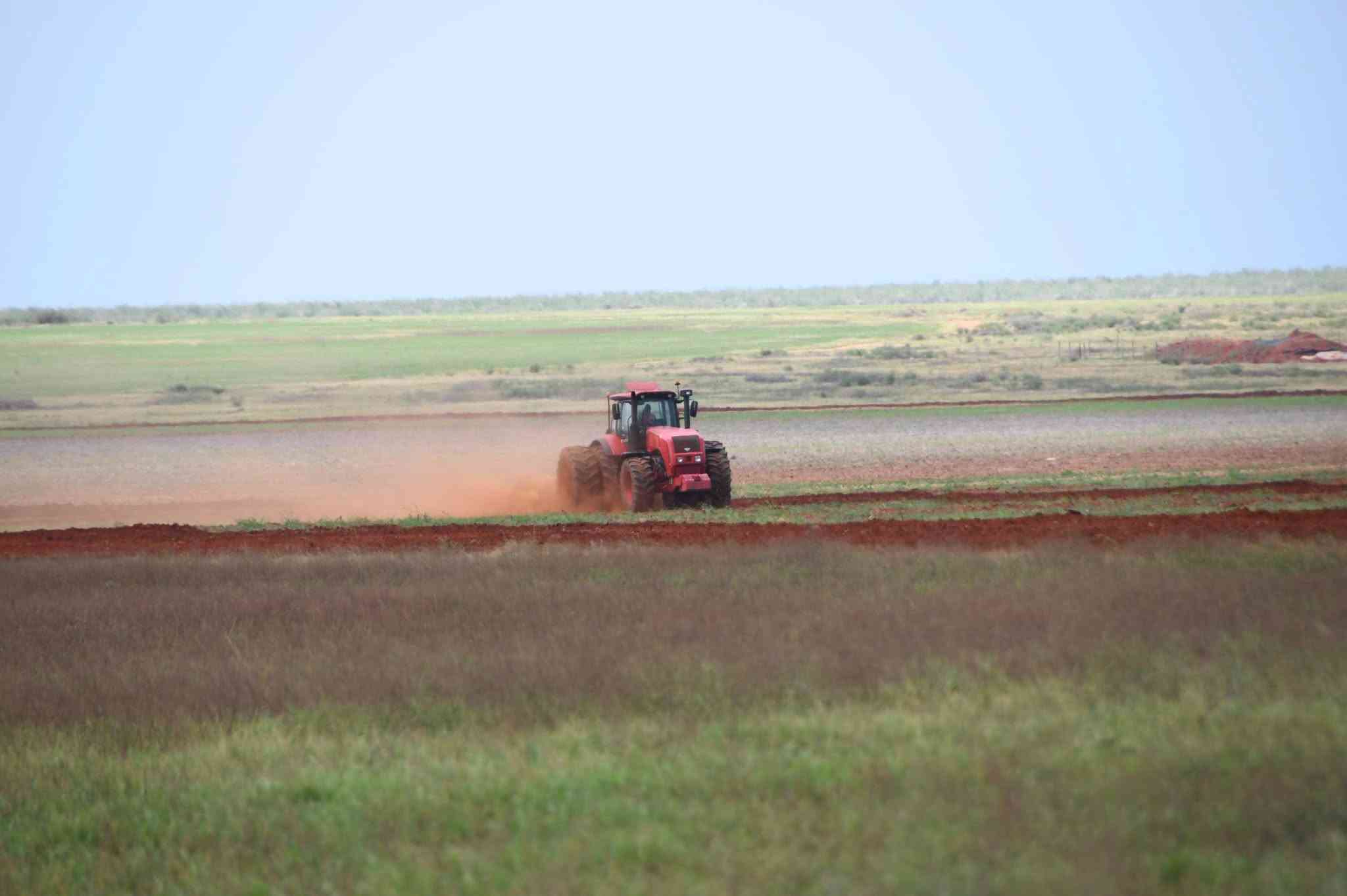
The Government is targeting 1.5 million acres under irrigation to increase food production, reduce imports and open up Kenya's arid regions to commercial farming.
Principal Secretary for Irrigation Ephantus Kimotho said the programme would be implemented in phases, starting with 500,000 acres, as the Government seeks to reduce reliance on rain-fed agriculture and improve food security.
Speaking during a development tour of the Galana-Kulalu Food Security Project, where he hosted Chief of Staff Felix Koskei, 32 Principal Secretaries and other senior Government officials, Kimotho outlined investments in water infrastructure and commercial farming aimed at expanding agricultural production in arid and semi-arid areas.
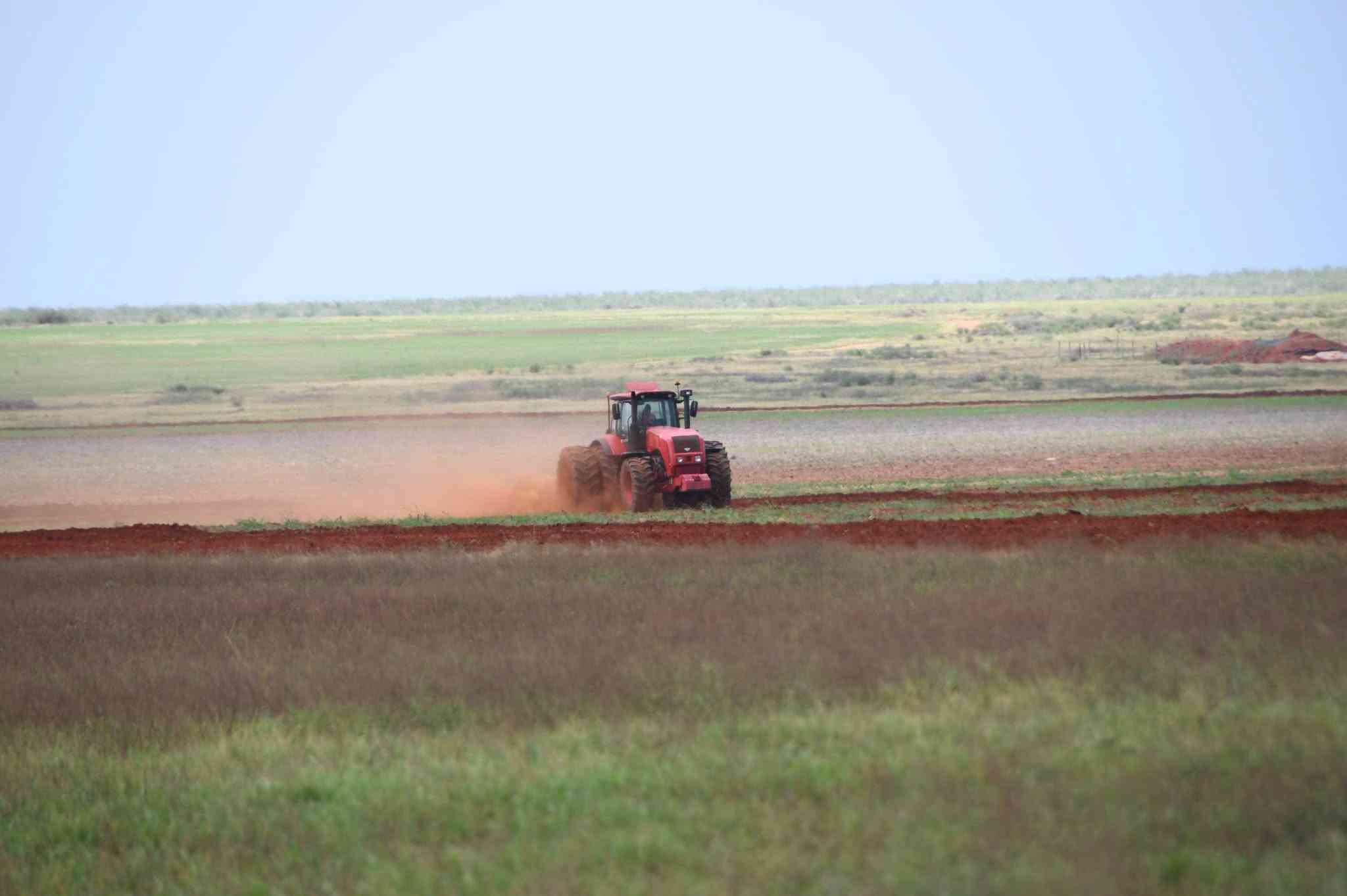
At Galana-Kulalu, the Government has invested about Sh520 million in water infrastructure, initially providing capacity to irrigate 10,000 acres. Private investors are cultivating about 6,000 acres of the land, growing commercial maize, seed maize and soya beans.
The remaining 4,000 acres are expected to be brought under cultivation in the next production season.
The Government is also planning to construct the 350 million cubic metre Galana-Athi Dam, which is expected to unlock irrigation potential across about 200,000 acres.
The project forms part of a wider irrigation expansion programme that includes the 165,000-acre Bura Irrigation Scheme and investments in water storage, roads and electricity to support commercial agriculture.
Through public-private partnerships initiated by President William Ruto in January 2023, the Government is seeking to attract private investors into large-scale farming.
At Galana-Kulalu, Selu Limited is cultivating 2,000 acres of seed maize and plans to expand its operations to 20,000 acres over the next three years.
Pwani Farms has also established 2,000 acres of soya beans and 2,000 acres of maize, supported by a milling plant and solar-powered irrigation systems.
The expansion of soya production is expected to support local supplies of edible oils and animal feed ingredients, reducing reliance on imports while providing raw materials for the livestock, dairy and meat industries.
Beyond crop production, the investments are expected to create jobs, support local processing and provide business opportunities for communities in the region.
Chief of Staff Felix Koskei said the transformation of arid and semi-arid regions would require sustained investment in irrigation, water storage, roads, electricity and agro-processing facilities.
He noted that Kenya could no longer depend on rain-fed agriculture amid unpredictable weather patterns and prolonged droughts.
The Government is also prioritising additional water storage projects, including the proposed Thwake Dam, as part of a wider programme targeting the construction of close to 200 dams for irrigation and other productive uses.
Stay informed. Subscribe to our newsletter
Kenya spends an estimated Sh560 billion annually on food imports, with the Government seeking to increase domestic production of maize, rice, wheat, sugar and edible oils.
The irrigation programme is intended to expand local food supplies, create employment and strengthen agricultural value chains while positioning the country to export surplus produce.

Subscribe to our newsletter and stay updated on the latest developments and special offers!