×

The Standard e-Paper
Truth Without Fear
 The Standard Group Plc is a multi-media organization with investments in media
platforms spanning newspaper print operations, television, radio broadcasting,
digital and online services. The Standard Group is recognized as a leading
multi-media house in Kenya with a key influence in matters of national and
international interest.
The Standard Group Plc is a multi-media organization with investments in media
platforms spanning newspaper print operations, television, radio broadcasting,
digital and online services. The Standard Group is recognized as a leading
multi-media house in Kenya with a key influence in matters of national and
international interest.

Audio By Vocalize

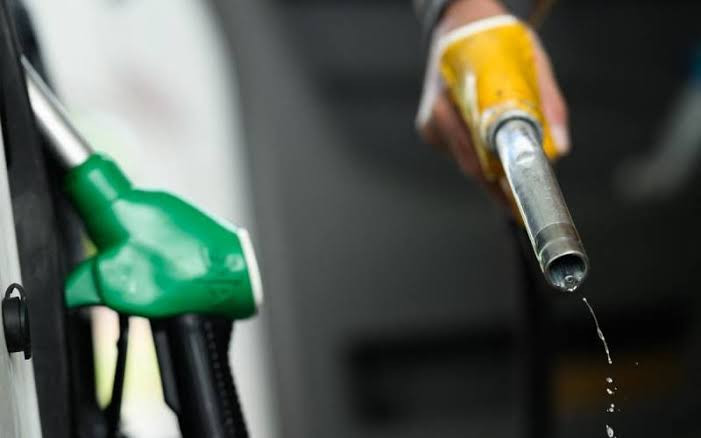
The cost of super petrol has risen to an all-time high, with a litre of petrol set to retail at Sh226.96 in Nairobi.
In the prices for next one month announced yesterday, petrol went up by Sh12.93 per litre.
The cost of kerosene too rose to a historical high of Sh219.85 following a sharp increase of Sh28.49 per litre, further burdening low-income households that use the fuel for lighting and cooking.
The cost of diesel went up by Sh9.90 a litre to Sh227.76.
The Energy and Petroleum Regulatory Authority (Epra) attributed the higher prices to the continued crisis in the Middle East that resulted in higher costs of imported petroleum products.
The energy sector regulator has also withdrawn subsidies across all petroleum products, noting that the kitty had dried up following heavy withdrawals to cushion fuel prices since April.
It added that the decision to increase the cost of kerosene was also aimed at disincentivising unscrupulous players from using what has been cheaper kerosene to adulterate the other fuels.
Over the October-November cycle, Epra did not subsidise any of the products. The regulator explained that the government had heavily tapped into the Petroleum Development Levy Fund, using more than Sh24 billion between April and June. This is nearly the entire amount that the levy collects annually, with past reports showing collections of She 26 billion per year.
The kitty is funded by motorists and attracts Sh5.40 per litre of super petrol and diesel at the pump.
The new prices are expected to push up the cost of living for Kenyans, who are already grappling with high cost of basic items and reduced earnings. Annual inflation rate has in recent months been inching upwards and rose to 6.8 per cent in September, closer to the government’s upper limit of 7.5 per cent. Inflation rose on account of high cost of food and fuel prices.
While Epra attributed the price adjustment to increases in global markets, former Deputy President Rigathi Gachagua yesterday morning, even before the announcement, claimed that the hikes followed a directive by President William Ruto.
“Desperate to raise more cash, last evening (Tuesday), he (President Ruto) ruthlessly ordered an increase in the price of diesel by Sh9 and petrol by Sh12,” said Gachagua.
He added that the CS for Energy and Petroleum Opiyo Wandayi “has been instructed to call a press conference and justify the increase, citing global prices. Pure lies and conmanship.”
At the same time, a Bill sponsored by Majority Leader Kimani Ichung’wah proposes to extend the lower VAT rate of fuel that was introduced in April.
Stay informed. Subscribe to our newsletter
The Tax Laws (Amendment) Bill 2026 proposes to extend the eight per cent rate for fuel by another 90 days.
The government slashed VAT on super petrol, diesel and kerosene in April a move aimed at cushioning Kenyans from a sharp spike in the cost of fuel following the crisis in the Middle East.
The relief was for an initial 90 days, to June, but this was extended by another 90 days to October 14. Epra computed the prices announced yesterday using a VAT rate of eight per cent.
The Bill says that the lower VAT rate would be in effect “for a period of 90 days from the date of coming into effect of this Act,” with a provision allowing the CS Treasury to extend it.

Subscribe to our newsletter and stay updated on the latest developments and special offers!











 join
join