×

The Standard e-Paper
Join Thousands of Readers
 The Standard Group Plc is a multi-media organization with investments in media
platforms spanning newspaper print operations, television, radio broadcasting,
digital and online services. The Standard Group is recognized as a leading
multi-media house in Kenya with a key influence in matters of national and
international interest.
The Standard Group Plc is a multi-media organization with investments in media
platforms spanning newspaper print operations, television, radio broadcasting,
digital and online services. The Standard Group is recognized as a leading
multi-media house in Kenya with a key influence in matters of national and
international interest.

Audio By Vocalize
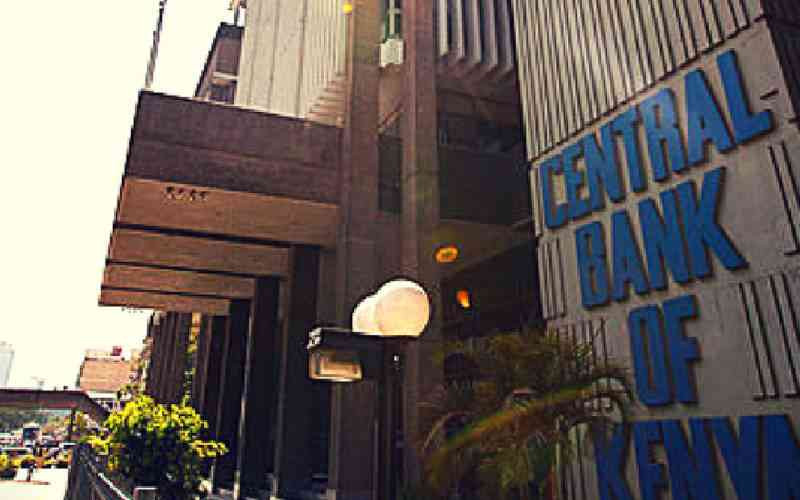
Kenyan banks increased their investment in government securities significantly in 2025, with the amount invested growing much faster than loans to customers.
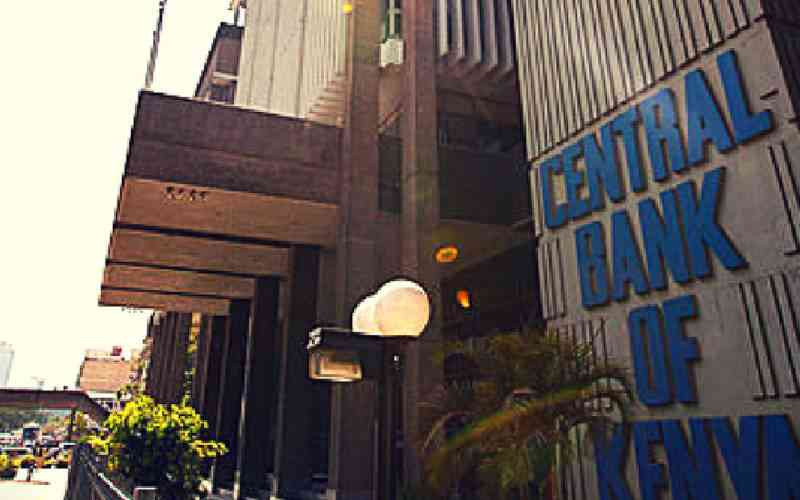
By December 2025, banks held Sh2.5 trillion in government securities, up from Sh2.1 trillion a year earlier, according to the latest report by the Central Bank of Kenya (CBK).
The amount increased by 18.2 per cent during the year.
But at the same time, loans and advances to customers grew by just 6.6 per cent to hit Sh3.9 trillion, down from Sh3.6 trillion.
Justifiably, however, the growth in banks’ liquidity ratio in the period was almost similar to that of loans and advances to customers.
While loans and advances grew by 6.6 per cent, the liquidity ratio improved by 6.3 per cent. This is from 55.8 per cent to 59.3 per cent.
The Bank Supervision Annual Report 2025 states that the increase in the liquidity ratio is mainly attributed to a higher growth in total liquid assets as compared to the growth in short-term liabilities.
“Total liquid assets grew by 16.5 per cent while the short-term liabilities increased by 9.6 per cent. The banking sector’s average liquidity in 2025 was way above the statutory minimum requirement of 20 percent,” the report says.
Additionally, customer deposits grew by 11.6 per cent, from Sh5.5 trillion to Sh6.1 trillion. Customer deposits are banks’ main source of funding for asset growth.
But even with these indices, banks appear unwilling to extend more credit to their customers and would prefer to lend to the government.
Understandably, government securities, as the report reveals, contribute significantly in the growth of their asset base as well as profit growth. In the period, the sector registered a total net asset base of Sh8.3 trillion from Sh7.6 trillion in the previous year. This is an increase of Sh781.8 billion or 10.3 per cent.
“This is attributable to increase in government securities by Sh384.5 billion (18.2 per cent), loans and advances by Sh240.5 billion (6.6 per cent), balances at Central Bank by Sh188.9 billion (61.0 percent) and cash by Sh3.7 billion (3.8 per cent),” the report says.
It adds that net loans and advances, government securities and other assets accounted for 46.5 per cent, 29.9 per cent, and 8.6 per cent of the total net assets, respectively and remained the main components of the banks’ balance sheet.
The report shows that of the Sh818.4 billion total interest income reported by banks in 2025, 60.6 per cent was contributed by loans and advances to customers, 34.8 per cent by government securities, 4.4 per cent by deposit placed with other banking institutions and 0.2 per cent classified as other interest income.
But while the most income was from loans and advances to customers, government securities provided the most growth.
Stay informed. Subscribe to our newsletter
In fact, interest income from loans and advances to customers recorded a negative growth of 7.6 per cent. This is from Sh536.1 billion in 2024 to Sh495.6 billion in 2025.
However, interest income from deposits invested in government securities grew by 9.1 per cent from Sh260.7 billion to Sh284.4 billion.
The report says that total income for the banking sector decreased by two per cent to Sh1,032.9 billion in December 2025 from Sh1,054.4 billion in December 2024.
“The decrease in income was largely attributed to a decrease in interest on advances (Sh40.6 billion), interest on placements (Sh3.3 billion) and other fees and commission income (Sh1.9 billion) between December 2024 and December 2025,” the report says.
The preference of banks in investing with government securities is despite subdued growth in interest rates, which fell from 10.75 per cent in February 2025 and closed the year at 9.0 per cent. Currently, the Central Bank Rate (CBR) is 8.75 per cent.
On the flipside, however, the government has been raiding the domestic market to fund its budget, which provides a ready customer for banks to invest.
Subscribe to our newsletter and stay updated on the latest developments and special offers!













 join
join