×

The Standard e-Paper
Home To Bold Columnists
 The Standard Group Plc is a
multi-media organization with investments in media platforms spanning newspaper
print operations, television, radio broadcasting, digital and online services. The
Standard Group is recognized as a leading multi-media house in Kenya with a key
influence in matters of national and international interest.

Audio By Vocalize
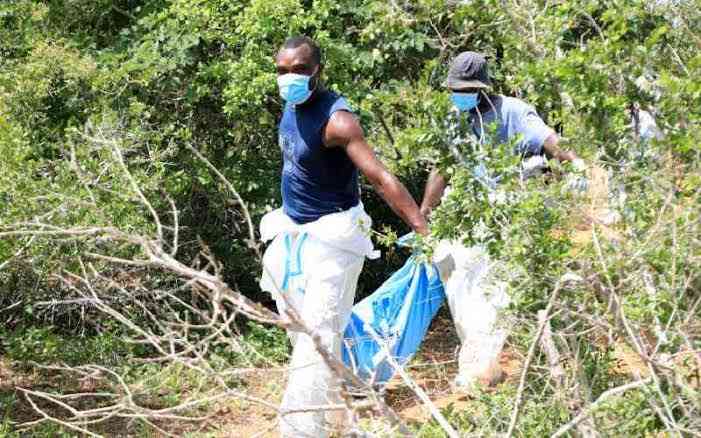
Behind the numbers from Shakahola are children who were hungry, frightened and taught to call their suffering faith. Their deaths demand a Church that is angry enough to confront evil, even when it wears religious robes, speaks in the name of God, and claims the authority of Scripture. The church then must heighten its context sensitivity.
The Church condemned and still condemns the deaths of Gen Z protesters at the hands of the State. It must also continuously condemn the Shakahola deaths. It cannot speak loudly and sustainably when the State takes life and remain remote when people die under religious authority.
Human life does not become less sacred because its destruction happens in the name of faith. Sluggishness over Shakahola while condemning state killings risks making the Church’s moral voice selective rather than principled.
When the Church speaks loudly when its freedoms are threatened but whispers when people are harmed in its name, its silence begins to look like complicity. Solidarity must never become cover for wrongdoing.
Shakahola must become a mirror, not merely a scandal the Church hopes to survive.
Heaven on earth
Religion must demonstrate its value on earth. Heaven is central to Christian hope, but a promise of heaven cannot defend evidence of murder. Religious claims must be examined against the consequences of the conduct they authorise. Christianity asks heaven’s hope to transform life here and now: homes where children thrive, communities where people are safe, and institutions where dignity is protected. We must build a little heaven down here.
Jesus said he came that people may have life, and have it abundantly (John 10:10). Discipleship makes costly demands, but sacrifice must serve life, not destroy it. The cross is not a licence to inflict suffering on others, and self-denial cannot become a system through which leaders impoverish families, deprive children of food, or demand that followers surrender their lives to prove their faith.
Sacrifice must facilitate abundant life, with earthly evidence.
Reforms
Shakahola calls for serious reform. Churches must examine leadership, clarify theological commitments, strengthen safeguarding and establish accountability. No leader should be beyond correction, and no claim to spiritual authority should be exempt from questions about how it is exercised and what it produces.
The Church’s claim that it can regulate itself falls flat when placed face to face with Shakahola. Self-regulation is not a privilege to be asserted; it is a responsibility to be demonstrated. Where were the safeguards? Who was asking the difficult questions? What mechanisms existed to stop dangerous teaching before it became fatal practice?
Religious freedom must be protected; the state should not dictate theology. But freedom cannot become institutional immunity. The state must protect life and intervene against criminal conduct. The stronger the Church’s claim to self-regulation, the stronger its obligation to show that regulation works: enforceable standards, independent scrutiny, transparent governance, effective safeguarding and consequences for misconduct. Without these, self-regulation sounds less like responsibility and more like a demand to be left alone.
Stay informed. Subscribe to our newsletter
Ecumenism must mean more than prayer and statements; it must include mutual accountability. If Christian unity makes us reluctant to challenge harmful teaching, it becomes a shield for wrongdoing rather than a witness to Christ.
Children are a test of religious credibility. When Jesus welcomed children, he did not choke them. He blessed them. What happens to children under our teaching? Do they become healthier, wiser and more secure, able to ask questions and think clearly? Or frightened, isolated and dependent on an authority they dare not question? Ask children what they learn in church school. Their answers may reveal what sermons and attendance statistics conceal.
A church that impoverishes households through coercive giving, undermines responsible parenting or separates families through destructive demands becomes an enemy of the community it claims to serve. Who benefits from the sacrifice? Who bears its cost? What evidence is there that it produces life?
Working structures
The Hesabika Trust’s Code of Conduct and Governance Guidelines for the Church in Kenya are an excellent example of a practical tool, especially for ministries that are yet to invest in sound oversight and management systems. By developing a model governance document, Hesabika opens the door to further innovations that guard the Church against stealing, killing and destroying. Beyond preventing harm, such innovations propel the Church towards fulfilling its mission of delivering visible abundant life to individuals, institutions and communities.
The Church must also free itself from the self-sufficiency complex and embrace the value of partnerships. Partnerships with governance experts, theologians, legal professionals, child-protection specialists and other institutions can strengthen accountability without compromising the Church’s spiritual and pastoral responsibilities. Partnership is not a surrender of spiritual authority; it is an expression of institutional wisdom.
Churches could also adopt an Abundant Life Audit. It would not measure God’s favour, but test the gospel’s life-giving claims against effects on children, families, education, health and financial security.
Lesson learnt
Believers, too, need practical guidance for recognising religious manipulation.
The test of reform will not be the number of statements issued or conferences held. It will be whether vulnerable people are safer, families stronger, leaders more accountable and destructive practices stopped before they become tragedies.
Heaven remains our hope. Abundant life must be our earthly evidence.
The Church must become a place where people encounter the God of life, not a place where they are taught to surrender life to the claims of a man.
Subscribe to our newsletter and stay updated on the latest developments and special offers!

 Prefer the Standard on Google