×

The Standard e-Paper
Kenya’s Boldest Voice
 The Standard Group Plc is a
multi-media organization with investments in media platforms spanning newspaper
print operations, television, radio broadcasting, digital and online services. The
Standard Group is recognized as a leading multi-media house in Kenya with a key
influence in matters of national and international interest.
The Standard Group Plc is a
multi-media organization with investments in media platforms spanning newspaper
print operations, television, radio broadcasting, digital and online services. The
Standard Group is recognized as a leading multi-media house in Kenya with a key
influence in matters of national and international interest.
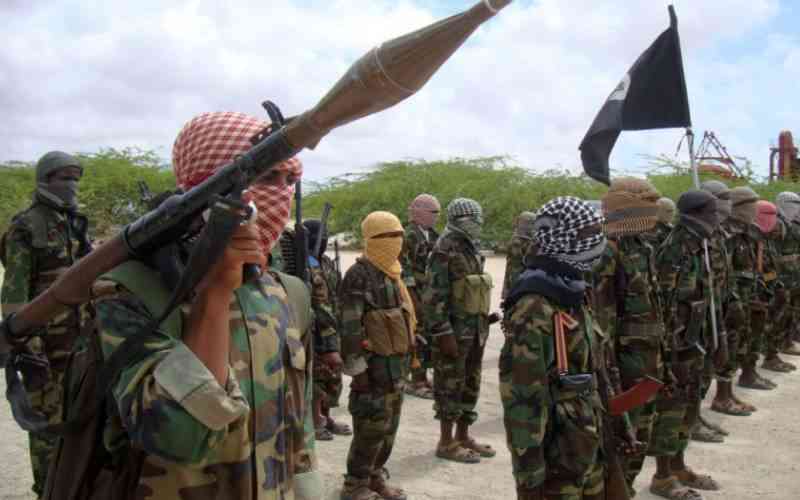
Somalia stands at a critical crossroads. Political disputes over constitutional amendments, electoral arrangements, mandates, and the distribution of power continue while Al-Shabaab exploits divisions within the state. Despite decades of political transitions, familiar leaders, alliances, and power brokers repeatedly return to the centre of national politics, often without changing the methods that have kept the country fragile.
Somalia does not need change for its own sake, nor does youth automatically guarantee competence. It needs political renewal: Leaders with integrity, administrative ability, national vision, and independence from entrenched patronage networks. The central question is no longer simply who should lead Somalia, but whether the country can build institutions that serve citizens rather than competing political interests.
Subscribe to our newsletter and stay updated on the latest developments and special offers!


 Prefer the Standard on Google






 join
join