×

The Standard e-Paper
Smart Minds Choose Us
 The Standard Group Plc is a
multi-media organization with investments in media platforms spanning newspaper
print operations, television, radio broadcasting, digital and online services. The
Standard Group is recognized as a leading multi-media house in Kenya with a key
influence in matters of national and international interest.
The Standard Group Plc is a
multi-media organization with investments in media platforms spanning newspaper
print operations, television, radio broadcasting, digital and online services. The
Standard Group is recognized as a leading multi-media house in Kenya with a key
influence in matters of national and international interest.

Audio By Vocalize

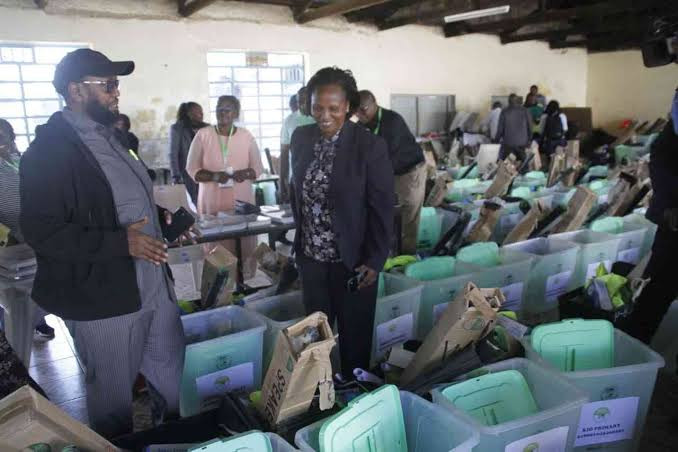
Regardless of the outcome of the Ol Kalou parliamentary by-election, Kenya already has what it needs most as it prepares for the next general election: Valuable lessons. The winner of this contest is almost beside the point.
What is of great significance is what the campaigns, the conduct of political actors and the response of our institutions reveal about the state of our democracy and our readiness for the next national vote. The most consequential question is not who wins, but how the entire electoral process has been conducted.
This by-election has understandably attracted national attention, given the country's current political climate. Many are eager to interpret its outcome as a predictor of 2027. That conclusion, however, would be misplaced.
By-elections are shaped by many things including local issues, personalities and unique political dynamics. It would be naïve to assume that whatever verdict emerges from Ol Kalou will be replicated nationally, or even in the same constituency a few months from now.
What by-elections do exceptionally well, is test the strength of democratic institutions under real electoral conditions. In that respect, Ol Kalou has already served its purpose. It has exposed vulnerabilities while there is still time to fix them.
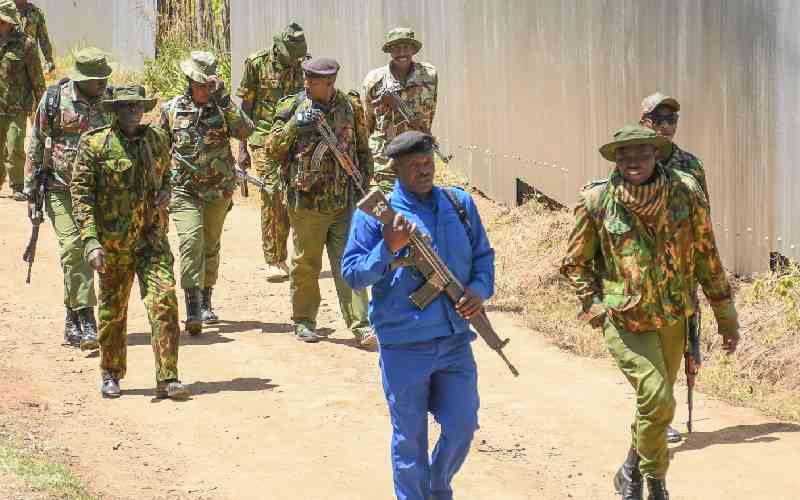
The campaign period has been marked by disturbing reports of violence, blatant voter bribery, intimidation and increasingly toxic political rhetoric. So serious were these concerns that the IEBC’s chairperson warned that the by-election itself could be called off if the integrity of the process continued to be undermined. As the people of Ol Kalou go to the polls, opinions are divided as to whether the elections will be free and fair.
The key question emerging from what we have witnessed is whether the institutions charged with safeguarding our democracy are sufficiently prepared to confront these challenges decisively ahead of 2027.
Democracies are not tested on the day of polling. They are tested during nominations and the entire campaign period. They are measured by how the police enforce the law, how electoral offences are investigated and prosecuted and whether every citizen can participate freely without fear, intimidation or violence.
Ol Kalou has laid bare these concerns. If a single parliamentary by-election can expose weaknesses in security, electoral law enforcement and institutional impartiality, then we should embrace it as an opportunity for the institutions responsible to strengthen the required systems before the country goes to the polls in 2027.
The tragedy of the 2007 General Election did not erupt overnight. It was preceded by growing political tensions, inflammatory rhetoric and institutional failures that eventually brought the nation to its knees. The 2017 elections demonstrated that peaceful voting alone does not guarantee a credible election.
The Supreme Court's historic nullification of the presidential election reaffirmed that constitutional compliance, transparency and adherence to the law are fundamental to electoral legitimacy. Then we had the 2022 elections. While largely peaceful, they affirmed that public confidence in electoral institutions is important.
Each election has been an opportunity to learn and strengthen our systems. Too often, however, we forget them once the dust settles. But we can make the next elections different.
Preparing for the 2027 General Election must go beyond budgeting and procuring ballot papers or even embracing technology. While these are important, they are only part of the equation.
More attention must be given to the integrity of the campaign environment, the impartiality of security agencies, the protection of public resources from partisan abuse, the decisive enforcement of laws against hate speech and electoral offences, and, above all, rebuilding public confidence that every vote will count because the institutions entrusted with protecting the process can be trusted.
Stay informed. Subscribe to our newsletter
These are the conversations that should dominate our national discourse after Ol Kalou.
The greatest success of this by-election will not necessarily be the election of a new Member of Parliament. It will be whether Kenya has the humility to learn from what it has witnessed and the courage to act on those lessons.
Free, fair, transparent and peaceful elections can be our reality going forward. Ol Kalou just alerted us on what needs to be done to get there.
-Ms Wekesa is a development communication specialist
Subscribe to our newsletter and stay updated on the latest developments and special offers!


 Prefer the Standard on Google






 join
join