×

The Standard e-Paper
Stay Informed, Even Offline
 The Standard Group Plc is a
multi-media organization with investments in media platforms spanning newspaper
print operations, television, radio broadcasting, digital and online services. The
Standard Group is recognized as a leading multi-media house in Kenya with a key
influence in matters of national and international interest.
The Standard Group Plc is a
multi-media organization with investments in media platforms spanning newspaper
print operations, television, radio broadcasting, digital and online services. The
Standard Group is recognized as a leading multi-media house in Kenya with a key
influence in matters of national and international interest.

Audio By Vocalize
Last week, President William Ruto announced measures aimed at calming tension in the transport industry. On Monday and Tuesday last week, matatu and truck operators went on a nationwide strike to protest the exponential rise in fuel prices announced by the Energy and Petroleum Regulatory Authority (EPRA).
Had Ruto not intervened, the strike would have continued despite EPRA having lowered the price of diesel by Sh10. Ruto’s promise of a further Sh10 reduction during the June–July pricing cycle calmed industry players enough for them to call off the strike.
Other measures the President announced included directing the Ministry of Transport to engage financial institutions to explore temporary relief on lending terms for transport operators, ordering a review of the Insurance Act and the Auctioneers Act within three months, and directing the National Transport and Safety Authority (NTSA) to develop regulations governing minimum fares for digital taxi platforms to resolve disputes in the ride-hailing industry.
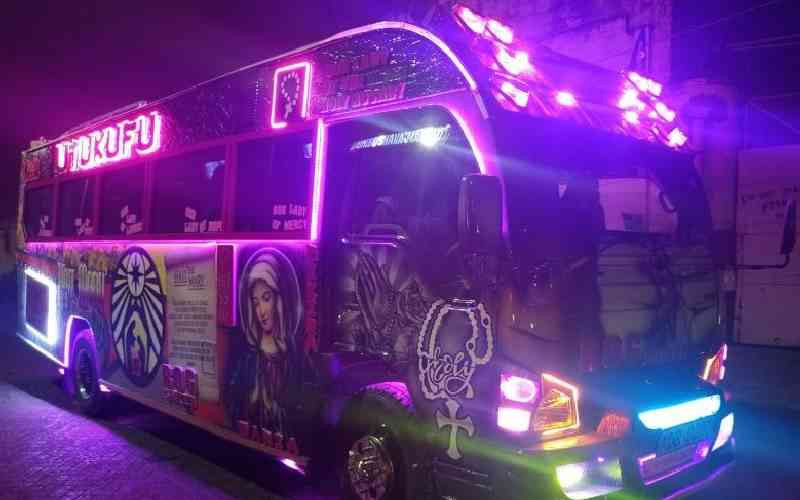
Further placatory measures included ordering police to allow matatus bearing graffiti to operate unmolested. This presidential directive effectively overrides a ruling by Justice Bahati Mwamuye of the High Court, who, on April 29, dismissed a constitutional petition filed by Michael Makubo challenging NTSA’s May 2025 enforcement notice banning graffiti, decorative artwork, and tinted windows on public service vehicles. The court found the directive both lawful and constitutional, holding that road safety considerations outweighed claims of artistic expression. That ruling was unambiguous.
Matatu culture has grown offensive and increasingly lawless. Vehicles smothered in garish graffiti flout every available traffic rule while police watch helplessly. The court understood this when it sided with the regulator. Ruto should stop treating court rulings as inconveniences to be set aside whenever they conflict with political calculations. The court order on graffiti should be honoured, not weaponised for political mileage among transport operators.
The President should also not go out of his way to appease matatu owners because the real sufferers are ordinary Kenyans who bear the cost of high fuel prices directly. Commuters who were forced to walk long distances to work during the strike are the same people who will continue paying inflated transport fares. The measures Ruto announced do not address their concerns. A Sh10 reduction in diesel prices in the next review cycle is a future promise, not present relief. It is a concession to industry players, not to struggling households.
A government that spent Sh28.19 billion on fuel stabilisation between April and June 2026 should be explaining to Kenyans why pump prices still hit historic highs. Ruto explained in Mombasa that this is a global crisis, which is accurate but insufficient. Kenyans deserve more than explanations; they deserve a concrete plan. Appeasing matatu bosses with graffiti reprieves while ordinary Kenyans continue to bear an unbearable cost of living is governance out of touch with its own responsibilities.
Subscribe to our newsletter and stay updated on the latest developments and special offers!

 Prefer the Standard on Google





 join
join