×

The Standard e-Paper
Smart Minds Choose Us
 The Standard Group Plc is a
multi-media organization with investments in media platforms spanning newspaper
print operations, television, radio broadcasting, digital and online services. The
Standard Group is recognized as a leading multi-media house in Kenya with a key
influence in matters of national and international interest.
The Standard Group Plc is a
multi-media organization with investments in media platforms spanning newspaper
print operations, television, radio broadcasting, digital and online services. The
Standard Group is recognized as a leading multi-media house in Kenya with a key
influence in matters of national and international interest.

Audio By Vocalize
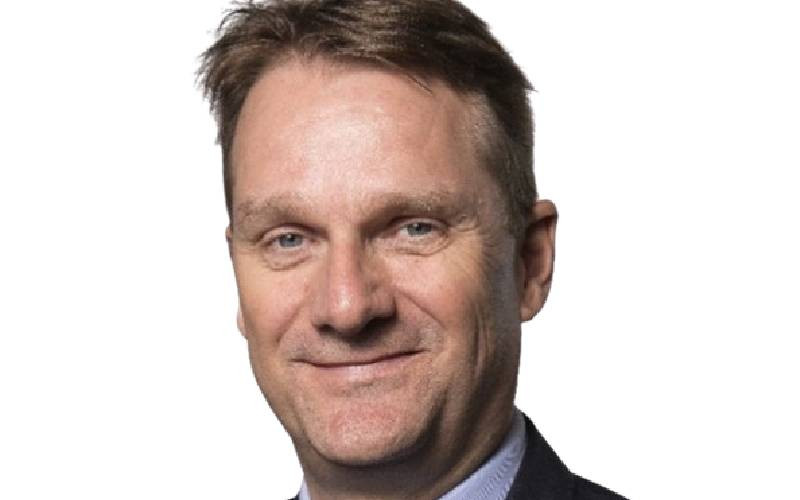
Today we celebrate King Willem-Alexander’s birthday, our National Day, in Nairobi. On the actual King’s Day, April 27, the Netherlands transforms into a sea of orange. People across the country, in cities and towns big and small, come out and celebrate. It is a true feast!
Something else is happening today as well. The high-level Joint Trade Committee (JTC) between our two countries is taking place in the Netherlands. Because parties are great, but business must go on. Initiated during last year’s State Visit of the Netherlands to Kenya, the JTC provides a structured platform to identify bottlenecks, facilitate solutions, and ensure that policy frameworks are responsive to business needs. Whether addressing regulatory challenges, market access issues, or logistical constraints, this mechanism is essential to unlock new opportunities.
Kenya is one of the most dynamic economies in Africa and a key trading partner for the Netherlands. As a gateway to East Africa, Kenya offers significant opportunities for investment, innovation, and sustainable growth. Our bilateral relations are rooted in the shared ambition to accelerate economic development, create jobs, and build resilient systems that benefit both our countries.
Kenya’s strategic importance to the Netherlands and to Europe cannot be overstated. As a regional hub, Kenya offers access to a rapidly growing regional market of over 500 million people, supported by strong infrastructure, a youthful and educated workforce and a vibrant and innovative private sector. The country’s leadership in technology, digital finance and renewable energy aligns closely with Dutch priorities on trade and economy. Moreover, Kenya’s commitment to climate action and sustainable development makes it a natural partner in advancing global solutions to shared challenges.
Therefore, it is no surprise that the economic footprint of Dutch engagement in Kenya is growing. The Netherlands remains one of the largest destinations for Kenyan exports globally and consistently ranks top in the European markets. In recent years, Kenyan exports to the Netherlands have averaged $700M-1Bn, driven largely by horticultural goods. This trade generates significant foreign exchange earnings for Kenya and drives job creation. Imports from the Netherlands into Kenya have also grown steadily, reflecting a strong two-way trade relationship.
Beyond trade, Dutch investment continues to play a pivotal role in Kenya’s economic transformation. The Netherlands Business Hub Kenya has a membership of around 100 multi-sector companies, while over 150 Dutch firms operate in Kenya, driving growth, jobs, and innovation. A recent addition is De Heus, whose investment of over €20 million in a local animal feed production plant strengthens agricultural value chains, supports farmers, and enhances food security. Such investments demonstrate how private sector engagement can deliver commercial and developmental impact.
Dutch development finance institutions are central to this ecosystem. The Dutch Entrepreneurial Development Bank (FMO) manages an investment portfolio of approximately €300 million across sectors, catalysing growth while managing risk. The Dutch Good Growth Fund deploys about $100 million to SMEs and women's enterprises. And Invest International complements this through the Dutch Desk at KCB Bank Kenya, unlocking access to finance for businesses. These institutions provide not just capital, but long-term partnerships with financial institutions that enable businesses to thrive in local contexts and markets.
Our partnership is further strengthened within the framework of the European Union Global Gateway, which seeks to mobilise sustainable investments in infrastructure, connectivity, and green transitions. Kenya is central to the vision of stronger regional markets and resilient food systems. Anchored in the Northern Corridor project, we invest in climate-resilient infrastructure (cool chain logistics), support sustainable agro-logistics, and enhance trade connectivity, while ensuring that growth is inclusive and locally anchored.
Finally, despite dwindling global aid budgets, the Netherlands has continued to be a reliable bilateral development partner, managing a €278 million cooperation portfolio in Kenya over the past four years.
Looking ahead, the focus must be on scaling what works. As we celebrate King’s Day, we do so with a clear sense of purpose. We must deepen investment in sectors such as agriculture, water, renewable energy, health and logistics. We must strengthen trade facilitation and foster innovative partnerships. And we must continue supporting Kenyan enterprises, which are at the heart of economic growth and job creation. For the Netherlands, Kenya is not just a partner: it is a cornerstone of our engagement in Africa and a key ally in building a more sustainable and prosperous future.
The writer is Netherlands Ambassador to Kenya, Somalia, Seychelles and Eritrea and Permanent Representative to the United Nations.
Subscribe to our newsletter and stay updated on the latest developments and special offers!


 Prefer the Standard on Google





 join
join