×

The Standard e-Paper
Home To Bold Columnists
 The Standard Group Plc is a
multi-media organization with investments in media platforms spanning newspaper
print operations, television, radio broadcasting, digital and online services. The
Standard Group is recognized as a leading multi-media house in Kenya with a key
influence in matters of national and international interest.
The Standard Group Plc is a
multi-media organization with investments in media platforms spanning newspaper
print operations, television, radio broadcasting, digital and online services. The
Standard Group is recognized as a leading multi-media house in Kenya with a key
influence in matters of national and international interest.
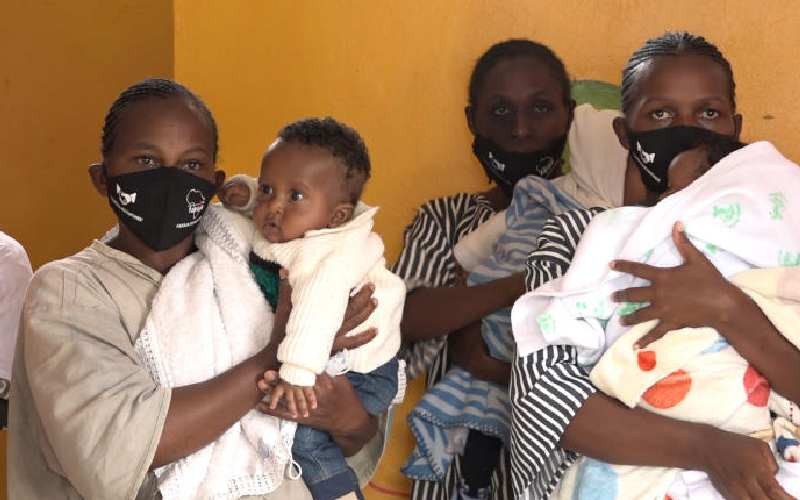
I served a prison sentence with my three-month-old daughter in my arms. I know, intimately and painfully, what it means for a child to take their first breaths behind cold prison walls. I know the sound of keys clanking where lullabies should be, the weight of shame layered on top of fear, and the quiet breaking of dignity that incarceration inflicts not just on the convicted, but on the innocent child beside them.
The recent landmark ruling by High Court judge Rueben Nyakundi, affirming that probation, not imprisonment, should be prioritised for mothers with young children, is therefore not just progressive jurisprudence. It is moral clarity long overdue.
For far too long, our justice system has punished women in ways that quietly, but violently, punish children. When a mother is imprisoned, the law may say the sentence belongs to her. But the reality is that the child serves it too, either by being forced into prison during their most formative years, or by being torn away from their primary source of love, safety, and attachment. This is an injustice we have normalised for decades.
Justice Nyakundi’s ruling courageously confronts that injustice.
By recognising probation and other non-custodial measures as the more just and effective option for mothers with young children, the court affirms a simple but powerful truth: Accountability does not require incarceration. Justice must protect society without destroying families. It must correct harm without creating new, generational wounds.
This decision acknowledges what lived experience and evidence have long shown us, that short-term imprisonment of mothers does little to rehabilitate, but immense damage to families. It fractures bonds, disrupts child development, entrenches stigma, and often pushes women further to the margins they were already struggling to escape.
As a woman who has walked this road personally, I have seen what happens when we choose restoration over punishment. I have seen mothers heal, rebuild, work, parent, and contribute meaningfully to society when given alternatives rooted in dignity and support. Probation, community-based sentences, and reintegration programmes do not weaken justice; they strengthen it.
This ruling validates restorative justice. It affirms that our legal system is capable of growth, empathy, and courage and places children at the centre of moral consideration while also sending a powerful message to women: You are accountable, but also human, capable of change, and worthy of a second chance.
From a child development perspective, the implications are immense. Early childhood shapes emotional attachment, cognitive growth, and a sense of safety. Growing up in prison or separated from a mother due to incarceration causes deep trauma with lifelong effects. Nyakundi’s ruling rightly centres children’s psychological well-being and right to family life in sentencing, aligning with the Constitution and the Children Act 2022.
For me, this judgment is both deeply personal and profoundly hopeful. It is a step toward a justice system that no longer confuses punishment with justice, or cruelty with accountability. It is a step toward a Kenya where no child’s first memories are of prison bars, and no mother must choose between motherhood and redemption.
This is what progress looks like.
Ms Njoroge is the founder and CEO of Clean Start Africa
Subscribe to our newsletter and stay updated on the latest developments and special offers!









 join
join