×

The Standard e-Paper
Home To Bold Columnists
 The Standard Group Plc is a
multi-media organization with investments in media platforms spanning newspaper
print operations, television, radio broadcasting, digital and online services. The
Standard Group is recognized as a leading multi-media house in Kenya with a key
influence in matters of national and international interest.
The Standard Group Plc is a
multi-media organization with investments in media platforms spanning newspaper
print operations, television, radio broadcasting, digital and online services. The
Standard Group is recognized as a leading multi-media house in Kenya with a key
influence in matters of national and international interest.
On Friday, March 21, 2025, at the Goethe-Institut Nairobi, a team of thespians led the audience in a public reading of Parliament of Owls, a play by my friend Adipo Sidang’. Exactly a week later, in the company of Sidang’ and rapper Juliani at the University of Nairobi’s Taifa Hall, I sat through a two-hour lecture titled We Are Not Mentally Ill: Deconstructing the Mad Genius Trope in Literature, by former serviceman, literature and law scholar Professor Peter Wasamba.
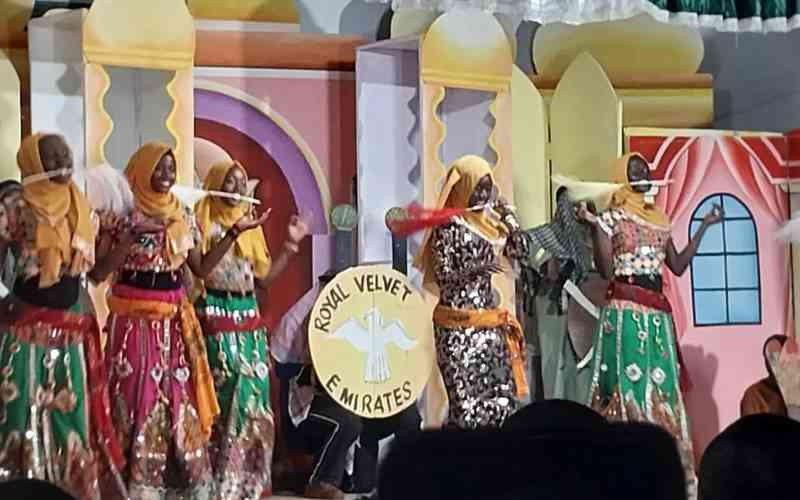
Not long afterwards, at the school-hosted drama and film festival in Nakuru, Kenya witnessed a State-ordered ban on a play. Echoes of War, written and directed by former Kakamega Senator Cleophas Malala, was barred from performance.
Subscribe to our newsletter and stay updated on the latest developments and special offers!


 Prefer the Standard on Google






 join
join