×

The Standard e-Paper
Smart Minds Choose Us
 The Standard Group Plc is a
multi-media organization with investments in media platforms spanning newspaper
print operations, television, radio broadcasting, digital and online services. The
Standard Group is recognized as a leading multi-media house in Kenya with a key
influence in matters of national and international interest.
The Standard Group Plc is a
multi-media organization with investments in media platforms spanning newspaper
print operations, television, radio broadcasting, digital and online services. The
Standard Group is recognized as a leading multi-media house in Kenya with a key
influence in matters of national and international interest.
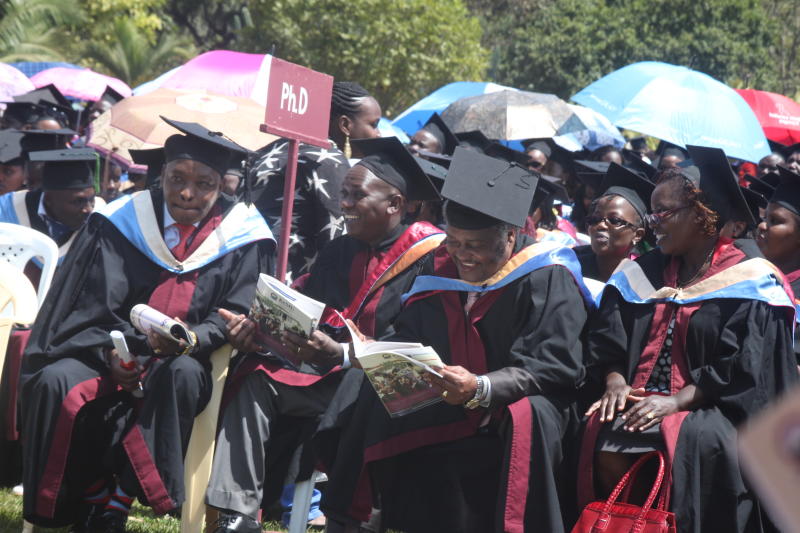
The Education 2030 Agenda set out by Unesco and World Bank Group reaffirms that holistic teachers are the key to achieving inclusive and equitable quality education and lifelong learning for all.
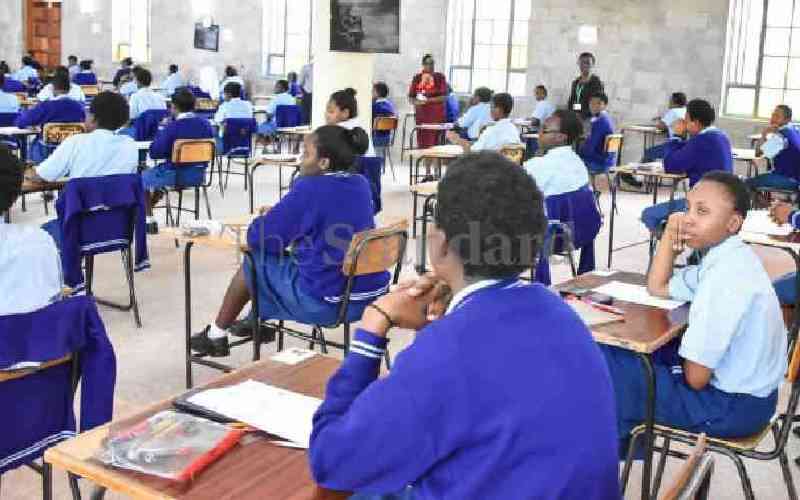
Thus, teacher education and training require a cautious and watchful approach because the role of teachers in a child’s education has changed fundamentally. To this end, to have holistic education, there must be holistic teachers. Holistic education is a comprehensive approach to teaching where educators seek to address the emotional, social, ethical, and academic needs of students in an integrated learning format. Here, teachers often engage students in projects that apply critical-thinking skills towards solving real-world problems.
Subscribe to our newsletter and stay updated on the latest developments and special offers!










 join
join