×

The Standard e-Paper
Smart Minds Choose Us
 The Standard Group Plc is a
multi-media organization with investments in media platforms spanning newspaper
print operations, television, radio broadcasting, digital and online services. The
Standard Group is recognized as a leading multi-media house in Kenya with a key
influence in matters of national and international interest.

Audio By Vocalize
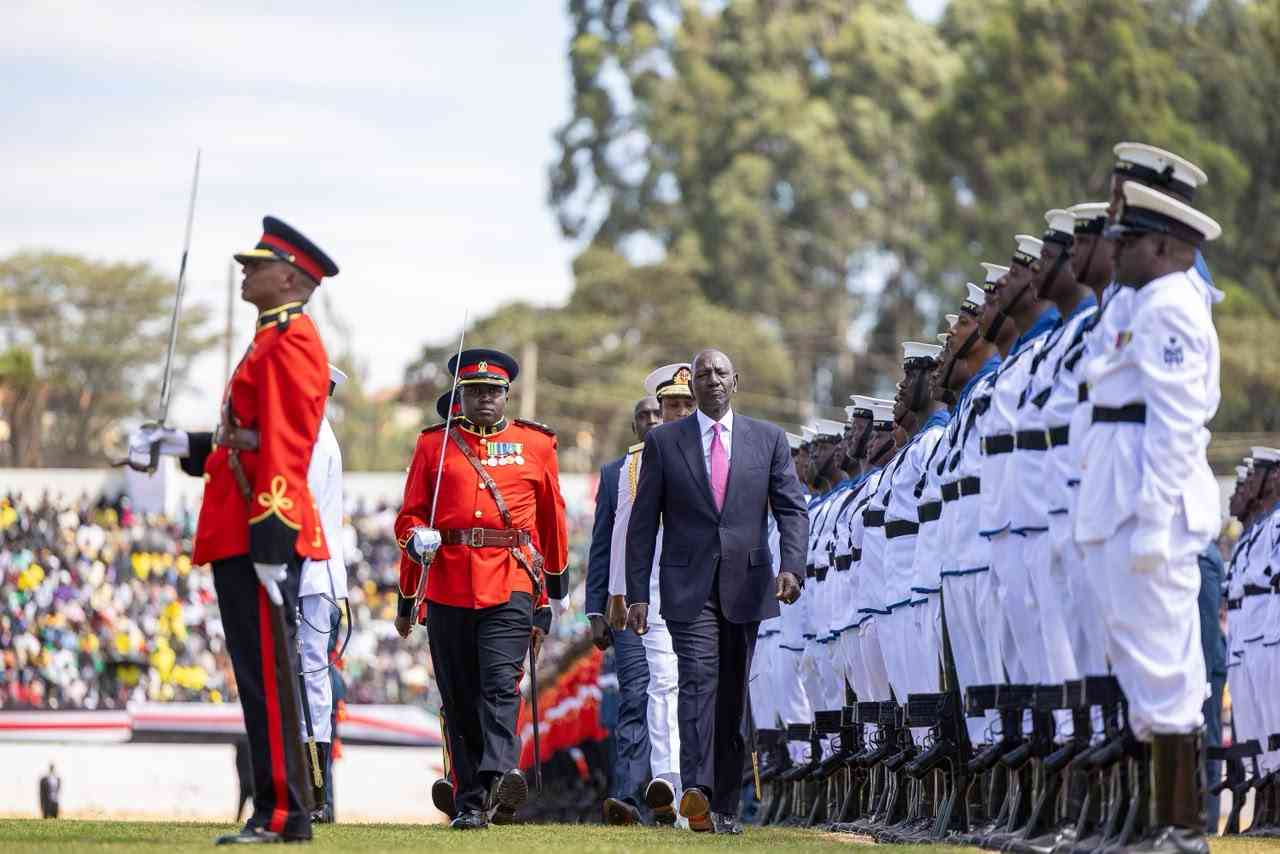
Workers earning Sh32,333 or less a month will pay no Pay As You Earn (PAYE) tax under proposals announced by President William Ruto during Mashujaa Day celebrations at Kipchoge Keino Stadium in Eldoret.
Ruto announced the proposed tax relief alongside three other measures aimed at easing the cost of living, making property ownership more affordable and expanding employment opportunities for young people.
The proposals will be presented to Parliament beginning next week.
The National Treasury has also developed proposals to exempt land transactions worth Sh1 million or less from stamp duty and introduce progressive rates for higher-value transactions.
The President further proposed removing the 25 per cent import duty on mobile phones, arguing that making devices more affordable would widen access to digital jobs and other online opportunities.
From January 1, 2027, the government plans to expand the national internship programme to accommodate 50,000 young Kenyans, each receiving a monthly stipend.
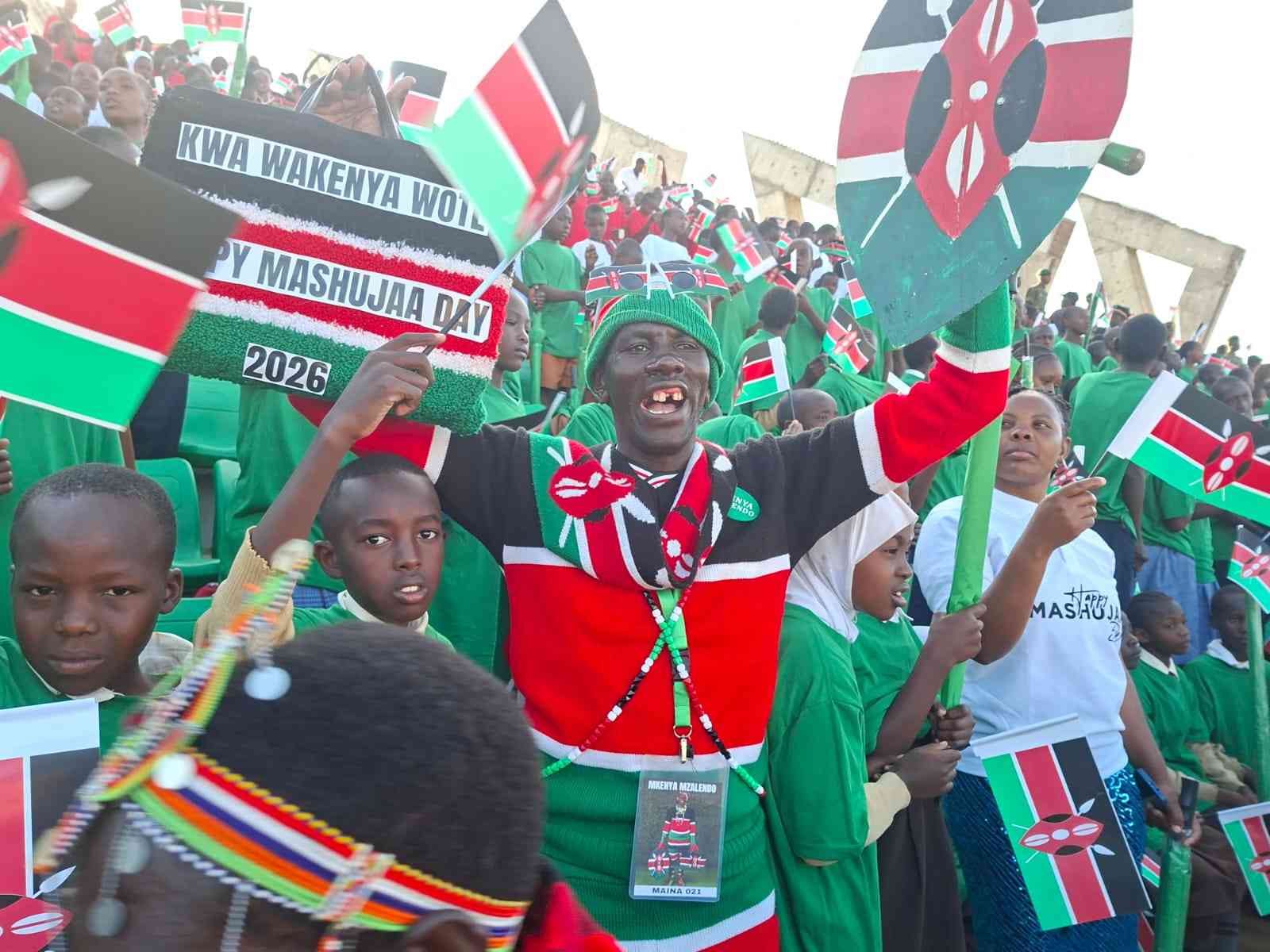
Ruto explained that placements would be made through a transparent, digital and merit-based system, alongside incentives for private employers to offer work experience.
The proposals come as households continue to face pressure from rising prices. Data from the Kenya National Bureau of Statistics showed annual inflation stood at 6.8 per cent in September 2026, with food and non-alcoholic beverage prices rising by 9.5 per cent over the year.
Ruto said the proposed tax relief would leave low-income workers with more money to meet household expenses, including food and transport.
He also announced plans to inject an additional Sh5 billion into the Hustler Fund before the end of 2026. The President noted that more than 10 million Kenyans were regular borrowers under the programme, which had advanced Sh98 billion in loans without collateral.
On employment, Ruto set a three-year target of expanding digital work opportunities to two million, international employment opportunities to one million and jobs linked to housing and related investments to two million.
He reported that the labour mobility programme had already connected 680,000 Kenyans to jobs abroad, while digital jobs initiatives had opened opportunities for 350,000 young people.
The President also cited progress in agriculture, saying maize production had increased from 34.3 million bags in 2022 to 71 million bags last year, while imports fell from 9.9 million bags to 3.3 million bags.
He added that the government had distributed more than 38 million bags of subsidised fertiliser, with the price of a bag falling from Sh7,500 in 2022 to Sh2,000 under the subsidy programme.
In the dairy sector, Ruto reported that national milk production had increased by one billion litres and the price paid to farmers had risen from Sh35 to Sh60 per litre.
Stay informed. Subscribe to our newsletter
From October, he said, farmers would earn Sh65 per litre, with an additional Sh2 per litre bonus paid quarterly.
The President further noted that coffee cherry prices had risen from about Sh70 to between Sh110 and Sh150 per kilogramme, while green tea leaf prices had increased from Sh35 to Sh56 per kilogramme.
Sugar farmers, he added, were now being paid weekly and would receive an additional bonus the following month.
In health, Ruto said the number of people covered under the Social Health Authority had risen to 33.3 million from seven million registered under the former National Hospital Insurance Fund in 2022.
He added that the authority had disbursed Sh107 billion to health facilities since January 1, 2026.
On the economy, the President reported that Kenya’s stock market value had doubled from Sh2 trillion in 2022 to about Sh4 trillion, while foreign direct investment rose from $1.5 billion in 2022 to $3.2 billion in 2025.
He described Kenya as Africa’s seventh-largest economy.
Ruto also announced that the government was targeting the start of oil exports from the Lake Turkana Basin in December, alongside plans to expand infrastructure and industrial investment.
At the same time, Deputy President Kithure Kindiki said Kenya must build on the progress made during its 63 years of independence by focusing on economic empowerment and improving citizens’ livelihoods.
Kindiki observed that the country had made progress in strengthening democratic institutions, expanding civil liberties and recognising social and economic rights, including access to health care and education.
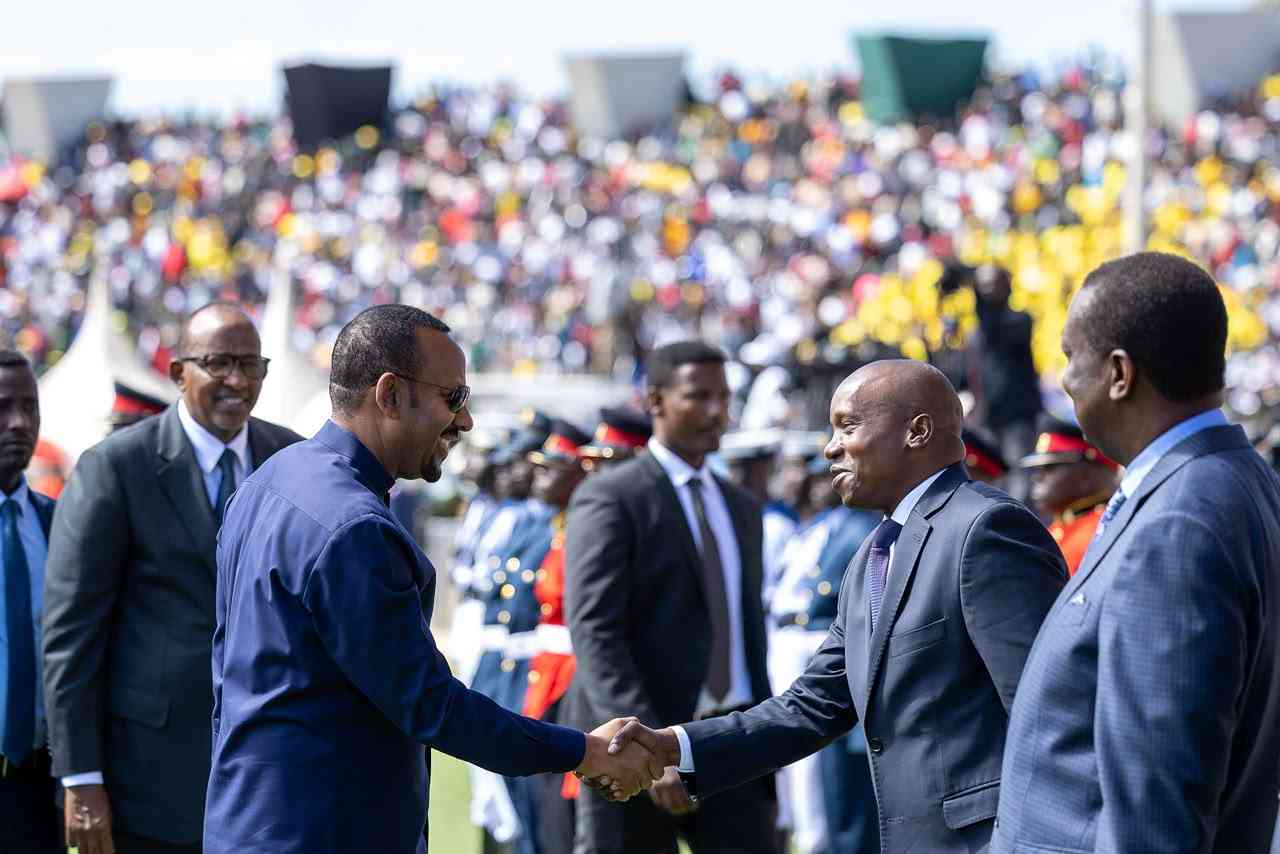
He cited cheaper fertiliser, seeds and artificial insemination services as measures intended to improve agricultural productivity and farmers’ incomes.
He also pointed to developments in the coffee, tea and sugarcane sectors, support for fishing communities and expanded health coverage under the Social Health Authority.
Kindiki called for a renewed focus on economic empowerment to ensure the gains made since independence translated into lasting improvements in living standards.
Subscribe to our newsletter and stay updated on the latest developments and special offers!


 Prefer the Standard on Google




 join