Audio By Vocalize
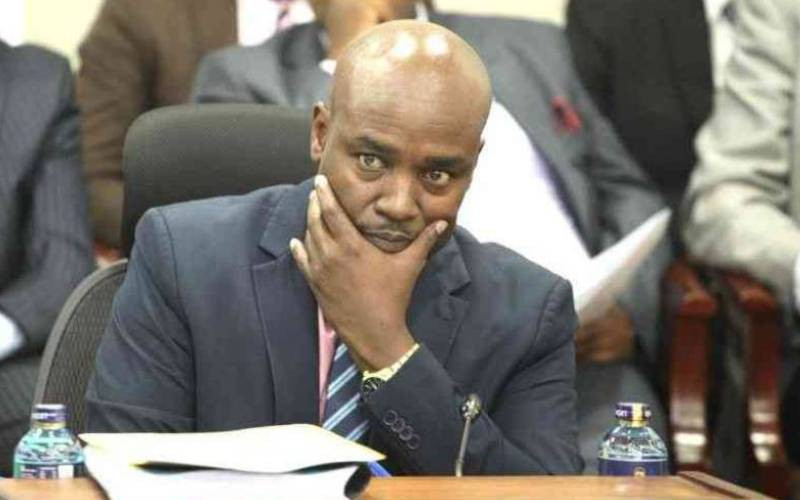
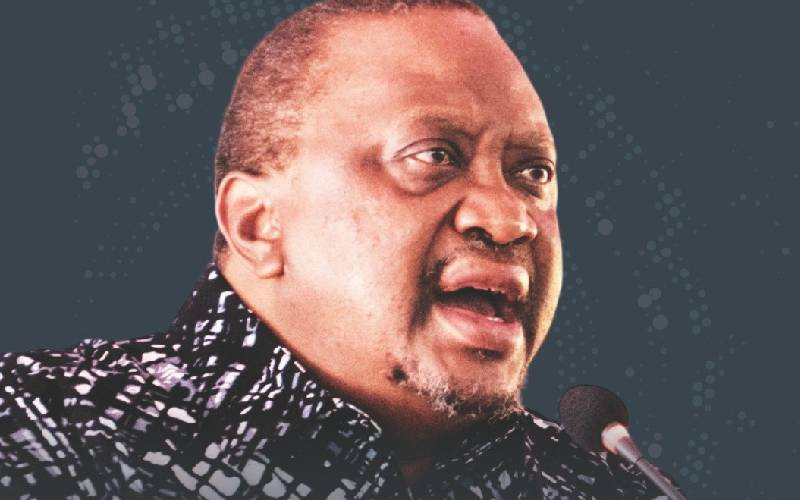
Senior Counsel Charles Kanjama casts his vote during the LSK elections at the Supreme Court in Nairobi on February 19, 2026. [Edward Kiplimo, Standard]
Senior Counsel Charles Kanjama is the 52nd Law Society of Kenya President.
Kanjama beat lawyer Peter Wanyama and outgoing Vice President Mwaura Kabata by more than 1,000 votes margin to clinch the top seat.
Kanjama garnered at least 3,734 votes with Nairobi, Central and Mombasa being his strongholds while Wanyama came in second, dominating Western block with 2,634. In the meantime, Kabata came in third with at least 2,118 votes with his constituents being majorly young advocates.
From the numbers, at least 8,000 advocates cast their votes on Thursday.
Earlier, contestants were seen whipping members to the last minute, including offering transport to anyone who did not have the means to the polling stations.
In their race to succeed Faith Odhiambo, Kabata and Kanjama voted in the morning while Wanyama cast his ballot at about noon.
They exuded confidence that members would show up later in the day, but feared the rains could dampen the spirit. Kabata said around 7,000 to 8000 lawyers were expected to vote.
“The day has started well and lawyers are coming out to vote. It is of course a working day but many others that will come as the day goes by,” added Kanjama, saying all those who would be in the line at 5pm would be allowed to cast their ballots. “The votes count is expected to start at 6pm.”
Senior Counsel Charles Kanjama addresses the Press after being declared winner of the LSK president election on February 19, 2026. [Kanyiri Wahito, Standard]
Wanyama was seen moving around the voting centres, taking time for photos with colleagues.
Independent Electoral and Boundaries Commission (IEBC) Chairman, Ethekon Edung and commissioner Moses Mukhwana, ODM Secretary General Edwin Sifuna, and Wiper Party Leader Kalonzo Musyoka were among notable persons who cast their votes at the Supreme Court polling station.
People’s Liberation Party Leader Martha Karua, Embakasi East MP Babu Owino, his Rarieda counterpart Otiende Amollo, and Machakos and Siaya governors, Mutula Kilonzo Junior and James Orengo, also voted.
Babu cast his vote at Milimani, marking his first time participating in the Bar’s electoral process after his recent admission as an advocate.
Stay informed. Subscribe to our newsletter
He encouraged lawyers to exercise their democratic right, expressing hope that at least 15,000 out of the country’s 18,000 active advocates would participate in choosing their next leaders.
Senior Counsel Martha Karua casts her vote during the LSK elections at the Supreme Court in Nairobi on February 19, 2026. [Edward Kiplimo, Standard]
Others who voted were former Attorney General Githu Muigai, the eldest senior advocate in the country at 88 Rapinder Singh Sehmi, senior lawyers Waweru Gatonye, Fred Ngatia, Mohammed Nyaoga, Ahmednasir Abdullahi, George Oraro, Paul Muite, Kioko Kilukumi, Paul Nyamodi,and Paul Kurgat.
Kalonzo said although the IEBC was not using the Kenya Election Information Management System (Kiems) kits, members had confidence in the exercise.
The opposition leader and Sifuna said the society should remain the true voice of Kenyans, adding that Odhiambo had shown courage during her tenure as the president.
“I urge my learned colleagues to carry forward the courageous example set by Faith Odhiambo, who chose the people over personal gain and declined appointments to honour the public trust placed in her. That is the standard,” said Kalonzo.
The Nairobi Senator added: “The LSK has been one of the most consequential organizations in the fight against impunity and abuse of power in the last two years. I have voted for a new team this morning hoping and praying that they will continue the good work Faith Odhiambo and team have been doing.”
Amollo urged the winning team to sustain the good foundation laid by Odhiambo.
In the meantime, it was not all smooth for all. National Assembly Speaker Moses Wetang’ula and Andrew Musangi were among those who were turned back as their names were not in the Supreme Court register.
It emerged that Musangi had been registered to vote in Nakuru while Wetang’ula’s name could not be traced.
Before the voting day, the contest was not without drama. There were claims that some candidates for various seats had been sponsored by the State and allegations of handouts, while social media battles included anonymized sexual abuse claims.
Kabata was seeking to repeat his boss Odhiambo’s feat, who succeeded Peter Theuri after deputising him, while Wanyama, who was last year’s runner’s up, was banking on a zeal of principled action.
Kanjama, who lost to Nelson Havi in 2020, was hoping to be second time lucky.
The three candidates were crisscrossing the country meeting lawyers in different towns. The battle, just like in the last election cycle, was how to win the support of the junior bar, which had a big say in the election of Odhiambo, and manage the expectations of senior lawyers.
Corruption in the Judiciary and alleged theft of funds at LSK were among the issues in the campaigns.
The race for vice president was an all-women battle between Debra Ajwang, Teresiah Wavinya and Elizabeth Wanjeri.
Anjwang campaigned on a platform of sanity in leadership, strengthening LSK, judicial reforms and anti-sexual abuse policy, while Wavinya, who is a current council member, promised an inclusive leadership and professional accountability.
Wanjeri was promising more opportunities for young advocates, persons with disabilities and a strong bar.
Nairobi LSK representative attracted 10 candidates. However, the battle for the three positions was said to be among Halima Ali Abdullahi, Effie Sheila, Wycklife Oyoo and Muthoni Gachara.