×
App Icon
The Standard e-Paper
Fearless, Trusted News
★★★★ - on Play Store
Download App

Rising cancer diagnoses highlight urgency of early care as Kenya marks world cancer day

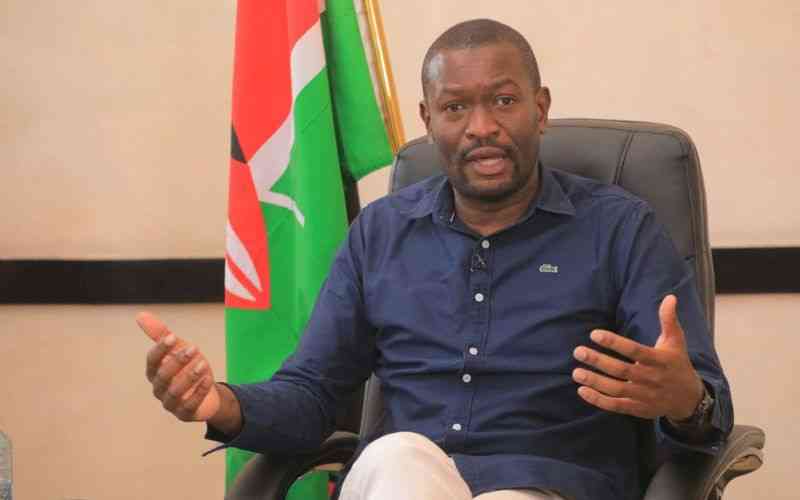
Health PS Ouma Oluga during a visit at Kenyatta National Hospital Oncology centre centre on World cancer day 2026. [Collins Oduor, Standard]

Kenya is grappling with a growing cancer burden, even as improvements in early detection, prevention, and treatment begin to improve survival outcomes.

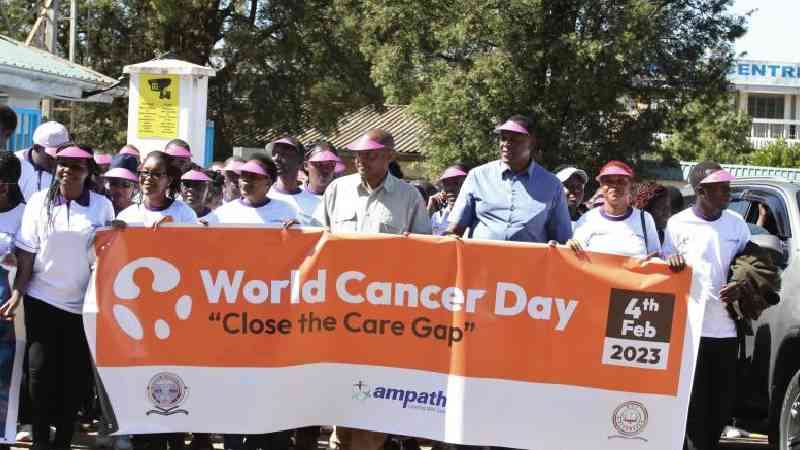
Against this backdrop, the country joined the rest of the world in commemorating World Cancer Day 2026 on February 4, under the theme 'United by Unique', which places people and their lived experiences at the centre of cancer care.

Speaking at Kenyatta National Hospital, Medical Services PS Dr. Oluga Ouma said the country is intensifying efforts to strengthen prevention, early detection, diagnosis, and care for all patients.

 “Early detection and early diagnosis remain critical if we are to improve outcomes and ensure patients have the best possible experience in the care system,” he said.


National statistics show annual cancer diagnoses in Kenya have risen from about 44,000 to nearly 48,000, largely due to expanded screening and improved diagnostic capacity.

Despite this increase, cancer-related deaths have slightly declined from roughly 29,000 to 28,000, reflecting gradual improvements in survival and access to treatment.

The most prevalent cancers in Kenya remain breast, cervical, prostate, colorectal, and oesophageal cancers.

Oluga emphasized that late diagnosis continues to undermine outcomes.

“Although more people are being diagnosed because of better screening, cancer deaths are beginning to reduce, which shows that survival is improving,” he noted.

Prevention has become a central focus of national cancer control efforts. HPV vaccination, aimed at preventing cervical cancer, has been scaled up to reach girls aged 9 to 15 across the country.

“Cervical cancer is one of the cancers we can prevent, yet it continues to affect thousands of women. That is why we are scaling up HPV vaccination so that we can eliminate it,” Oluga said.

He noted that other preventive measures include public awareness campaigns encouraging self-examination, lifestyle interventions, and broader public health programmes, including HIV prevention, which help reduce cancer risk among immunocompromised populations.

Paediatric cancer largely remains a significant concern. Data from Kenyatta University Teaching, Referral and Research Hospital (KUTRRH) shows an estimated 3,200 new cases of cancer are diagnosed among children and adolescents each year.

However, limited access to healthcare and delayed diagnosis mean many cases go unreported, suggesting the true burden may be significantly higher.

It is also noted that cultural beliefs that associate cancer with curses or witchcraft also discourage some families from seeking treatment.

Globally, the situation for children is stark. According to the World Health Organisation (WHO), cancer is a leading cause of death among children and adolescents worldwide.

In high-income countries, more than 80 percent of children diagnosed with cancer survive, while in developing countries such as Kenya, fewer than 30 percent do.

Oluga said this highlights the urgent need for increased access to specialised paediatric oncology care.

The government has invested in expanding paediatric cancer care.

A new outpatient cancer centre at KNH, built for one million dollars and set to be launched soon, will allow children undergoing chemotherapy, radiotherapy, or other treatments to receive care without hospital admission.

 In addition, a 48-room hostel within KNH will provide accommodation for children with cancer and their caregivers.

According to the PS.the Social Health Authority has increased cancer cover from Sh550,000 to Sh800,000 in a bid to improve efficiency.

“Through the Social Health Authority, we have increased cancer cover to ensure that treatment does not push families into poverty,” Oluga said.

Infrastructure development has also been prioritised. Kenya has six public cancer centres and six private centres, including advanced facilities at KNH and Moi Teaching and Referral Hospital.

“The Ministry of Health has deployed mammograms in over 84 public hospitals and expanded laboratory diagnostic services, including endoscopies and specialised screening for colorectal cancers, to enable early detection,’’ he stated.

Kenyans have been urged to prioritise prevention and timely access to care as a way of taming down cancer deaths.

“To every cancer patient, we are with you, and we will do everything possible to make your experience better,” he said.

Health experts say sustained investment in prevention, early diagnosis, treatment, and psychosocial support is essential to narrowing survival gaps, particularly for children, and ensuring no patient is left behind.