×

The Standard e-Paper
Join Thousands Daily
 The Standard Group Plc is a
multi-media organization with investments in media platforms spanning newspaper
print operations, television, radio broadcasting, digital and online services. The
Standard Group is recognized as a leading multi-media house in Kenya with a key
influence in matters of national and international interest.
The Standard Group Plc is a
multi-media organization with investments in media platforms spanning newspaper
print operations, television, radio broadcasting, digital and online services. The
Standard Group is recognized as a leading multi-media house in Kenya with a key
influence in matters of national and international interest.

Audio By Vocalize

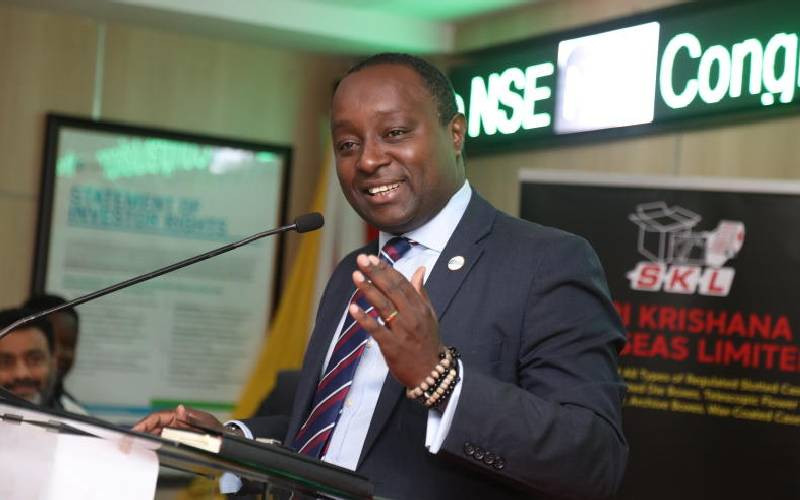
Although freelancing offers freedom and flexibility, it also comes with irregular income. Without the predictability of a monthly salary, financial literacy expert Patrick Wameyo says independent workers must manage their money differently, through financial discipline, thoughtful planning and a strong savings culture.
One of the first financial habits that freelancers need to develop is learning how to manage an irregular income. According to Patrick, freelancers cannot manage their finances in the same way as someone earning a fixed monthly salary. Instead, they must plan their spending around the unpredictable timing and amount of payments received.
He explains that, since income can come in large amounts at once and then disappear for months, freelancers should build reserves and shop strategically. Buying in bulk for several months, especially from wholesalers where possible, can help make money go further.
“Freelancers need to plan purchases that can sustain a household for three to four months, depending on how frequently work payments arrive,” he says.
However, he notes that when people stock up on items for this long, there is a likelihood of their misuse.
“Everyone in the household must understand the need for budgeting. Controlling consumption is just as important as earning the money in the first place,” he says.
Creating stability despite fluctuating income also depends on lifestyle choices. Drawing from 17 years of experience as a freelancer, Patrick explains that it is possible to live on less than what one earns by prioritising value for money. He states that how you buy is more important than what you buy, since buying the right quantity at the right price can sustain a household for several months.
Budgeting for freelancers is not different from budgeting for salaried workers, though the spending patterns can vary.
“What matters most is building a pool of money that can act as an emergency fund. This financial cushion ensures that essential needs are covered even when work slows down,” he says.
Freelancers must also accept that they do not always have the convenience of paying bills monthly. Instead, they need to anticipate upcoming expenses and ensure important obligations are covered early. He observes that by covering important costs before they become urgent, freelancers avoid overlapping financial pressures.
When it comes to savings, unlike employees who receive a monthly salary, freelancers receive large payments at once. Patrick recommends spreading that income to cover several months.
“Savings should happen immediately after payment is received; therefore, setting aside a portion before spending ensures that saving becomes a habit,” he says.
How much freelancers should save depends on life circumstances, he says. Those with lighter responsibilities can aim to save up to 50 per cent of their income, while married freelancers without children might save around 30 per cent. Those married with children may realistically set aside about 15 per cent.
Separating personal and business finances is another area where many freelancers struggle. Without clear boundaries, it becomes difficult to track earnings and manage taxes. He advises freelancers to have different accounts for business income, personal spending, investments, and savings.
“If money is earned through business activities, it should first go into a business account. Any personal spending should then be transferred into a personal account,” he says.
Stay informed. Subscribe to our newsletter
The other aspect of freelance financial planning is to rely on emergency savings and careful spending habits to navigate times of work gaps. Stretching money by buying essential items that last longer can help reduce financial pressure during months that offer no jobs.
With taxes, Patrick observes that independent workers have tax advantages compared to salaried employees, but only if they understand how the system works. He recommends consulting a tax professional to ensure compliance and to take advantage of available tax benefits.
Long-term financial security for freelancers should be a priority; even with unpredictable income, he encourages planning for retirement.
In addition to retirement planning, freelancers should prioritise methods of financial protection such as health insurance, education insurance, and pension contributions.
Reinvesting in their work is needed for sustainability. Whether it is upgrading equipment or improving skills, these decisions help generate more income in the future.
For those considering leaving employment to freelance, prepare for a transition since there may be times when little or no income is generated.
“Actively seek opportunities early to ensure that new income streams start to flow before savings run out,” he says.
Subscribe to our newsletter and stay updated on the latest developments and special offers!










 join
join