×
App Icon
The Standard e-Paper
Kenya's Bold Newspaper
★★★★ - on Play Store
Download Now

Pimple popping: How to break the tiny habit causing big trouble

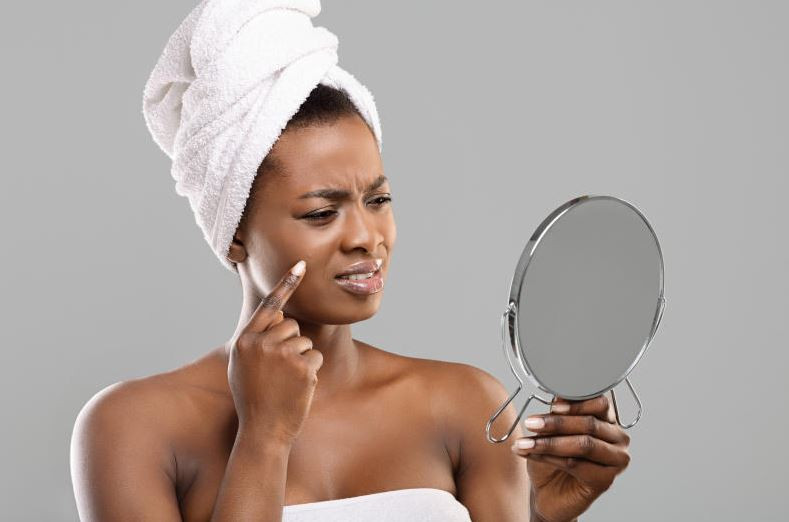
Woman upset about pimple on her cheek. [Courtesy/GettyImages]

When you notice a small bump on your face, a swollen pore or a tiny protrusion, the impulse to squeeze it can feel almost automatic. Many people do not know how to look at a pimple without touching it.

Some breakouts come from hormones. Others come from irritation, clogged pores or reactions to products. For those who deal with one or two pimples at a time, the temptation to pop often becomes the reason scars form.

Many people do not have access to elaborate skincare routines or expensive products. The question then becomes what someone can realistically do at home to avoid damaging their skin.

According to the National Centre for Biotechnology Information, acne is among the most common skin conditions globally, especially for adolescents and young adults. Mild acne can still leave marks when repeatedly picked.


Complications from constant picking include hyperpigmentation, deeper scars, prolonged inflammation and in some cases bacterial infections. Although pimple popping does not cause conditions like skin cancer, repeated injury weakens the skin barrier and can lead to other problems, including slow‑healing sores that may resemble small skin ulcers.

Research published on PubMed Central notes that picking or squeezing increases the risk of inflammation, infection and deeper scarring. The damage is often slow and cumulative. Someone may not notice it immediately, only to realise later that the forehead or chin has become darker than the rest of the face, or that scars are starting to form.

Healthy skin care does not have to rely on costly products. A simple routine, clean hands, fewer impulses and informed choices can make a noticeable difference.

Here are seven practical tips for anyone who struggles with pimple popping:

  1. Wash your face gently and consistently. Use a mild cleanser and lukewarm water once or twice daily. This removes oil, dirt and sweat that clog pores.
  2. Keep your hands away from your face
    Touching or squeezing often pushes bacteria deeper into the skin.
  3. Use simple spot treatments when necessary
    Products containing salicylic acid or benzoyl peroxide can help unclog pores and calm inflammation. These are accessible and safe when used correctly.
  4. Moisturise and protect the skin from sunlight
    Choose a light moisturiser that does not clog pores. Sun exposure worsens dark marks.
  5. Replace the picking habit with another action
    Pimple popping is often a reflex. Try using a cool cloth, keeping your hands busy or stepping away from the mirror for a moment. These small interruptions help break the cycle over time.
  6. Seek medical help when necessary
    According to dermatological studies, early consultation reduces the risk of long term scarring.
  7. Be patient with the healing process

Improvement takes time.