×

The Standard e-Paper
Stay Informed, Even Offline
 The Standard Group Plc is a
multi-media organization with investments in media platforms spanning newspaper
print operations, television, radio broadcasting, digital and online services. The
Standard Group is recognized as a leading multi-media house in Kenya with a key
influence in matters of national and international interest.
The Standard Group Plc is a
multi-media organization with investments in media platforms spanning newspaper
print operations, television, radio broadcasting, digital and online services. The
Standard Group is recognized as a leading multi-media house in Kenya with a key
influence in matters of national and international interest.

Audio By Vocalize

Governments are increasingly shifting their counterterrorism strategies from banning organisations and targeting individuals to dismantling the financial networks that sustain their operations.
The approach reflects a growing focus on disrupting funding streams, cross-border fundraising, charitable fronts and financial channels used to facilitate the activities of transnational organisations.
The shift follows recent sanctions imposed by the United States on senior Muslim Brotherhood figure Mahmoud Al Abyari, targeting what US authorities describe as a financial network allegedly reliant on cross-border fundraising, charitable fronts and opaque banking channels used to move funds across several jurisdictions.
Rather than focusing solely on an individual, the sanctions seek to disrupt the financial infrastructure that allegedly supports the organisation's activities across multiple countries.
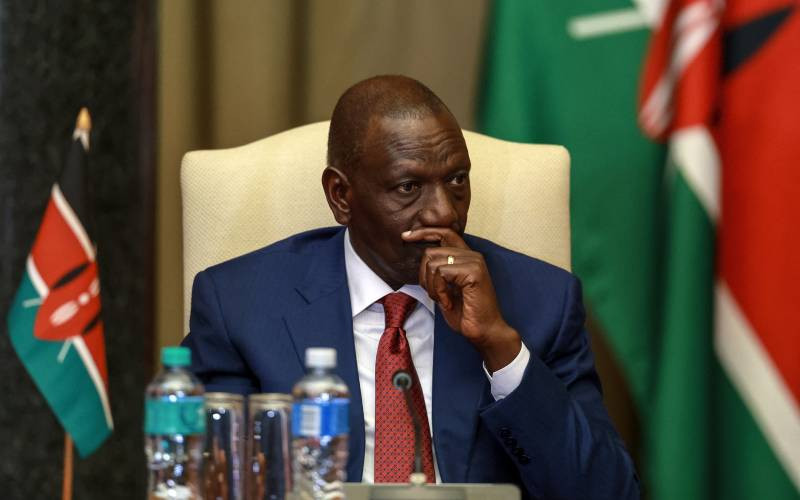
Kenya has also adopted a broader legislative approach after outlawing the Muslim Brotherhood under the Terrorism Prevention Order, 2025.
The legislation criminalises membership in the organisation, financial support, fundraising and the promotion of its activities. It also grants security authorities the power to freeze assets, prohibit meetings, prosecute those associated with the organisation and dismantle financial and logistical networks linked to it.
According to the framework, the objective extends beyond banning an organisation's public activities to targeting the financial and operational structures that enable its activities.
The measures taken by Kenya and the United States reflect what has been described as a complementary approach to addressing transnational networks. While the United States has focused on senior leadership and cross-border financial structures, Kenya's legislative framework targets domestic recruitment, fundraising, meetings and logistical support networks.
The developments are expected to have wider implications for financial transactions across Africa following warnings by the US Department of the Treasury to international financial institutions against conducting business with individuals and entities placed under sanctions.
The warning increases the risks associated with transactions involving sanctioned persons or entities through the international financial system, particularly those denominated in US dollars, exposing them to possible asset freezes or secondary sanctions.
At the same time, tighter scrutiny of formal financial channels could encourage some networks to seek alternative methods of moving funds through informal financial mechanisms or by establishing new charitable organisations under different names.
Kenya's law seeks to address that possibility by granting security agencies powers to dismantle financial and logistical networks before they can reorganise or reconstitute themselves.
Taken together, these recent developments signal an evolving counterterrorism strategy that places greater emphasis on disrupting financial lifelines rather than relying solely on banning organisations or targeting individual operatives.
Subscribe to our newsletter and stay updated on the latest developments and special offers!


 Prefer the Standard on Google








 join
join