×

The Standard e-Paper
Smart Minds Choose Us
 The Standard Group Plc is a
multi-media organization with investments in media platforms spanning newspaper
print operations, television, radio broadcasting, digital and online services. The
Standard Group is recognized as a leading multi-media house in Kenya with a key
influence in matters of national and international interest.

Audio By Vocalize
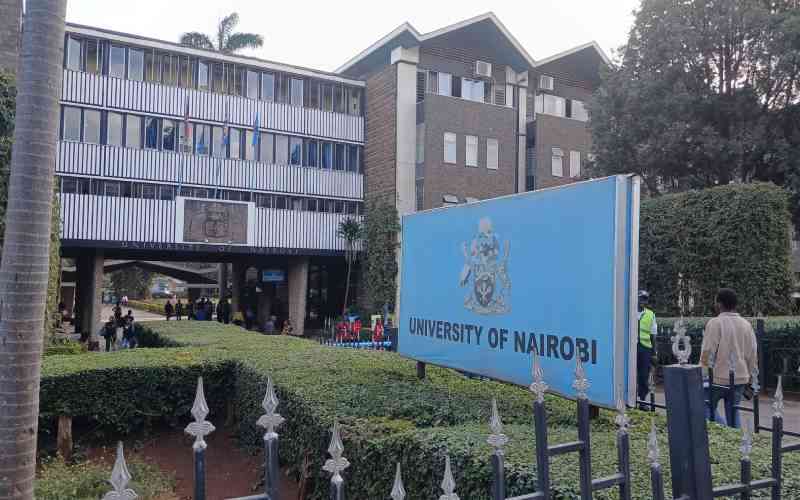
Thousands of students in public universities return to lecture halls on Monday, November 2, 2026, following the end of a four-week nationwide lecturers’ strike, but face the prospect of compressed semesters, heavier academic workloads and possible changes to examination schedules.
Students at Kibabii University, Multimedia University of Kenya, the University of Eldoret, Jomo Kenyatta University of Agriculture and Technology (JKUAT) and other public institutions will have to contend with an academic calendar disrupted by the industrial action, which stalled teaching, learning and research from October 2.
While the resumption brings relief to students who have spent four weeks away from normal academic activities, attention is now shifting to how universities will recover the lost teaching time without compromising educational standards.
The strike was called off on Friday, October 30, after the Universities Academic Staff Union (UASU), Kenya Universities Staff Union (KUSU) and Kenya Universities Workers (KUDHEIHA) signed a return-to-work agreement with the government, ending a dispute over the implementation of the 2025–2029 Collective Bargaining Agreement (CBA).
The agreement is backed by a Sh20 billion funding package, which provides for a 3.5 per cent annual increase in basic salaries over four years, effective July 5, 2025, alongside a five per cent automatic salary increment.
Although the agreement has restored industrial harmony, students must now contend with the academic and financial consequences of the disruption.
At the University of Eldoret, Acting Registrar Academic Dr Hoseah Kiplagat notified students of the resumption through an official communication, directing them to report for lectures on Monday.
“This is to inform all students that teaching and learning activities will officially resume on November 2, following the successful conclusion of industrial action by university staff,” stated the letter.
The university urged students to adhere strictly to the published teaching timetable and actively participate in all scheduled academic activities.
It further indicated that the Senate would communicate any necessary adjustments to the academic calendar arising from the interruption.
Similar arrangements are expected across public universities, with managements reviewing academic schedules to accommodate the lost four weeks. Possible interventions include intensive teaching programmes, extended semesters and adjustments to examination dates.
For students like John Kyalo, a student at University of Nairobi, however, the prospect of recovering four weeks of learning within an already demanding semester presents considerable challenges.
“Compressed programmes could translate into longer lecture hours, overlapping assignment deadlines, reduced consultation time with lecturers and limited opportunities for personal revision,” he said.
Students taking courses involving laboratory experiments, fieldwork, studio sessions and supervised research could face additional difficulties if practical components are squeezed into shorter periods.
There are also concerns that rushing through the syllabus could affect students' understanding of complex subjects and leave them inadequately prepared for examinations.
Stay informed. Subscribe to our newsletter
The strike has imposed financial pressure on students and their families with many students who remained in university towns during the disruption continuing to pay for upkeep and rent.
An extended semester could mean additional accommodation and upkeep costs, placing further pressure on parents and guardians already grappling with the rising cost of living.
National Parents Association chairman Silas Obuhatsa said that although lecturers had secured their demands, students remained the biggest losers in the industrial dispute.
“The return of university lecturers to classrooms after a four-week strike should be welcomed, but it must not be mistaken for a victory for higher education,” said Obuhatsa.
He argued that thousands of students had suffered financial, emotional and academic setbacks over a dispute they neither initiated nor controlled.
Obuhatsa warned that compressing the semester could undermine the quality of education by forcing universities to squeeze lectures, assignments, practical sessions and examinations into shortened periods.
“Quality education requires adequate time for teaching, research, consultation, practical work and revision. Cramming an entire semester's workload into a few weeks risks producing exhausted students, superficial learning and compromised academic standards,” he said.
He urged university administrations to resist sacrificing academic quality in the rush to restore the calendar, calling for realistic recovery timetables, consultation with student representatives and adequate time for coursework and examinations.
He also questioned who would take responsibility for the additional financial costs incurred by students and families during the disruption, arguing that the government, university councils and unions must recognise learners as key stakeholders in industrial negotiations.
UASU Secretary-General Dr Constantine Wasonga apologised to students for the disruption, assuring them that lecturers were ready to resume teaching.
“We want to apologise to students. Kindly bear with us. And we want you to learn and complete your degrees. We have now achieved the objectives of our strike. The strike is over. Prepare to go to class,” Wasonga said.
Principal Secretary for Higher Education Dr Beatrice Inyangala welcomed the return-to-work agreement, saying it would restore industrial harmony and improve university staff welfare.
She said university management would work with staff and students to develop revised academic schedules and recover the lost learning time.
“With the dispute now resolved, all university staff are expected to resume their duties immediately to facilitate the restoration of academic activities,” she said.
Subscribe to our newsletter and stay updated on the latest developments and special offers!


 Prefer the Standard on Google