×

The Standard e-Paper
Stay Informed, Even Offline
 The Standard Group Plc is a
multi-media organization with investments in media platforms spanning newspaper
print operations, television, radio broadcasting, digital and online services. The
Standard Group is recognized as a leading multi-media house in Kenya with a key
influence in matters of national and international interest.
The Standard Group Plc is a
multi-media organization with investments in media platforms spanning newspaper
print operations, television, radio broadcasting, digital and online services. The
Standard Group is recognized as a leading multi-media house in Kenya with a key
influence in matters of national and international interest.

Audio By Vocalize
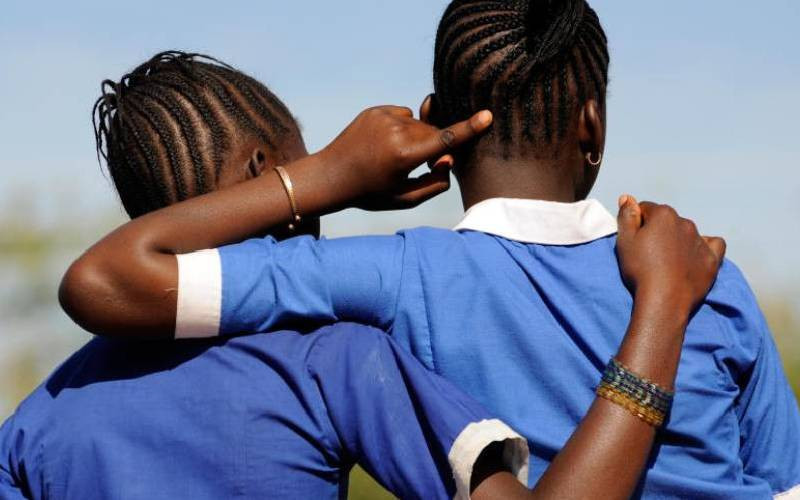
In Samburu County, many girls face challenges that prevent them from attending school or participating regularly in child-friendly spaces due to barriers and stigma encountered during their menstrual cycle.
The 2020 World Bank Group report revealed that 57 per cent of adolescent girls stay at home during menstruation because of the lack of private changing rooms at school.
However, awareness sessions on menstrual hygiene management for girls, which address cultural and traditional norms, along with the distribution of hygiene kits by the Samburu Girls Foundation, have supported adolescent girls in Samburu schools and communities.
This marks a turning point for most girls and women of reproductive age, as the foundation has begun to assist them in overcoming these barriers.
Under the leadership of Dr Josephine Kulea, the foundation launched the dignity kits programme, which has so far reached 1,800 vulnerable adolescent schoolgirls, including women of reproductive age, enabling them to attend classes with dignity.
During the launch of the School Dignity Kits and Career Empowerment in Samburu County this week, Dr Kulea stated that distributing dignity kits to girls and women of reproductive age aimed to improve their well-being and uphold their self-esteem and confidence in challenging times.
“The initiative is designed to empower schoolgirls, especially Form 4 candidates, by promoting mental wellness, personal hygiene through dignity kits, and career guidance, equipping them with the knowledge, confidence, and hope they need as they prepare for life beyond secondary school,” she said.
As a result of the programme, many girls have promised to attend school more regularly because they now have access to sanitary products, and some have expressed relief at no longer needing to use cloth for menstrual hygiene.
Lucy Nanyu, a 15-year-old Grade 10 student at Lodokejek Mixed Secondary, dreams of becoming a news anchor and believes the dignity kit will help her attend school every day with confidence.
She feels her dream of becoming a television news anchor is within reach. Another girl, Janet Lenolkulal, also aged 15, aspires to be a bank teller.
Currently in tenth grade and excelling in mathematics, Janet shares the struggles faced by many girls in her community.
“Girls without parents or those living with relatives find it difficult to go to school during their periods because they cannot buy pads,” she said.
Janet adds that “It’s hard for us who stay with guardians to find the basic hygiene items we need to stay clean. This month, my aunty will not struggle to buy pads, soap, underwear, or lotion for me. I am excited to receive this bag from Joining Forces.”
Kulea believes the dignity kits will give more vulnerable girls the confidence and control they need to manage their hygiene.
Stay informed. Subscribe to our newsletter
“This will encourage more girls to stay in school and continue their studies. I appeal to Joining Forces to keep supporting us with these kits,” she added.
The initiative, launched in Lodokejek Ward, will benefit girls at Lodokejek Secondary School, Kirimon Secondary School, and Kisima Secondary School.
Kulea said her foundation plans to be more involved in evaluating the state of secondary education in Samburu County to ensure it remains in prime condition to keep girls in classrooms.
After launching and distributing the kits at Lodokejek Secondary School, Kulea and her team visited Kirimon Secondary School and Kisima Secondary School, where they also distributed the kits and held guidance and counselling sessions to encourage learners to stay focused on their education.
Many girls promised to attend school more regularly after gaining access to sanitary products, and some expressed relief at no longer needing to use cloth for menstrual hygiene.
Distributing dignity kits is an effective way to promote gender equality and empowerment. For adolescent girls and women in the remote areas of Samburu County, access to basic water and sanitation services can be transformative.
“A lack of access to these resources can often leave girls and women feeling embarrassed, ashamed and vulnerable due to the lack of basic hygiene, health, and dignity,” Kulea observed.
The social stigma associated with the absence of these resources can leave girls increasingly isolated in their communities and hinder their full potential.
Subscribe to our newsletter and stay updated on the latest developments and special offers!


 Prefer the Standard on Google