×

The Standard e-Paper
Stay Informed, Even Offline
 The Standard Group Plc is a
multi-media organization with investments in media platforms spanning newspaper
print operations, television, radio broadcasting, digital and online services. The
Standard Group is recognized as a leading multi-media house in Kenya with a key
influence in matters of national and international interest.
The Standard Group Plc is a
multi-media organization with investments in media platforms spanning newspaper
print operations, television, radio broadcasting, digital and online services. The
Standard Group is recognized as a leading multi-media house in Kenya with a key
influence in matters of national and international interest.

Audio By Vocalize

Basic Education PS, Prof Julius Bitok, before the Public Accounts Committee at Bunge Towers, Parliament, Nairobi, April 22, 2026. [Elvis Ogina, Standard]
While appearing before the National Assembly's Public Accounts Committee on Wednesday this week, Education PS Julius Bitok admitted that the Ministry is struggling financially.
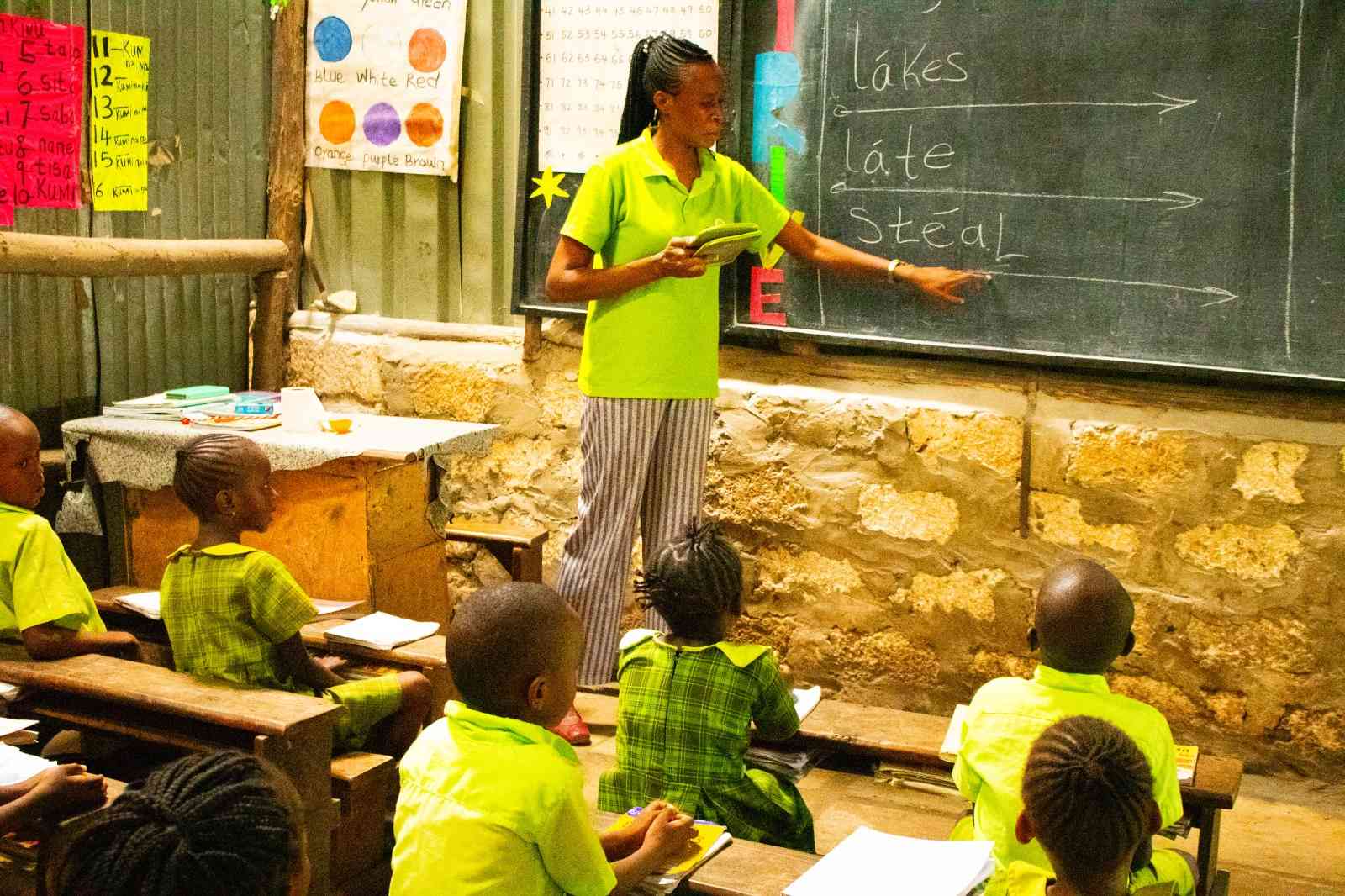
Capitation has decreased from Sh22,000 to Sh15,000 per student. To make it worse, disbursement of the money is often delayed and erratic. According to Bitok, Parliament carries the blame.
However, this view was disputed by Lugari MP Nabii Nabwera, who blamed the ministry's woes on failure to lobby for additional funds. And therein lies the rub. Lobbying is the preserve of interest groups, corporations, and individuals seeking favours from the government. It is the tool of the pharmaceutical company angling for a lucrative tender, the NGO pushing a niche agenda, or the businessman seeking regulatory relief.
Lobbying should never be the means through which a government ministry funds the education of children. To suggest otherwise is to fundamentally misunderstand how public finance is supposed to work, and to normalise dysfunction that has cost Kenyan schoolchildren dearly.
Capitation, meant to underwrite free education, has haemorrhaged nearly a third of its value, from Sh22,000 to Sh15,000 per student. A Special Audit covering 2020 to 2024 reveals cumulative underfunding of Sh76.9 billion, which reflects years of deliberate budgetary neglect. Meanwhile, Parliament has been able to easily find billions for the hospitality budgets of the President's and Deputy President's offices.
This is where Nabwera's argument collapses under its own weight. He pointed to the military and the Ministry of Agriculture as examples of successful lobbying. What does that say about our national priorities when the instruments of war and the politics of food subsidies outmanoeuvre the education of children in budget negotiations? It says that we have constructed a Parliament that responds to pressure, not principle or needs.
Bitok is justified in pushing back. Parliament controls the purse and approves allocations. If extra billions flow to State House hospitality while classrooms go underfunded, that is a political choice that Parliament must own.
The National Education Management Information System exists for a purpose, which is to give the government a precise, real-time count of enrolled learners. NEMIS exists so that the state doesn't plead ignorance about how many children need funding. The data is there, but political goodwill is missing.
To their credit, some MPs acknowledged that it was wrong and a great disservice to Kenyan children to continue spending huge sums of money everywhere else but on education and promised to put pressure on the National Treasury. That is the way to go. As Teso South MP Mary Emase put it, the government must stop living a lie.
It is unfortunate that the country preaches free education while forcing parents to quietly fill the gaps left by the Treasury's neglect. The government must restore the capitation to Sh22,000, fund it fully, and disburse it on time. Anything less is tantamount to a broken promise to the children.
Subscribe to our newsletter and stay updated on the latest developments and special offers!


 Prefer the Standard on Google






 join
join