×

The Standard e-Paper
Join Thousands Daily
 The Standard Group Plc is a
multi-media organization with investments in media platforms spanning newspaper
print operations, television, radio broadcasting, digital and online services. The
Standard Group is recognized as a leading multi-media house in Kenya with a key
influence in matters of national and international interest.
The Standard Group Plc is a
multi-media organization with investments in media platforms spanning newspaper
print operations, television, radio broadcasting, digital and online services. The
Standard Group is recognized as a leading multi-media house in Kenya with a key
influence in matters of national and international interest.
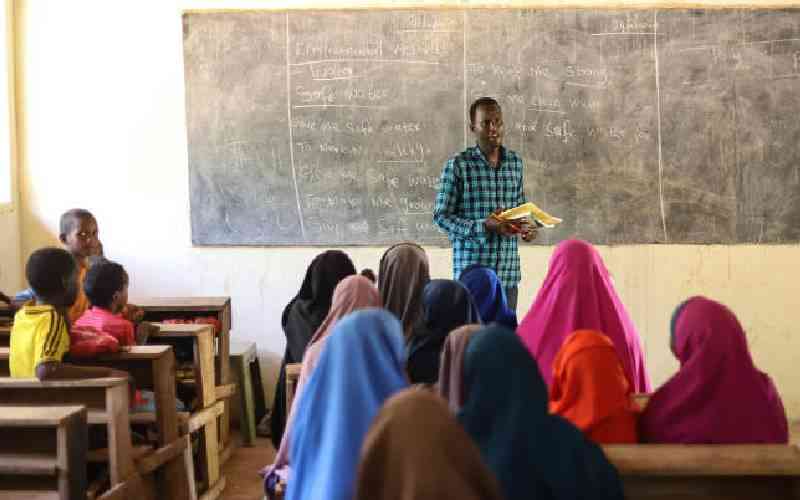
As the African Union (AU) sets its gaze on the 2024 theme, 'Educate an African fit for the 21st Century: Building resilient education systems for increased access to inclusive, lifelong, quality, and relevant learning in Africa', it becomes imperative to underscore the significance of refugee education within this broader framework. In a world grappling with multifaceted challenges, including record-high numbers of forced displacement, refugee education stands as a pivotal aspect of ensuring inclusive and sustainable development across the African continent, which hosts around 30 million displaced persons, according to UNHCR, the UN Refugee Agency.
Education serves as the cornerstone of empowerment, fostering resilience, and nurturing potential. However, amidst conflicts, natural disasters, and political instability, millions of individuals find themselves displaced, seeking refuge within and beyond African borders. For these individuals, education represents more than just an academic pursuit; it embodies hope, dignity, and a pathway towards rebuilding shattered lives. Education is also a human right, enshrined in the Universal Declaration of Human Rights.
Subscribe to our newsletter and stay updated on the latest developments and special offers!

 Prefer the Standard on Google







 join
join