×

The Standard e-Paper
Stay Informed, Even Offline
 The Standard Group Plc is a
multi-media organization with investments in media platforms spanning newspaper
print operations, television, radio broadcasting, digital and online services. The
Standard Group is recognized as a leading multi-media house in Kenya with a key
influence in matters of national and international interest.
The Standard Group Plc is a
multi-media organization with investments in media platforms spanning newspaper
print operations, television, radio broadcasting, digital and online services. The
Standard Group is recognized as a leading multi-media house in Kenya with a key
influence in matters of national and international interest.
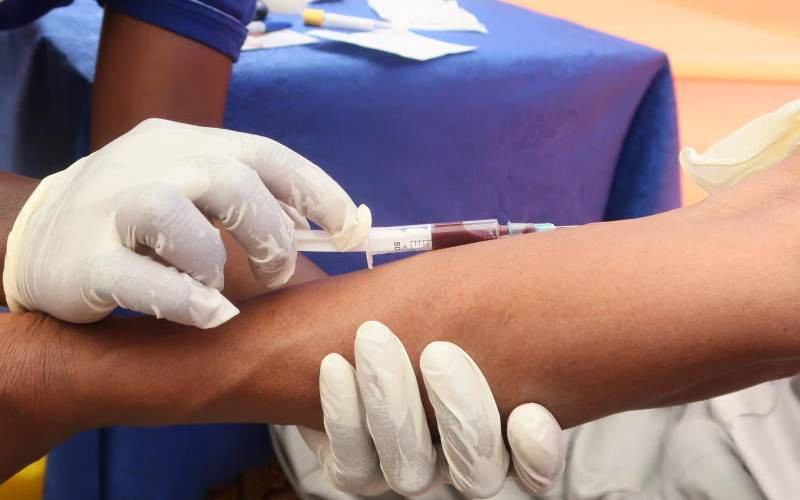
I remember vividly the first time I came face to face with the magnitude of the ravaging HIV epidemic in Kenya. It was inn 2001 and I was a first-year medical student making my first foray into the medical wards at Moi Teaching and Referral Hospital. The last cubicle was not for the faint-hearted. Majority of the patients there had what was then known as full blown Aids. It was heart-wrenching to see first-hand the pain and suffering caused by HIV. In those days, lifesaving anti-retroviral medications were not readily available. They were too expensive. People Living with HIV (PLHIV) would be diagnosed and placed on septrin and literally wait to die. Millions lost their lives.
2003 marked a watershed moment in the fight against HIV. President George W. Bush established the US President's Emergency Plan for Aids Relief (Pepfar). Over the next 20 years, the US government invested 8 billion dollars in Kenya. Pepfar working in partnership with the Government of Kenya has saved thousands of lives through supporting life-saving antiretroviral treatment (ART) for nearly 1.3 million men, women and children.

Subscribe to our newsletter and stay updated on the latest developments and special offers!









 join
join