×

The Standard e-Paper
Fearless, Trusted News
 The Standard Group Plc is a
multi-media organization with investments in media platforms spanning newspaper
print operations, television, radio broadcasting, digital and online services. The
Standard Group is recognized as a leading multi-media house in Kenya with a key
influence in matters of national and international interest.
The Standard Group Plc is a
multi-media organization with investments in media platforms spanning newspaper
print operations, television, radio broadcasting, digital and online services. The
Standard Group is recognized as a leading multi-media house in Kenya with a key
influence in matters of national and international interest.
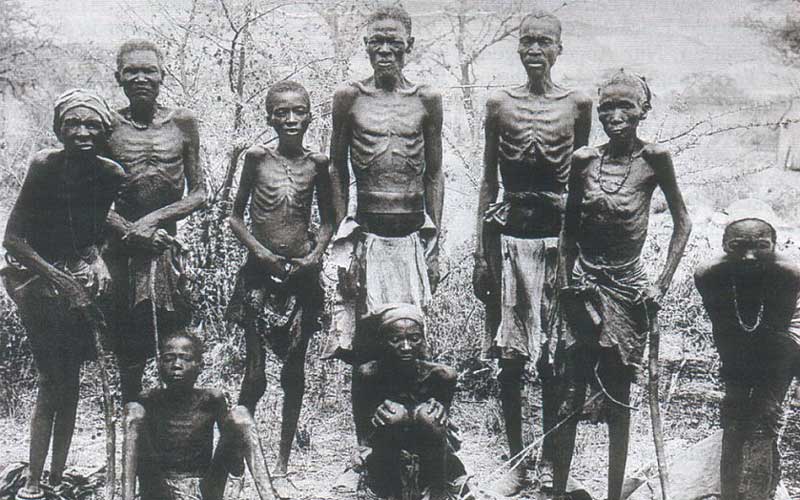
Genocide, defined as the “deliberate killing of a large group of people, especially those of a particular ethnic group or nation,” is the most heinous crime known to humankind. There can be no defense for genocide. In March, I spent a week in Namibia pushing for justice for the 1904-08 genocide of the Herero and the Nama peoples by Germany. Although that holocaust was committed 115 years ago, I was struck by how present and painful it was among the Herero and the Nama, and how absent it was among German-Namibians. In my view, full accountability for that genocide – the first of the 20th century – is only possible when Germans see the Herero and the Nama as their equals.
Namibia, like most African post-colonial states, was born out of the rape of Africa by Europe. In 1884, as part of the Scramble for Africa, Germany took over the territory of what is Namibia today. White South Africans defeated the Germans in 1915 and in 1920 – after the First World War – the League of Nations “gave” South West Africa (later known as Namibia) to the UK under the administration of South Africa. From 1948, South Africa applied apartheid laws to Namibia until it gained independence under the South West African Peoples Organisation (Swapo) in 1990. Half the population is the Bantu-speaking Ovambo with Herero, Nama, Damara, Himba, several white European ethnicities, and the Chinese as minorities. The Ovambo dominate Swapo.
Subscribe to our newsletter and stay updated on the latest developments and special offers!


 Prefer the Standard on Google






 join
join