×

The Standard e-Paper
Kenya’s Boldest Voice
 The Standard Group Plc is a
multi-media organization with investments in media platforms spanning newspaper
print operations, television, radio broadcasting, digital and online services. The
Standard Group is recognized as a leading multi-media house in Kenya with a key
influence in matters of national and international interest.
The Standard Group Plc is a
multi-media organization with investments in media platforms spanning newspaper
print operations, television, radio broadcasting, digital and online services. The
Standard Group is recognized as a leading multi-media house in Kenya with a key
influence in matters of national and international interest.
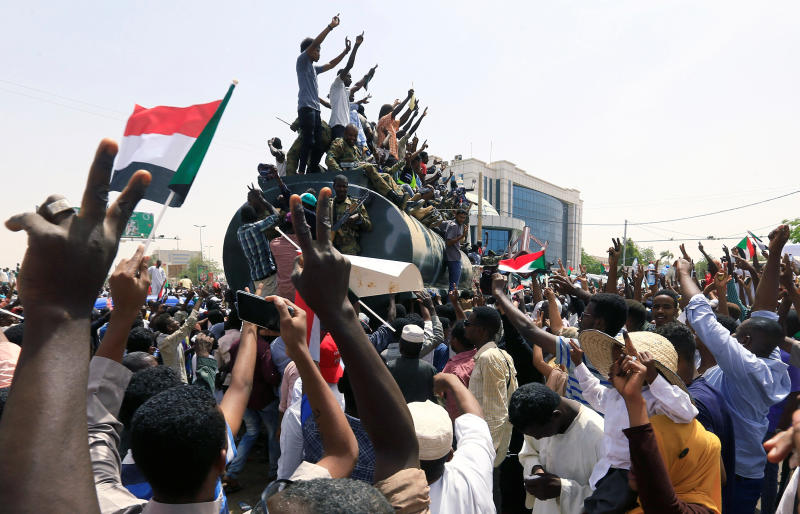
Whatever is of the nature to arise, all that is of the nature to fall; so goes an old adage and so has the 30-year dictatorship of Omar al-Bashir fallen in Sudan.
There were great rulers of the old but they are no more and this is a reminder that power ends.
From the Great Roman Empire under Augustus to Adolf Hitler of Nazis Germany and the rise of African strongmen like Muammar Gadhafi of Libya, and Robert Mugabe Zimbabwe, history attests to the rise and fall of the greats.
They all came, ruled and exited the stage some of them by force due to their failures. Bashir of Sudan has been in power over the past 30 years and his rule has ended in Khartoum this month.
One wonders why a leader who rose to power as a reformist like al-Bashir should choose to overstay the welcome until he is forced out by the masses.
Three things spelt doom for Bashir’s reign. The first one is the oppressive Arabic regime set up by Bashir to subjugate Southern Sudan until its secession in 2011. The atrocities committed in Darfur and Nuba Mountains under President Bashir remain an issue of global concern with Bashir facing charges of crimes against humanity at the International Criminal Court at The Hague.
Bashir is accused of perpetuating discrimination and marginalising South Sudan and as the President who elevated Arabs above blacks in every way and sector in Sudan.
His National Congress Party that has been in power for 30 years committed crimes mainly against the black Sudanese creating a huge chasm between the Sudanese of Arabic descent and those of African descent.
This marked the beginning of an end to the Bashir kingdom that had been the biggest across Africa post-independence.
The emergence of South Sudan weakened the Khartoum-led government as it did not only cut access to oil. It also took with it land and people dealing a great dent on the economy of Sudan.
Subscribe to our newsletter and stay updated on the latest developments and special offers!


 Prefer the Standard on Google





 join
join