×

The Standard e-Paper
Fearless, Trusted News
 The Standard Group Plc is a
multi-media organization with investments in media platforms spanning newspaper
print operations, television, radio broadcasting, digital and online services. The
Standard Group is recognized as a leading multi-media house in Kenya with a key
influence in matters of national and international interest.
The Standard Group Plc is a
multi-media organization with investments in media platforms spanning newspaper
print operations, television, radio broadcasting, digital and online services. The
Standard Group is recognized as a leading multi-media house in Kenya with a key
influence in matters of national and international interest.
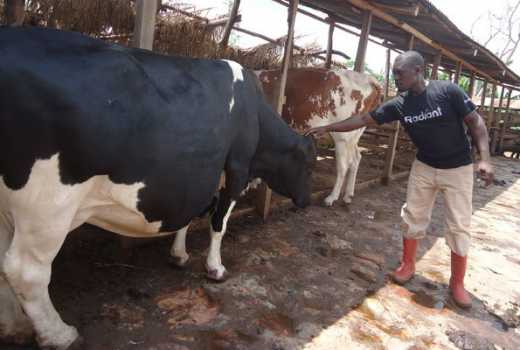
That Kenyans eat the most meat in East Africa is indisputable. The Food and Agriculture Organisation (FAO) of the United Nations statistics indicate that Kenyans consumed about 14 kilogrammes of meat per year by 2013. Recent data indicate that the average Kenyan eats almost three times as much meat as the average Rwandese. As early as 2014, the Global Forum on Agricultural Research found that Kenya was already experiencing a shortage of approximately 4,500 tonnes of meat; a result of high levels of local consumption and demands from export markets such as Middle East and African countries.
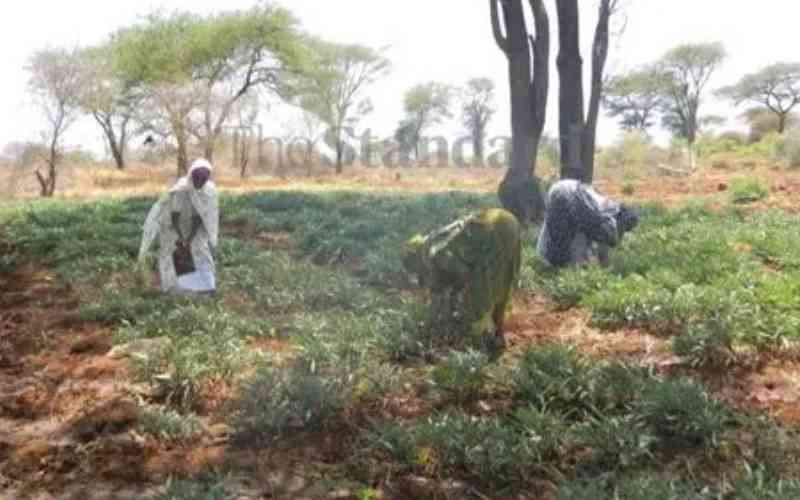
This therefore means that the livestock industry is big business in Kenya due to the growing demand for meat. But where does Kenya’s meat come from? Kenya’s Arid and Semi-Arid areas host over 60 percent of all livestock in the country, employing about 90 percent of the local population. The ASALs in Kenya occupy 80 per cent of the country land mass and support pastoralism which provides livelihood to over three million people.
Subscribe to our newsletter and stay updated on the latest developments and special offers!


 Prefer the Standard on Google






 join
join