×

The Standard e-Paper
Kenya’s Boldest Voice
 The Standard Group Plc is a
multi-media organization with investments in media platforms spanning newspaper
print operations, television, radio broadcasting, digital and online services. The
Standard Group is recognized as a leading multi-media house in Kenya with a key
influence in matters of national and international interest.
The Standard Group Plc is a
multi-media organization with investments in media platforms spanning newspaper
print operations, television, radio broadcasting, digital and online services. The
Standard Group is recognized as a leading multi-media house in Kenya with a key
influence in matters of national and international interest.
During the just-concluded interviews of judges to the Court of Appeal, an interesting question was posed to one of the learned hopefuls. He was asked whether there are instances where law and morality collide and to give examples, if any. It was intriguing to watch him struggle with this question because in truth, as he put it, it is akin to the age-old chicken and egg question: Which comes first?
Every day, situations arise that pit morality against the law. Moments where the law should ordinarily prevail, yet morality quietly but firmly takes the day. And others where morality takes a beating so that the law may triumph.
In all these instances, people respond differently guided by their upbringing, socialisation, beliefs or even lived experiences. What one person sees as a clear legal duty, another sees as a profound moral failure. Which then begs the question: Can morality be policed?
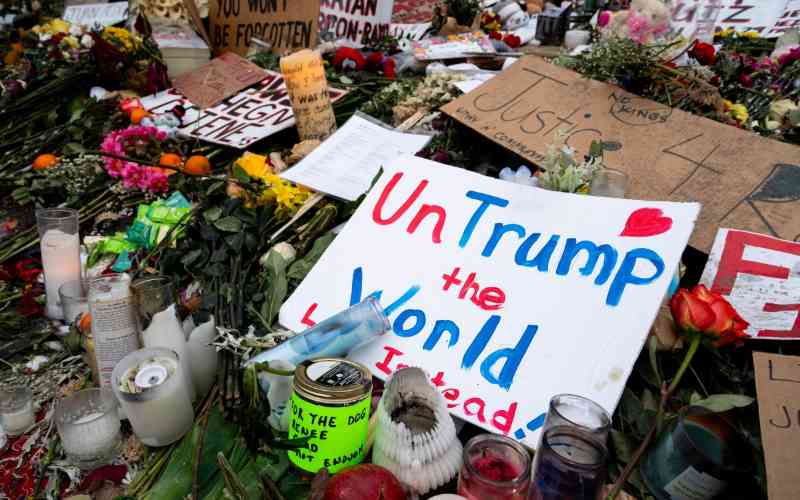
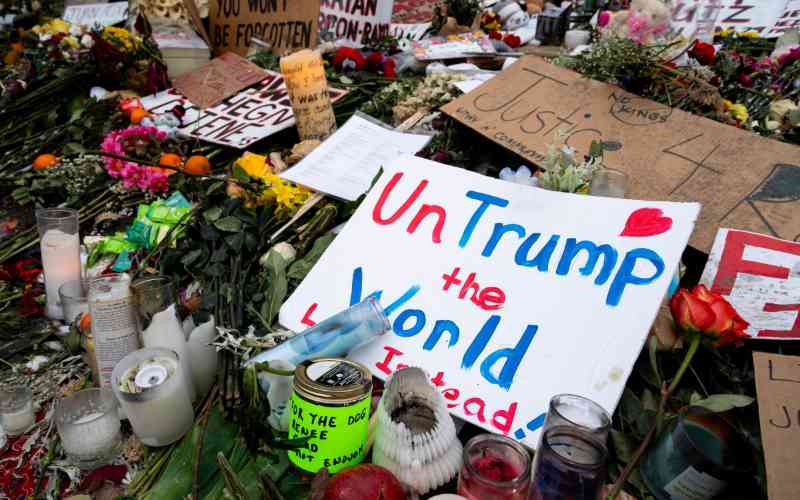
The events currently unfolding in the United States perfectly brings out this dilemma. Over the past month, two US citizens have lost their lives during encounters with ICE agents in Minnesota. In both cases, authorities insist that officers followed the law and acted within their mandate to use lethal force. Supporters of the government’s position have dug in, arguing that the law must be obeyed regardless. It is their firm conviction that the deaths were justified.
On the opposite side stand those demanding accountability. They insist that no law should excuse the loss of human life when alternatives exist. That, even where there is suspicion of wrongdoing, arrests, investigations and prosecution should take their course. To them, these deaths are unfortunate senseless losses that reflect a dangerous erosion of morality and humanness.
This moral fracture is not unique to the United States. We witnessed a strikingly similar reaction during the recent church incident in Othaya where alleged state agents disrupted a church service where the former Deputy President Rigathi Gachagua was in attendance. The country once again split neatly along familiar lines. I will not even attempt to bring up the situation in Uganda.
What stood out in all was not merely the incidents themselves but the public response to it. The same pro-government and anti-government hardlines emerged almost instinctively. What is most disturbing though, is how our political loyalties, camouflaged as fidelity to the law, has numbed us to the point where we struggle to acknowledge what is clearly wrong and see lives as mere statistics.
This growing dissonance only goes to show how we have failed to grasp that laws are a product of imperfect, evolving men and women easily influenced by their political leanings, power and prejudice.
There are so many laws from the past that cannot exist in today’s world because the society today finds them to be barbaric and unjust. Yet today, invoking the law has become a convenient shield against moral accountability and a way to abdicate ethical responsibility. But should it? Should a society consider itself law abiding just to cover for its moral depravity?
On the other hand, can we trust ourselves as a society to operate on morality alone? Can we trust ourselves to rely on our conscience to guide how we deal with each other in moments of conflict and disagreement?
If this be the case, what belief, what culture will inform the moral structure that we follow? Or should it be enough to trust everyone to use their judgment as humans in every situation regardless of our beliefs, political leanings, tribe or race?
Law, by design, is rigid. It thrives on structure, predictability and enforcement. Morality on the other hand is fluid and sensitive to context, informed by empathy, compassion and conscience. While the law asks “Was the action legal?” Morality asks, “Was it right? Was it necessary?”
In the end, the question is not whether law and morality collide. They do and always will. The more important question is what we choose to do when they do. Do we ditch our humanness to uphold the law or do we remind ourselves that laws exist for the people and not the other way round?
Ms Wekesa is a development communication consultant
Stay informed. Subscribe to our newsletter
Subscribe to our newsletter and stay updated on the latest developments and special offers!










 join
join