×

The Standard e-Paper
Fearless, Trusted News
 The Standard Group Plc is a
multi-media organization with investments in media platforms spanning newspaper
print operations, television, radio broadcasting, digital and online services. The
Standard Group is recognized as a leading multi-media house in Kenya with a key
influence in matters of national and international interest.
The Standard Group Plc is a
multi-media organization with investments in media platforms spanning newspaper
print operations, television, radio broadcasting, digital and online services. The
Standard Group is recognized as a leading multi-media house in Kenya with a key
influence in matters of national and international interest.

Audio By Vocalize

Menopause is a natural transition in every woman’s life, yet for many women in Kenya, it remains a subject shrouded in silence and stigma. The phase brings a series of physical, emotional, and social changes that can leave women feeling confused, uncomfortable, and even isolated.
Despite being universal, the conversation around menopause is largely absent in communities, healthcare, and media. Women often navigate these challenges alone, with little guidance or understanding of what is happening to their bodies.
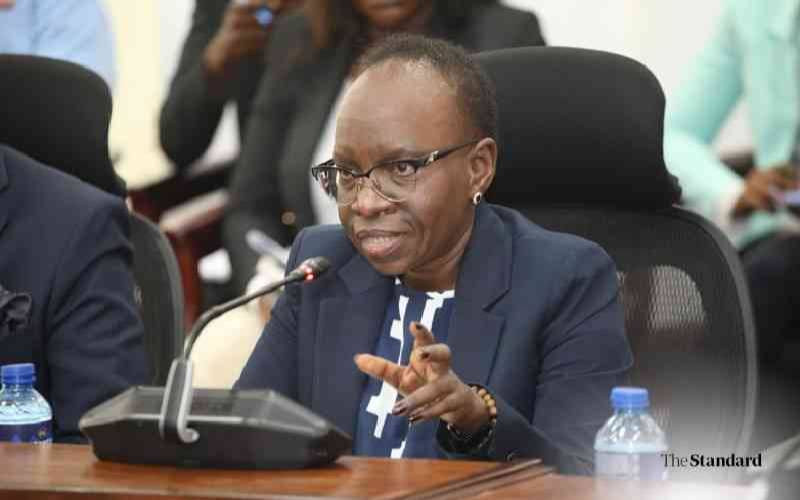
For Betty Okere, a clinical and resident dietician at Kilimani Diabetes and Endocrine Centre, this silence is concerning. She notes that menopause is not just about the end of menstruation: it is a complex biological process that affects metabolism, hormones, muscle health, and nutrient absorption.
“When a woman reaches menopause, her metabolism slows down,” Ms Okere explains. “Her body is no longer able to use and expend energy the way it did when she was younger.”
The gradual decline of oestrogen affects several systems. One of the most significant changes is muscle loss. As oestrogen drops, muscle mass reduces, and this directly affects how efficiently the body burns calories. With less muscle, the body uses energy more slowly, meaning excess calories are more likely to be stored as fat, particularly around the abdomen, leading to central obesity.
Oestrogen decline also affects vitamin D metabolism, which plays a crucial role in bone health.
“If nutritional intake is not adjusted to match these changes, women risk deficiencies or excessive caloric storage due to slowed metabolism,” Okere notes.
While menopause does not require a completely different diet, Okere emphasises that nutritional focus becomes even more important.
A balanced diet remains foundational: carbohydrates, proteins, vegetables, fruits and healthy fats supported by adequate sleep, rest and exercise. However, certain nutrients deserve special attention.
Protein becomes critical due to muscle loss. Ordinarily, a healthy adult may require about 0.8 to 1.0 grammes of protein per kilogramme of body weight. During menopause, this may increase to between 1.2 and 1.5 grammes per kilogramme to help preserve muscle mass.
“This protein should come from both animal and plant sources,” she says. Lean meats, fish, eggs and dairy products provide high biological value protein, while beans, lentils and other legumes support digestibility and nutrient diversity. Because appetite and mood changes can make it difficult to consume enough protein in one sitting, spreading intake across several meals during the day is advisable.
Healthy fats are equally important. With declining oestrogen and slower metabolism, cholesterol risks increase. Monounsaturated fats from olive oil, avocados and nuts support heart health. Omega-3 fatty acids found in fatty fish such as salmon and Nile perch help reduce inflammation and support both heart and bone health.
Ultimately, experts agree that menopause is not a disease to be cured but a life stage to be understood.
Stay informed. Subscribe to our newsletter





Subscribe to our newsletter and stay updated on the latest developments and special offers!








 join
join