×

The Standard e-Paper
Smart Minds Choose Us
 The Standard Group Plc is a
multi-media organization with investments in media platforms spanning newspaper
print operations, television, radio broadcasting, digital and online services. The
Standard Group is recognized as a leading multi-media house in Kenya with a key
influence in matters of national and international interest.
The Standard Group Plc is a
multi-media organization with investments in media platforms spanning newspaper
print operations, television, radio broadcasting, digital and online services. The
Standard Group is recognized as a leading multi-media house in Kenya with a key
influence in matters of national and international interest.

Audio By Vocalize
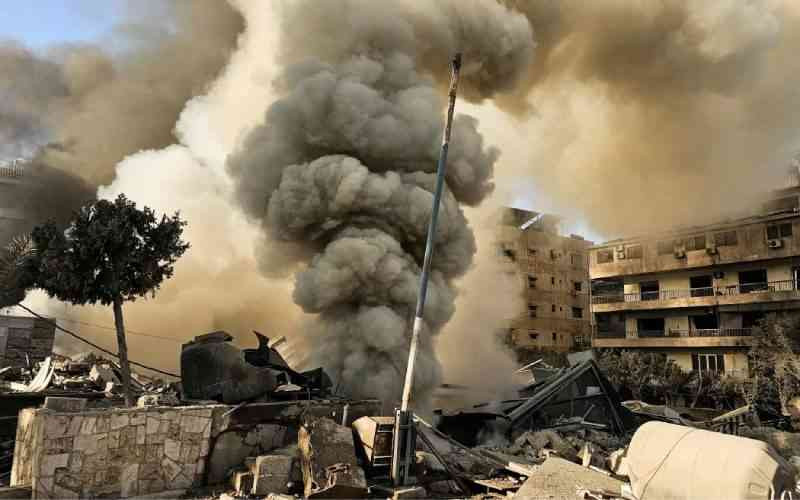
The ongoing Middle East crisis is rapidly becoming more than a geopolitical conflict for Africa. It is exposing one of the continent’s greatest economic and strategic weaknesses: heavy dependence on imported refined petroleum products, despite possessing enormous oil and gas resources of its own. In several African cities, long queues of motorists have already formed at fuel stations as supply uncertainties trigger panic buying and rising prices.
Transport costs are increasing, electricity generation is becoming more expensive in some countries, and businesses are beginning to feel the pressure of higher operational costs. In some urban centres, protests linked to rising fuel and transport prices have emerged, reflecting growing frustration among citizens already struggling with the high cost of living. If the disruptions persist, they could increase economic pressure on households and governments, with potential risks to social and political stability.
Africa is actually exposed to an estimated 600,000 barrels per day of petroleum products, which are typically transported from the Middle East into African markets, particularly diesel, petrol and aviation fuel. East Africa alone sources nearly 80 per cent of its refined petroleum products from Gulf suppliers such as Saudi Arabia, the United Arab Emirates, Kuwait and Oman. Any disruption in the Strait of Hormuz, Red Sea shipping lanes or Gulf supply chains therefore immediately affects African economies through shortages, delayed deliveries and rising costs.
The irony is painful because Africa itself is one of the world’s major energy-producing regions. The continent holds approximately 125 billion barrels of proven crude oil reserves and more than 620 trillion cubic feet of natural gas reserves. Countries such as Nigeria, Libya, Algeria, Angola and Egypt collectively produce millions of barrels of crude oil daily. Libya alone possesses nearly 48 billion barrels of oil reserves, the largest on the continent, while Nigeria holds more than 37 billion barrels. On the other hand, Africa consumed approximately 4.5 million barrels of oil per day in 2024, a level well within the continent’s broader production potential, provided sufficient refining, storage, and distribution infrastructure is in place. However, much of Africa’s crude oil is exported in raw form to Europe, Asia and the Middle East, only for African countries to import finished petroleum products back at significantly higher prices.
This is where Africa’s strategic failure becomes evident because for decades, many African economies focused on exporting raw commodities rather than building integrated industrial value chains. Investments in refineries, pipelines, storage facilities, petrochemicals and regional fuel transportation systems remained limited. Some refineries became obsolete, inefficient or collapsed altogether due to poor management, policy inconsistency, under-investment and corruption. Africa became trapped in a dangerous paradox of being resource-rich but industrially dependent. The continent exports crude oil but imports petrol, diesel, aviation fuel, fertilisers, plastics and industrial chemicals. In effect, Africa exports jobs, industrial growth and manufacturing opportunities while importing inflation, unemployment and dependency.
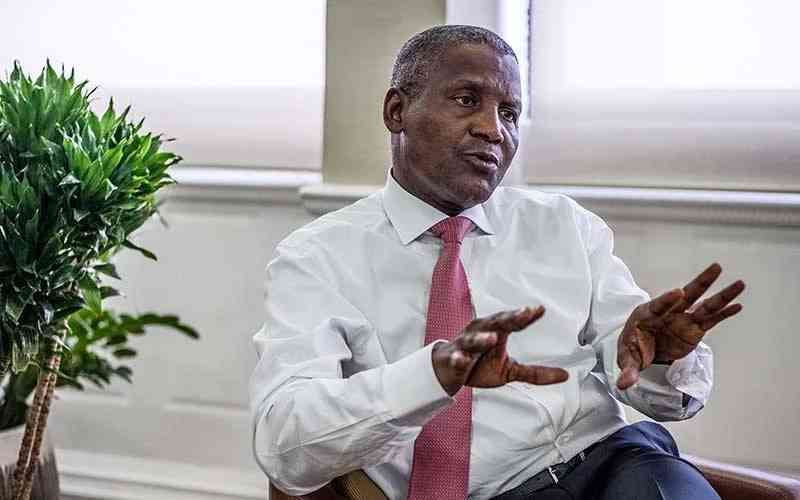
If Africa had strategically invested in regional refining and intra-African energy trade over the last three decades, the current Middle East crisis would have had far less impact on the continent. African crude could have been refined within Africa and distributed through continental supply systems under the African Continental Free Trade Area (AfCFTA) framework. This is why the emergence of the Dangote Group refinery in Nigeria is strategically important for the continent. At 650,000 barrels per day, the refinery has the potential to significantly reduce West Africa’s dependence on imported fuel while supporting regional petroleum trade. It demonstrates that Africa can build large-scale industrial infrastructure when political will, investment and long-term vision align.
However, a single refinery cannot solve Africa’s energy insecurity. The continent requires multiple integrated refinery and petrochemical hubs across West, East, Central, and Southern Africa, linked through efficient transport corridors, pipelines, ports, and storage facilities. This is where Africa’s industrialisation agenda intersects directly with the AfCFTA vision, as it was not simply established to increase trade in consumer goods. It was intended to build integrated continental value chains capable of transforming Africa from a raw commodity exporter into an industrial and manufacturing economy. Energy should now become one of the flagship sectors under AfCFTA implementation.
The economic opportunities are enormous as a strong African petroleum value chain would create millions of jobs across engineering, construction, logistics, shipping, petrochemicals, plastics, manufacturing, pipeline infrastructure, transport and industrial maintenance. Analysts estimate that a fully integrated petroleum and petrochemical ecosystem across Africa could generate between 5 and 10 million direct and indirect jobs over the next decade.
This then raises difficult questions about Africa’s youth unemployment crisis, as the continent cannot continue claiming there are no opportunities while simultaneously exporting raw materials that could support massive industrial growth and employment. The problem has never been a lack of resources. The real challenge has been weak industrialisation, fragmented markets, inadequate infrastructure and poor alignment between education systems and industrial needs.
This is why the African Union skills agenda and continental TVET reforms are becoming increasingly important. Africa’s energy future will depend not only on oil reserves but also on whether the continent can develop the technical and industrial workforce required to build and sustain modern industries. The current crisis in the Middle East should therefore serve as a wake-up call for Africa to accelerate intra-African trade, industrial integration and strategic infrastructure investment.





Subscribe to our newsletter and stay updated on the latest developments and special offers!








 join
join