×

The Standard e-Paper
Home To Bold Columnists
 The Standard Group Plc is a
multi-media organization with investments in media platforms spanning newspaper
print operations, television, radio broadcasting, digital and online services. The
Standard Group is recognized as a leading multi-media house in Kenya with a key
influence in matters of national and international interest.
The Standard Group Plc is a
multi-media organization with investments in media platforms spanning newspaper
print operations, television, radio broadcasting, digital and online services. The
Standard Group is recognized as a leading multi-media house in Kenya with a key
influence in matters of national and international interest.

Audio By Vocalize
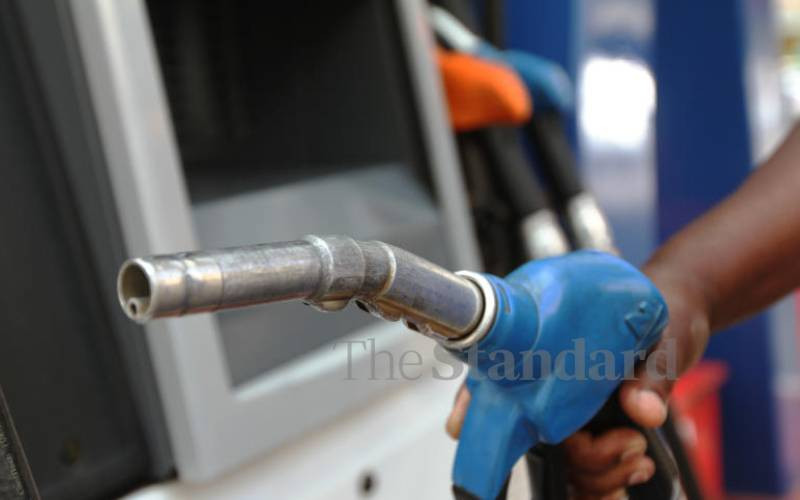
A Nairobi-based activist has filed a petition in the High Court seeking orders to halt the latest fuel price increases, accusing the government and regulators of violating the Constitution and imposing an economically punitive burden on Kenyans.
In a constitutional petition filed at the Milimani High Court, activist Francis Awino is seeking conservatory orders to suspend the implementation of the new petroleum prices announced by the Energy and Petroleum Regulatory Authority (EPRA) for the period between May 15 and June 14, 2026, arguing that the decision violates the constitutional rights of millions of Kenyans and was made without adequate transparency or public participation.
"Pending the inter-partes hearing of this application, the court be pleased to issue a conservatory order suspending the continued implementation and/or enforcement of the maximum retail petroleum prices announced by EPRA for the period May 15, 2026, to June 14, 2026, insofar as they relate to the impugned increment in Super Petrol and Diesel," Awino seeks.
He now wants the court to compel Treasury Cabinet Secretary John Mbadi and the Energy and Petroleum Regulatory Authority (EPRA) to disclose full fuel pricing details.
"Pending the inter-partes hearing of this application, the court be pleased to issue an order compelling the EPRA and CS Treasury to forthwith publish and avail to the Court and the public a full and disaggregated breakdown of the price build-up for Super Petrol, Diesel and Kerosene for the May–June 2026 cycle, including landed costs, taxes, levies, margins, exchange-rate assumptions, and the specific computation and utilisation of approximately Sh5 billion drawn from the Petroleum Development Levy Fund," Awino seeks.
He further wants the court to issue orders barring the use of the Petroleum Development Levy Fund without transparency safeguards.
“Pending the hearing and determination of this Petition, the Court be pleased to issue a conservatory order restraining the Respondents from applying or utilising monies from the Petroleum Development Levy Fund without full public disclosure of the basis, formula, allocation, beneficiaries and accountability framework for such utilisation,"the court papers read.
The petition targets seven respondents, including the Energy and Petroleum Regulatory Authority (EPRA), the Cabinet Secretary for National Treasury and Economic Planning, the Cabinet Secretary for Energy and Petroleum, the Cabinet Secretary for Investments, Trade and Industry, the Attorney General, the Kenya Bureau of Standards, and the National Standards Council.
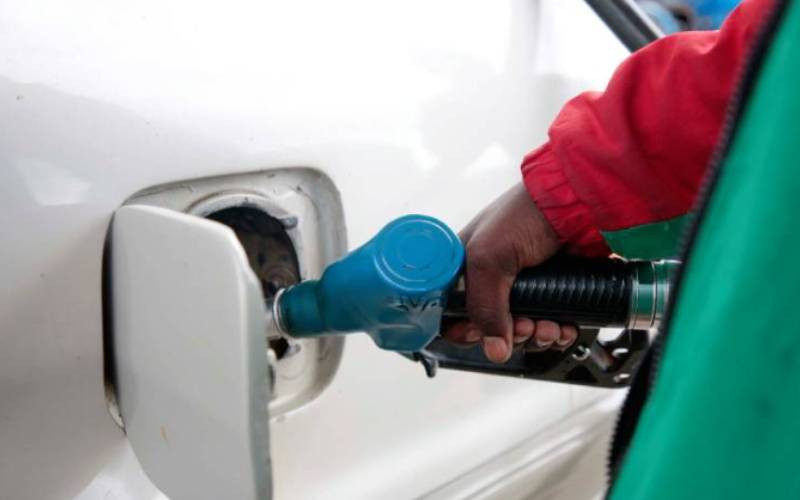
The urgency of the case stems from EPRA's announcement on May 14, 2026, that Super Petrol prices would rise by Sh16.65 per litre and Diesel by Sh46.29 per litre for the pricing cycle running from May 15 to June 14, 2026, with Kerosene remaining unchanged.
The case, filed under a certificate of urgency, argues that the price adjustment announced on May 14 by the government has triggered a severe economic strain across the country.
He adds that the increases came closely upon a previous fuel price spike, resulting in an acute and compounding burden on consumers, transport operators, farmers, small businesses, and households across Kenya.
"Notwithstanding the said subsidy, the prevailing prices remain extremely high and impose a severe burden on consumers, transport operators, food supply chains, and small enterprises," Awino states in his affidavit.
EPRA attributed the increases to a sharp rise in average landed costs, with imported Super Petrol costs climbing 10 percent and Diesel costs surging by 20.32 percent between March and April 2026.
The government announced it would deploy approximately Sh5 billion from the Petroleum Development Levy Fund to cushion Diesel and Kerosene prices, and separately reduced VAT on petroleum products to 8 percent through Legal Notice No. 70 of April 15, 2026.
Awino, however, contends that despite the interventions, the resultant pump prices remain exceptionally high and economically punitive to the public, arguing that the measures have failed to offer meaningful relief.
Stay informed. Subscribe to our newsletter
"Unless the Court intervenes urgently and issues conservatory relief, the impugned decisions will continue to occasion daily and widespread prejudice to millions of Kenyans through elevated transport, food and energy costs, while at the same time heightening public tension and the risk of avoidable civic disorder," he states
The petition further takes issue with a recent decision to temporarily relax fuel quality standards, a move announced on April 30.
According to the filing, authorities allowed a temporary waiver of sulphur standards up to 50 mg/kg for Automotive Gasoil and Premium Motor Spirit for a period of six months, citing global supply disruptions linked to the Middle East conflict.
Awino contends that this decision, alongside the price increases, was made without adequate public participation or accountability.
He claims that the impugned fuel price increment, the opaque deployment of the Petroleum Development Levy Fund, the temporary alteration of fuel standards, and the failure to institute adequate transparency, public participation, and accountability measures amount to violations and threatened violations of multiple constitutional provisions.
Among the rights cited are access to information, consumer protection, fair administrative action, and environmental protection.
The activist warns that the continued implementation of the fuel pricing regime could have far-reaching consequences beyond the economy.
“The said increase has already triggered widespread public anger and intense public commentary,” the petition states.
It further cautions that the situation may precipitate further public protests, unrest, and disruption of peace and public order unless there is immediate institutional accountability and judicial intervention.
Awino argues that unless the court intervenes urgently, millions of Kenyans will continue to suffer daily financial strain.
The matter is pending directions.



Subscribe to our newsletter and stay updated on the latest developments and special offers!








 join
join