×

The Standard e-Paper
Kenya’s Boldest Voice
 The Standard Group Plc is a
multi-media organization with investments in media platforms spanning newspaper
print operations, television, radio broadcasting, digital and online services. The
Standard Group is recognized as a leading multi-media house in Kenya with a key
influence in matters of national and international interest.
The Standard Group Plc is a
multi-media organization with investments in media platforms spanning newspaper
print operations, television, radio broadcasting, digital and online services. The
Standard Group is recognized as a leading multi-media house in Kenya with a key
influence in matters of national and international interest.

Audio By Vocalize
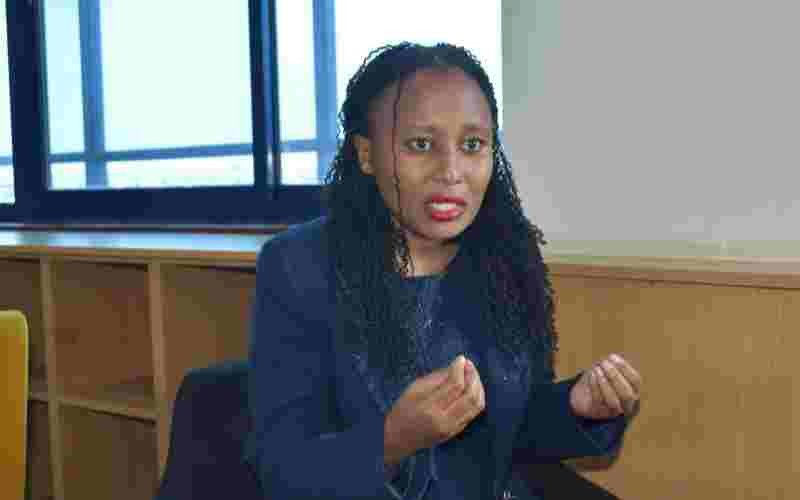
The government has been challenged to take urgent action to address the growing burden of endometriosis among Kenyan women and girls.
Kirinyaga Woman Representative Njeri Maina raised concern that women and girls continue to suffer in silence, with delayed diagnosis and the high cost of treatment worsening the problem.
She sought a statement in the National Assembly, saying endometriosis should no longer be treated as a private medical problem, warning that the condition has significant public health, social and economic consequences.
"Endometriosis care should be integrated into the Universal Health Coverage agenda and covered under the Social Health Authority (SHA). Many Kenyan women consequently continue to suffer silently for years, moving from one health facility to another before receiving an accurate diagnosis," she said.
She said the chronic condition, in which tissue similar to the lining of the uterus grows outside the uterus, can cause severe pelvic and menstrual pain, excessive bleeding, fatigue and, in some cases, infertility.
"Many Kenyan women move from one health facility to another before receiving an accurate diagnosis, with their symptoms often dismissed as ordinary menstrual pain," she told the National Assembly.
Maina urged the government to decentralise diagnostic and specialised treatment services to county and regional referral hospitals to make care more accessible.
She also called for enhanced training of healthcare workers, comprehensive menstrual health education and national research to establish the prevalence and socio-economic impact of the condition in Kenya.
She said endometriosis can interfere with education and employment, resulting in lost income and imposing a heavy financial burden on affected women and their families.
Women and girls living outside major urban centres are also of concern, with Maina saying they face limited access to specialised diagnosis and treatment, worsening the problem.
"There should be clear national guidelines covering the diagnosis, referral, treatment and long-term management of endometriosis," she proposed.
The MP said the country's menstrual health agenda should move beyond the provision of sanitary products to educating girls and women about menstrual health.
"Women and girls should be empowered to recognise that severe or incapacitating menstrual pain is not normal and should prompt them to seek medical attention," she stated.
Endometriosis is estimated to affect about one in 10 women and girls of reproductive age globally. Despite its prevalence, the condition remains poorly understood and is frequently misdiagnosed.
Stay informed. Subscribe to our newsletter
Maina said the consequences extend beyond physical pain to stigma, missed educational and employment opportunities, financial hardship and diminished quality of life.
The MP also paid tribute to women who have used their experiences to raise awareness about the condition, including media personality Natalie Githinji and the late Mary Jambi Koikai.
Koikai came into the limelight over the struggles she underwent while seeking medical attention and ultimately became an endometriosis campaigner.
According to Maina, Koikai's advocacy helped bring endometriosis into the national conversation and encouraged more women to speak openly about their experiences.
“The greatest homage we can pay to her and to every woman living with endometriosis is to translate awareness into meaningful policy and accessible healthcare,” she said.
Maina urged the government to strengthen public awareness campaigns, promote early diagnosis and make treatment affordable and accessible to women and girls across the country.
The call comes amid growing attention to menstrual and reproductive health challenges affecting women and girls, with advocates pushing for better access to diagnosis and specialised care.
Maina said this would require a coordinated response involving health education, trained healthcare workers, research, affordable treatment and decentralised services.

Subscribe to our newsletter and stay updated on the latest developments and special offers!






 join
join