×

The Standard e-Paper
Join Thousands Daily
 The Standard Group Plc is a
multi-media organization with investments in media platforms spanning newspaper
print operations, television, radio broadcasting, digital and online services. The
Standard Group is recognized as a leading multi-media house in Kenya with a key
influence in matters of national and international interest.
The Standard Group Plc is a
multi-media organization with investments in media platforms spanning newspaper
print operations, television, radio broadcasting, digital and online services. The
Standard Group is recognized as a leading multi-media house in Kenya with a key
influence in matters of national and international interest.

Audio By Vocalize
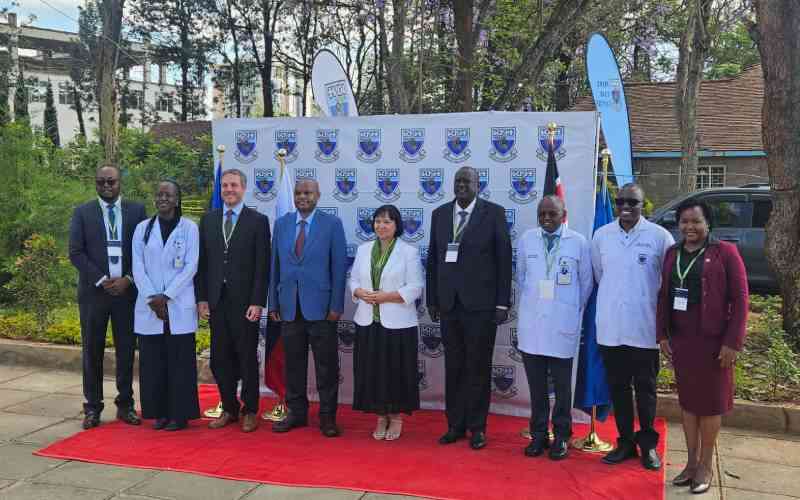
Kenya and Slovenia are strengthening scientific cooperation to tackle the growing threat of antimicrobial resistance, with researchers exploring bacteriophages as a potential tool against drug-resistant infections.
Speaking at the Africa Bacteriophage Summit Nairobi 2026, Slovenia’s non-resident Ambassador to Kenya, Kristina Radej, said stronger cooperation in research, clinical practice and regulation was needed to address infections that are increasingly difficult to treat with conventional antibiotics.
The summit has brought together health experts, researchers, clinicians, regulators, universities and public institutions from Kenya, Slovenia and other countries to examine the potential of bacteriophage technology in the fight against antimicrobial resistance.
Bacteriophages are viruses that specifically target and destroy bacteria. Scientists are increasingly studying their potential use in treating bacterial infections as resistance to existing antibiotics continues to grow.
The meeting is examining the clinical, regulatory, ethical and patient-safety requirements for the use of bacteriophages, while also exploring their potential applications in agriculture, livestock and food production.
Radej said Kenya and Slovenia were seeking to strengthen joint research, training and institutional links between hospitals, universities, laboratories, regulators and veterinary and agricultural institutions.
She said antimicrobial resistance, climate change, changing ecosystems and health security were complex challenges that could not be addressed by individual countries acting alone.
“For us, scientific cooperation is not supplementary to foreign policy; it is integral to it,” she said.
Radej said Slovenia was keen to use its scientific and technological expertise to deepen cooperation with Kenya and the wider East African region in biotechnology, medicine, artificial intelligence and environmental research.
She said science diplomacy could help ensure that advances in biotechnology and digital technologies were developed responsibly while supporting stronger health systems and regional resilience.
The summit is also examining how bacteriophage research can support Kenya’s antimicrobial resistance priorities across human health, livestock and food systems under the One Health approach.
The approach recognises the close links between human, animal and environmental health and is increasingly being used to guide efforts to address antimicrobial resistance.
Representing the Food and Agriculture Organisation of the United Nations, FAO officials said antimicrobial resistance was not only a health challenge but also a threat to food security, livelihoods, environmental sustainability and economic growth.
FAO said antimicrobial use in agrifood systems is often linked to underlying challenges including high disease burdens, inadequate biosecurity, limited access to animal health services and diagnostics, and weak surveillance systems.
Stay informed. Subscribe to our newsletter
The organisation said strengthening disease prevention, animal health, biosecurity and sustainable production practices would be critical in reducing dependence on antimicrobials.
FAO also highlighted bacteriophages as an emerging technology that could complement existing interventions across human health, animal health, food production and environmental management.
However, the organisation stressed that innovation must be supported by scientific evidence, appropriate regulatory frameworks, quality assurance, research and strategic partnerships.
Participants are expected to discuss the evidence required to determine where and how bacteriophage-based therapies can be safely introduced, as well as the regulatory pathways needed before their wider use.
Radej called for stronger laboratory capacity, evidence-based policies and harmonised regulatory frameworks to support the safe development and application of new technologies in tackling antimicrobial resistance.
She said closer cooperation between Kenya and Slovenia could strengthen the region’s capacity to respond to drug-resistant infections while creating opportunities for innovation, skills development and scientific research.
The summit is also providing a platform for researchers and institutions to identify areas for joint projects, knowledge exchange and capacity building.
The meeting, being held in Nairobi, includes participation from Kenyan health institutions, including Kenyatta National Hospital, government agencies, researchers and international partners.
The discussions are expected to contribute to efforts to develop new tools for preventing and treating bacterial infections while ensuring emerging technologies meet appropriate clinical, ethical and regulatory standards.








Subscribe to our newsletter and stay updated on the latest developments and special offers!








 join
join