×

The Standard e-Paper
Join Thousands Daily
 The Standard Group Plc is a
multi-media organization with investments in media platforms spanning newspaper
print operations, television, radio broadcasting, digital and online services. The
Standard Group is recognized as a leading multi-media house in Kenya with a key
influence in matters of national and international interest.
The Standard Group Plc is a
multi-media organization with investments in media platforms spanning newspaper
print operations, television, radio broadcasting, digital and online services. The
Standard Group is recognized as a leading multi-media house in Kenya with a key
influence in matters of national and international interest.

Audio By Vocalize
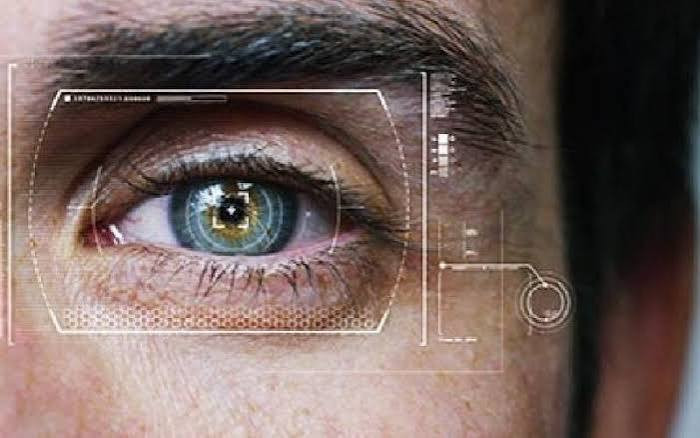
Kenya’s efforts to prevent avoidable vision loss are facing major challenges, with limited access to specialised retinal services, high treatment costs and patients struggling to maintain long-term care.
Dr Mahesh Chandargi, a neuro-ophthalmology consultant eye surgeon, said Kenya currently has about seven to eight centres where retinal diseases can be treated, with most of them located in Nairobi.
The country also has only about 10 to 11 specialists trained to manage these conditions.
This means patients from other parts of the country often have to travel long distances to access specialised care.
“Most of them travel to Nairobi for treatment,” Dr Chandargi said during a media engagement on transforming eye care in Kenya.
The journey can be costly for patients and their families, with transport, accommodation, time away from work and the need for someone to accompany the patient adding to the financial burden.
Access to a specialist is only one part of the challenge.
Retinal diseases affect the retina, a thin layer at the back of the eye that receives light and sends signals to the brain, allowing us to see.
When the retina is damaged, a person may develop blurred or distorted vision, blind spots or, in severe cases, permanent loss of sight. Some retinal diseases develop slowly without obvious symptoms, making regular screening important.
Dr Chandargi said retinal diseases often require repeated treatment, scans and follow-up appointments.
About one-third to 40 per cent of patients in their clinics drop out of care because they are unable to keep up with treatment or follow-up requirements.
Retinal diseases can affect patients silently, with some people experiencing no symptoms in the early stages. By the time vision problems become noticeable, the disease may already have progressed.
“Early detection and treatment” therefore remain critical, Dr Chandargi said, noting that patients need to be identified during the early stages when treatment has a better chance of preserving vision.
Diabetic retinopathy is one of the major retinal conditions of concern. Dr Chandargi said about a quarter of patients in his retina clinic have complications related to diabetes.
Stay informed. Subscribe to our newsletter
Diabetic retinopathy occurs when high blood sugar damages the small blood vessels supplying the retina.
The damage can cause swelling, bleeding or the growth of abnormal blood vessels, eventually affecting vision and potentially leading to blindness if left untreated.
Other retinal conditions include age-related macular degeneration, retinal vein occlusions, retinopathy of prematurity, retinal detachments and macular holes.
The problem is expected to grow as Kenya faces a rising burden of non-communicable diseases and an ageing population.
Dr Jack Kileba, Medical Operations Lead for Sub-Saharan Africa at Bayer, said retinal diseases should be viewed not only as a clinical issue but also as a social and economic concern because loss of sight can affect employment, independence and family life.
He called for stronger collaboration between government, healthcare professionals, industry, patient groups, academia and other partners to improve access and continuity of care.
Saida Adan of Axios International said patient access should be viewed as a journey, beginning with awareness and diagnosis and continuing through referral, treatment and follow-up.
She said patients may need support navigating the healthcare system, understanding their condition and remaining connected to the care they need.
Dr Chandargi also called for greater investment in training, equipment, screening and the use of technology, including portable devices and artificial intelligence, to expand retinal screening beyond major urban centres.
He said healthcare workers across different levels, including clinicians, nurses, pharmacists and opticians, could also play a greater role in identifying people at risk and encouraging them to seek screening.
For patients, the message is simple. Retinal disease should not be left until vision starts failing. Early screening, timely treatment and consistent follow-up can help preserve useful vision and prevent permanent sight loss.




Subscribe to our newsletter and stay updated on the latest developments and special offers!








 join
join