×
App Icon
The Standard e-Paper
Stay Informed, Even Offline
★★★★ - on Play Store
Download App

Meru dairy farmers upbeat as processor gets ISO certification

Vocalize Pre-Player Loader

Audio By Vocalize

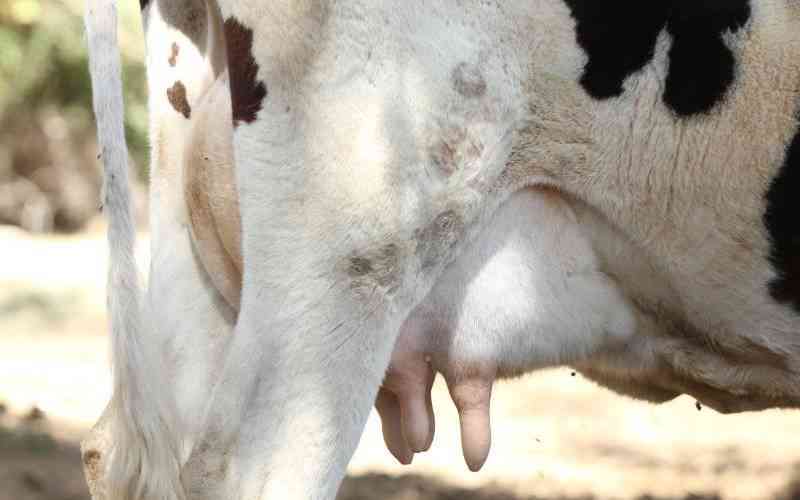
Friesian dairy breed cow ready for milking at Mary Mutisya's dairy farm in Muthetheni Ward , Masii ,Machakos County during a tour by Global Centre on Adaptation.[FILE,Standard]

Dairy farmers in Meru County are upbeat after the Meru Central Dairy Cooperative Union received the ISO 22000:2018 Food Safety Management System Certification.

The ISO 22000:2018 certification by the Kenya Bureau of Standards (KEBS) is expected to enable the farmers to access more export markets for the farmers to sell their milk.
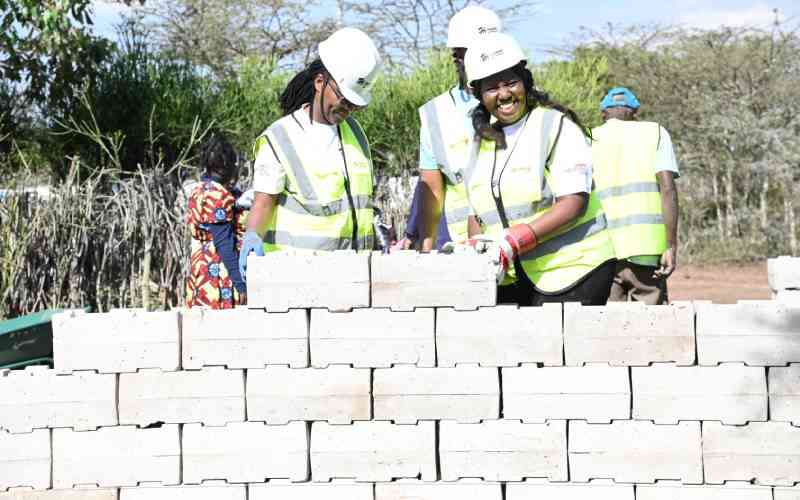
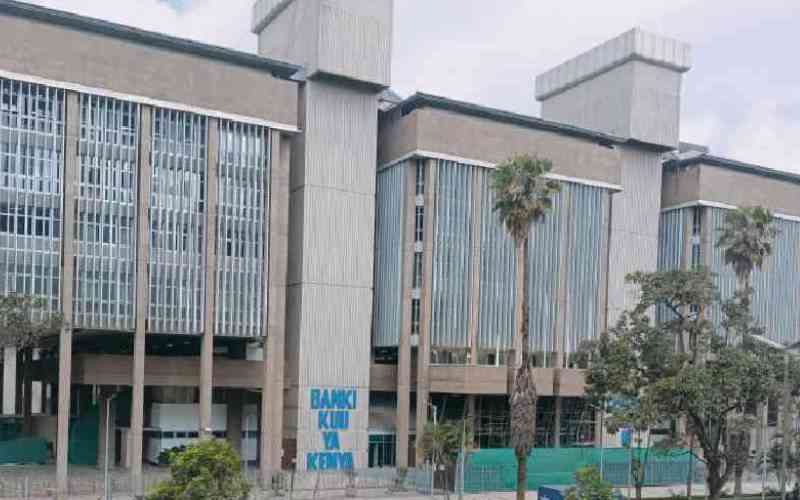
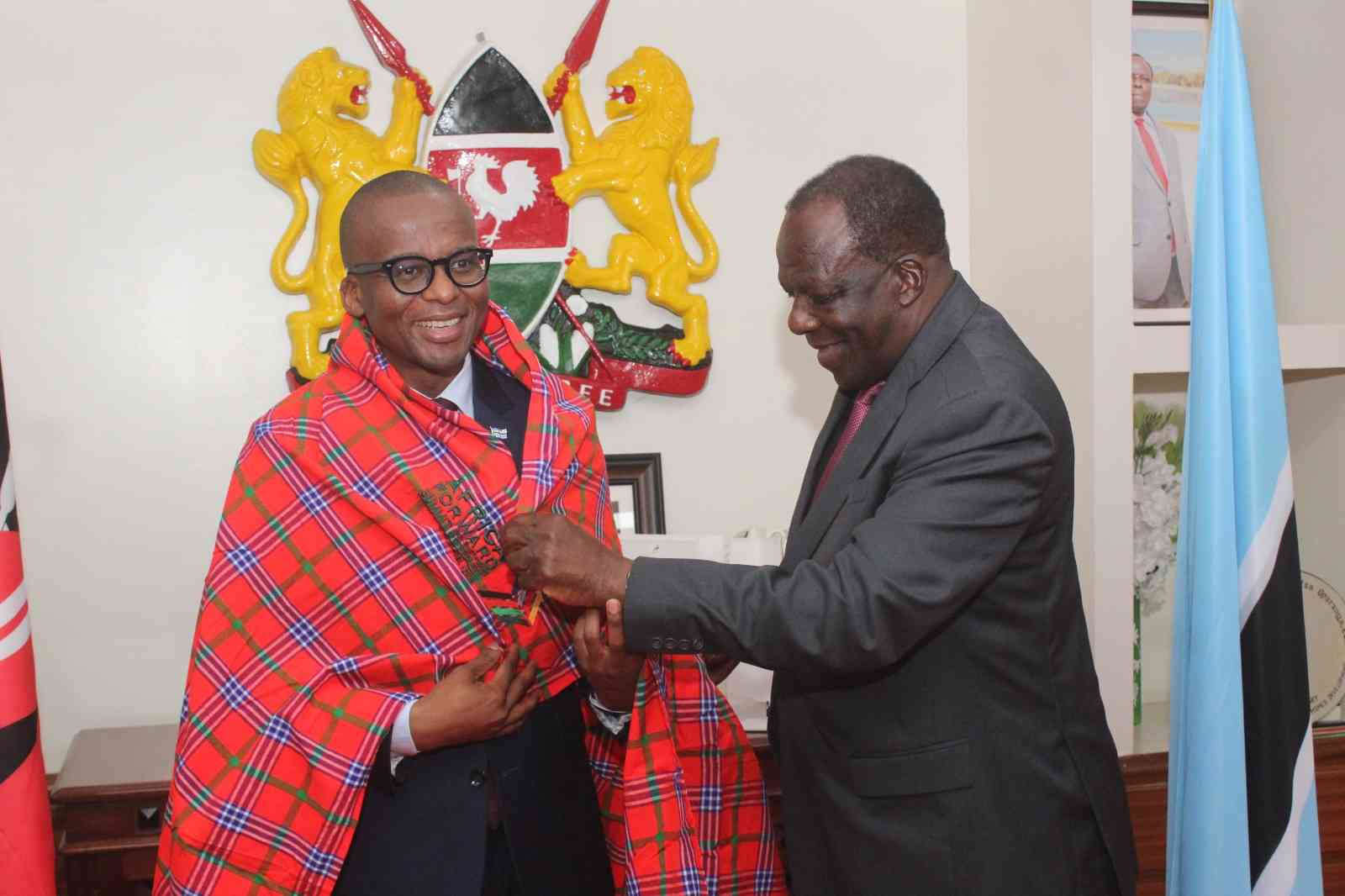
KEBS MD Esther Ngari handed the certificate to the dairy union Chief Executive Officer (CEO), Kenneth Gitonga, in the presence of Livestock Development Principal Secretary Jonathan Mueke.

A section of farmers and dairy society leaders has also attended a quality-based pricing training, which will ensure farmers who deliver the highest quality milk get the best pay.

Ms Ngari said with the ISO certification, the dairy union was now better placed to supply various dairy products to the export market, resulting in higher earnings for farmers.

“Certification is not the destination. It is a commitment to continuous improvement,” she told the farmers and the union leaders.

Ngari said KEBS had set up laboratories in Meru that will test the quality of the livestock feeds and the dairy products to support the dairy union in its quest for high-quality products, which include fresh milk, yoghurt, and ghee.

She said KEBS was supportive of the farmers’ cooperative movement, which she said was one of the country’s strong pillars of the economy, adding that it had to be compliant with international food safety systems.

It (compliance) strengthens Kenya’s export potential, she said. “It strengthens confidence in our dairy sector and supports national aspirations of industrialisation and value addition,” she added.

PS Mueke said the training on quality-based payment for milk and ISO certification were key milestones for local dairy farmers.

“They signify that Meru is positioning itself at the forefront of dairy transformation countrywide. Our dairy sector contributes about four per cent of GDP, supports over two million livelihoods and is driven by 1.8 million smallholder farmers who produce 80 per cent of our milk,” said Mueke.

The PS said the country had signed trade agreements with the EU and UAE, giving dairy farmers the opportunity to sell high-quality dairy products, translating to more earnings.

“We cannot achieve these targets by focusing on volume alone. We must focus on quality,” he stated.

He said farmers who deliver milk with high butter and protein content will fetch higher pay.

He said the export of milk powder to countries such as Algeria, Nigeria, and the DRC will put more money in farmers’ pockets and ensure excess milk will be “mopped up by these markets that are right here with us in Africa”.

“We have spoken with these countries, and they are importing milk from the Netherlands, Denmark, Poland, and even from as far as New Zealand, because we (Kenya) are not meeting quality standards that are demanded by those markets,” he stated.

He added, “Now we have opened those markets for exports.” Mr Gitonga said the union, having achieved the international standards, was now eyeing the export market.

“We have changed the way we handle our milk and attained international standards. We want the best, because there are markets such as Kampala, Tanzania,” he said.

The union is constructing a multi-million livestock feed factory in South Imenti and is targeting to process a million litres daily, from the current 640,000 litres.