×

The Standard e-Paper
Home To Bold Columnists
 The Standard Group Plc is a
multi-media organization with investments in media platforms spanning newspaper
print operations, television, radio broadcasting, digital and online services. The
Standard Group is recognized as a leading multi-media house in Kenya with a key
influence in matters of national and international interest.
The Standard Group Plc is a
multi-media organization with investments in media platforms spanning newspaper
print operations, television, radio broadcasting, digital and online services. The
Standard Group is recognized as a leading multi-media house in Kenya with a key
influence in matters of national and international interest.

Audio By Vocalize
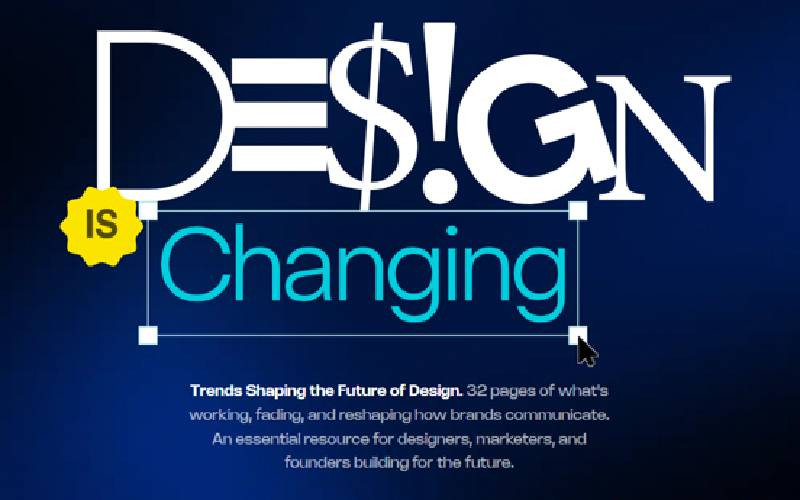
A Cardtonic report reveals how AI is changing design, why audiences prefer ‘imperfect’ visuals, and what this means for creative work.
For years, good design was defined by perfection. But as AI began generating flawless designs in seconds, that standard started to shift.
The Cardtonic design team became increasingly curious about this shift in audience behaviour. Designs that once stood out for being clean and polished were no longer having the same effect. Instead, attention was moving toward work that feels more human, more authentic, and less perfect.
It is this change in audience behaviour and the industry at large, that led Cardtonic to explore the topic more deeply through a design report titled Design is Changing.
Rather than observe this new pattern from a distance, Cardtonic’s design team chose to study it directly and document what it means for the future.
What the Report Found
After weeks of research and observing how people interact with modern design, the Cardtonic design team found out some interesting facts.
Designs that once stood out for being perfect were no longer having the same effect. Instead, audience attention was moving toward work that carries subtle texture, imperfection, or a sense of presence behind it.
As the team dug deeper, the pattern became clearer.
According to the findings, 72% of the population sampled now associate highly polished visuals with automated or low-effort content. In contrast, 82% say they are more likely to trust or connect with brands that use hand-drawn or textured design elements.
This change is not just about taste. It shows up in performance as well. Designs with a more natural or imperfect feel generate about 1.5x higher engagement compared to clean, perfect designs.
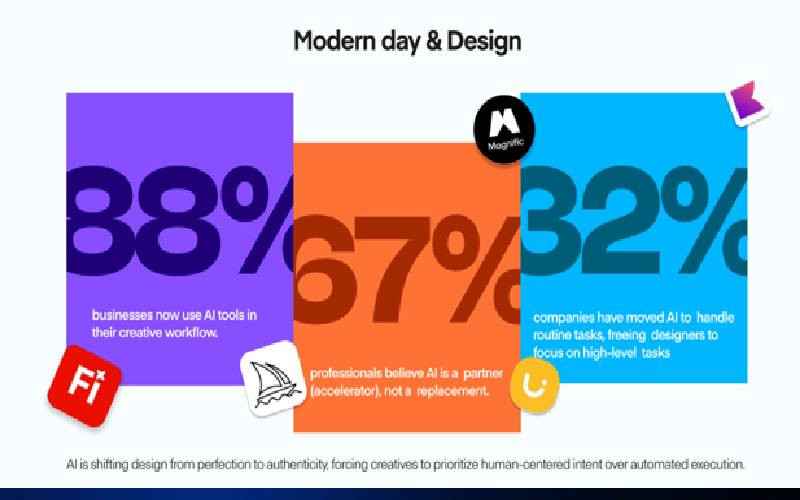
At the same time, AI has become deeply embedded in the creative process. About 88% of businesses now use it in their design workflows, with 67% viewing it as a support tool for creativity rather than a replacement for designers.
Attention patterns are also changing. The report notes that bold typography is processed about 40% faster by the brain compared to more complex imagery, which helps explain why simpler, clearer visuals are increasingly effective.
Stay informed. Subscribe to our newsletter
Taken together, the findings point to one consistent direction. Although AI makes it easier to produce perfection, audiences are becoming more responsive to work that feels grounded in human judgment.
Why Cardtonic did this
What makes this report stand out is not just what it says, but who said it.
Cardtonic is a fintech company known for gift card trading and virtual dollar card services. It is not a traditional design studio, and that is exactly what makes this effort unexpected.
Instead of treating design as a support function, the company’s own designers stepped into a bigger question quietly shaping the industry: what does AI mean for creative work, and for the people behind it?
They did not outsource their thinking. They did not turn it into a marketing exercise. They studied the shift from inside the work itself, then documented what they found.
The result is not just a report. It is a response to a growing uncertainty within the creative community, delivered back in a form the community can actually use.
“We didn’t build this report to sell something. We built it because designers deserve better than panic. They deserve clarity.” — Muhammad Oni, Product Designer, Cardtonic.
Cardtonic’s position on AI
For Cardtonic, the report is not a prediction or a warning. It is a way of making sense of a shift that is already happening inside design teams and across the wider creative industry.
As AI tools become part of everyday workflows, the focus is moving away from whether designers should use them, and toward how they should use them. The real question is no longer about adoption but about control and intent.
“The designers who win in 2026 aren't those who have made enemies of AI. They're the ones who know exactly its use, and what to never let it decide.” — Precious West, Designer, Cardtonic.
That perspective reflects a growing belief within the industry. AI is not positioned as a replacement for creativity, but as a tool that changes the boundaries of how that creativity is expressed. What still matters is judgment, taste, and the ability to decide what should remain human.
Wrapping up
Cardtonic has built its reputation on one thing: solving real problems for people trying to participate in the global economy. That same standard is reflected in how the company approaches research and design.
The Design is Changing report is not a side experiment. It is structured, intentional, and grounded in answers that matter to designers trying to find a way in the industry.
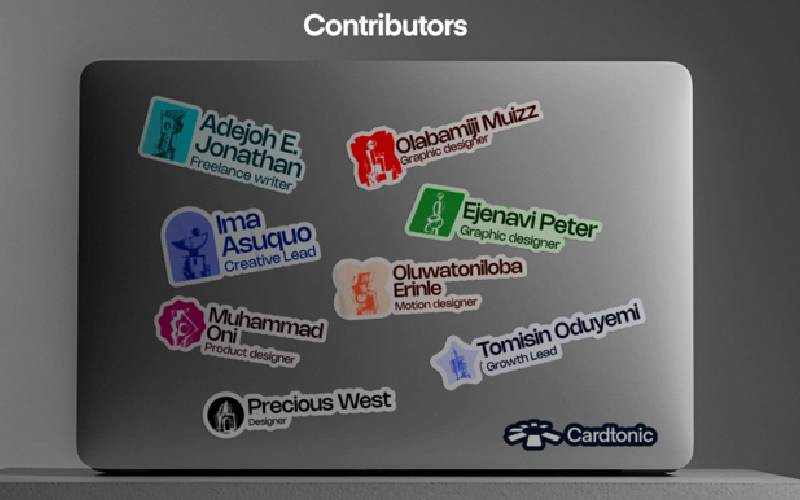
In the words of Ima Asuquo, Creative Lead at Cardtonic, “Every product Cardtonic has ever built answered one question: does this solve a real problem for someone trying to participate in the global economy but hitting a wall? This report answers the same question, just for creatives.”
Whether it is a product or a report, Cardtonic’s work follows the same standard of clarity, usefulness, and execution. This report reflects that same quality, and for readers interested in where design is heading, it is worth a closer look.
Subscribe to our newsletter and stay updated on the latest developments and special offers!


 Prefer the Standard on Google