×

The Standard e-Paper
Smart Minds Choose Us
 The Standard Group Plc is a
multi-media organization with investments in media platforms spanning newspaper
print operations, television, radio broadcasting, digital and online services. The
Standard Group is recognized as a leading multi-media house in Kenya with a key
influence in matters of national and international interest.
The Standard Group Plc is a
multi-media organization with investments in media platforms spanning newspaper
print operations, television, radio broadcasting, digital and online services. The
Standard Group is recognized as a leading multi-media house in Kenya with a key
influence in matters of national and international interest.
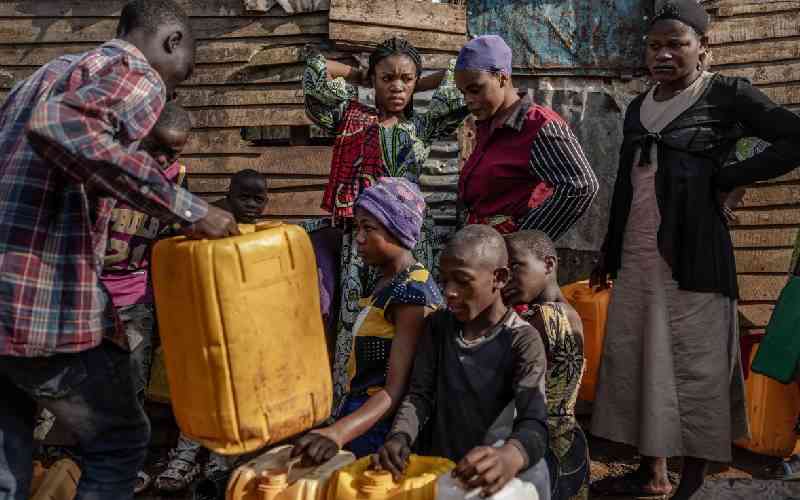
February 26 marks 140 years since the Berlin Conference of 1884-1885, where European powers convened to partition Africa among themselves.
No African voices were present, nor was any consideration to the continent's diverse peoples and histories. The borders drawn in Berlin continue to shape Africa's political and socio-economic realities today. The Berlin conference formalised the scramble for Africa, which was already well underway. The participating powers sought not only to maximise their territorial claims but also avoid conflict among themselves. In 1870, 10 per cent of Africa was under European control; by 1914, that figure had soared to 90 per cent. The only nominally ethical gesture was formal abolition of slavery, yet in practice, colonial rule was imposed through violence and coercion. Missionaries served as the vanguard of expansion, using religion, modernity, and progress as justifications to weaken resistance.
Subscribe to our newsletter and stay updated on the latest developments and special offers!









 join
join