×

The Standard e-Paper
Fearless, Trusted News
 The Standard Group Plc is a
multi-media organization with investments in media platforms spanning newspaper
print operations, television, radio broadcasting, digital and online services. The
Standard Group is recognized as a leading multi-media house in Kenya with a key
influence in matters of national and international interest.
The Standard Group Plc is a
multi-media organization with investments in media platforms spanning newspaper
print operations, television, radio broadcasting, digital and online services. The
Standard Group is recognized as a leading multi-media house in Kenya with a key
influence in matters of national and international interest.
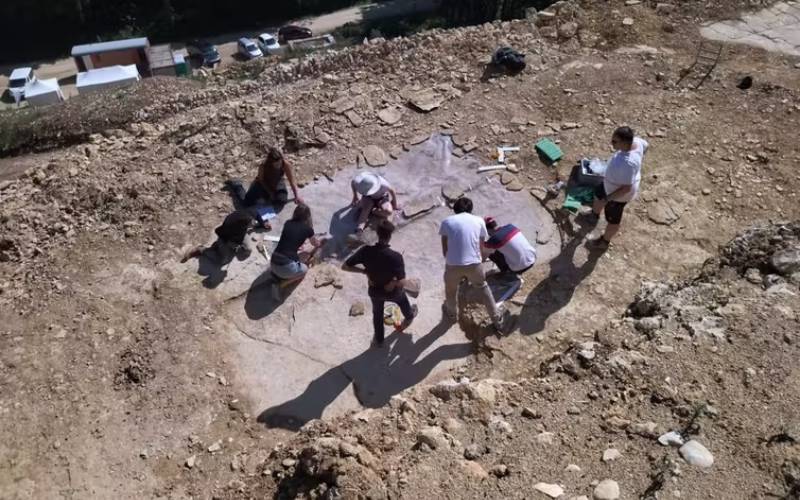
If you had told 18-year-old me that I would, one day, be an ichnologist I wouldn’t have believed you – or even known what that was. But, more than 15 years later, I get to introduce myself as an ichnologist.
Like my teenage self, many people outside the discipline don’t know, or have a limited understanding of, what ichnology is. It’s the study of the tracks and traces made by animals and plants in the fossil record, also called trace fossils. These can range from animal footprints, invertebrate trails, feeding traces on fossil leaves, fossilised faeces, tooth traces on bone/wood, to burrows and borings all preserved in the sedimentary rock record. When someone mentions seeing a “dinosaur footprint” they are talking about ichnology.

Subscribe to our newsletter and stay updated on the latest developments and special offers!










 join
join