×

The Standard e-Paper
Kenya’s Boldest Voice
 The Standard Group Plc is a
multi-media organization with investments in media platforms spanning newspaper
print operations, television, radio broadcasting, digital and online services. The
Standard Group is recognized as a leading multi-media house in Kenya with a key
influence in matters of national and international interest.
The Standard Group Plc is a
multi-media organization with investments in media platforms spanning newspaper
print operations, television, radio broadcasting, digital and online services. The
Standard Group is recognized as a leading multi-media house in Kenya with a key
influence in matters of national and international interest.
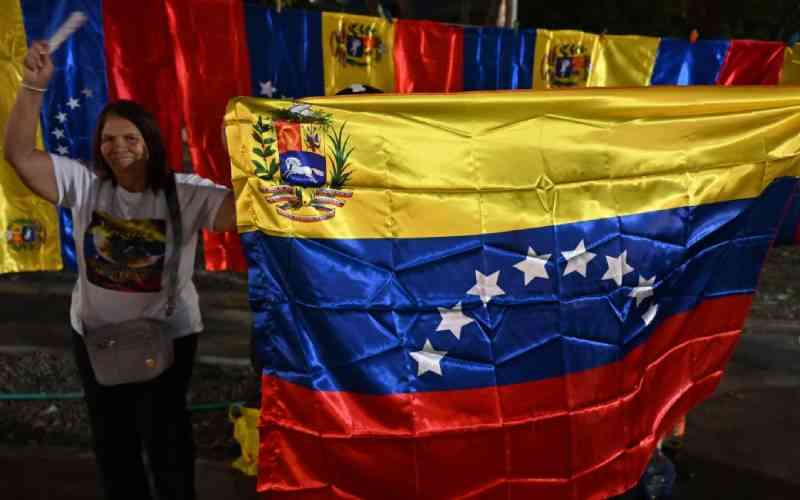
President Donald Trump said on Saturday he would allow American oil companies to go into Venezuela to tap its massive crude reserves after a US military operation seized its leader Nicolas Maduro.
The US military carried out a series of air strikes on Venezuela's capital Caracas early on Saturday. Maduro and his wife were captured and flown to New York City, where they face drug-trafficking and weapons charges.
Subscribe to our newsletter and stay updated on the latest developments and special offers!


 Prefer the Standard on Google




 join
join