×

The Standard e-Paper
Stay Informed, Even Offline
 The Standard Group Plc is a
multi-media organization with investments in media platforms spanning newspaper
print operations, television, radio broadcasting, digital and online services. The
Standard Group is recognized as a leading multi-media house in Kenya with a key
influence in matters of national and international interest.
The Standard Group Plc is a
multi-media organization with investments in media platforms spanning newspaper
print operations, television, radio broadcasting, digital and online services. The
Standard Group is recognized as a leading multi-media house in Kenya with a key
influence in matters of national and international interest.

Audio By Vocalize
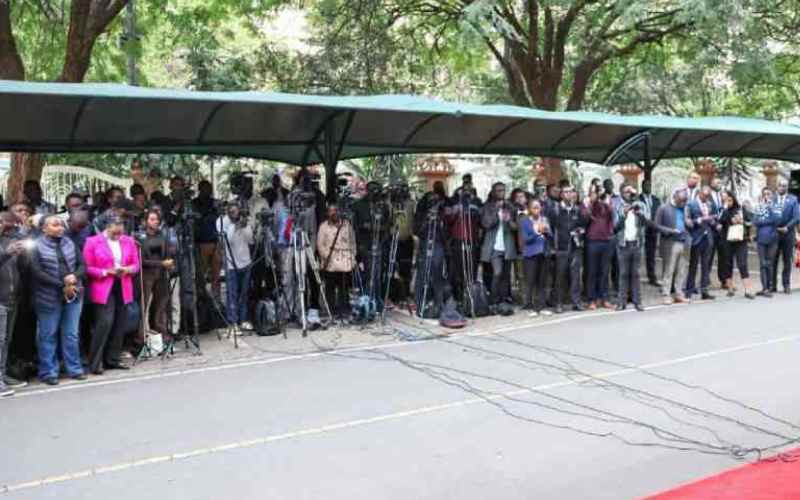
Journalists at a press briefing on the security preparedness ahead of Gen Z anniversary on June 24, 2026. [Benard Orwongo, Standard]
The International Commission of Jurists Kenya, along with regional legal and civil society organisations, has raised alarm over reported unlawful detentions and the shutdown of licensed media operations in Uganda.
In a joint statement on Thursday, July 2, the groups said the alleged violations raise serious questions about Uganda's compliance with its constitution and rule of law.
They have now called on the government to immediately disclose the legal basis, location and status of all detainees, and to grant them prompt access to lawyers, family and medical care.
The organisations said they have received reports of several detentions in which the whereabouts of those affected remain unknown and their legal status unclear. Among those reportedly detained is Miria Matembe, a senior legal practitioner and former minister of ethics and integrity, along with other individuals whose alleged arrests and disappearances continue to emerge.
"Taken together, these reports indicate a widening pattern of concern regarding executive overreach, respect for personal liberty, transparency of detention, judicial independence and compliance with due process guarantees," they said.
The groups also condemned the shutdown of Nation Media Group Uganda outlets including NTV Uganda, Spark TV and Daily Monitor, and the deployment of security officers to their premises, terming it a serious violation of constitutional guarantees on press freedom.
"These developments directly offend the constitutional guarantee of press freedom, which is not a discretionary privilege of the State but a foundational requirement for democratic governance, accountability and the public's right to receive and impart information without interference," the statement read.
The groups further said any interference with licensed media must meet constitutional tests of legality, necessity, proportionality, procedural fairness and independent oversight. They also raised concern over what they called the encroachment of military leadership into civilian institutions and regulatory functions.
"The military, or any individual within the military, has no business in civilian governance, neither should it exercise control over any arm of government," the statement said. "Its role is to protect the national interest against external threats, not to regulate the media or order the arrest of lawyers whose sole tool of trade is the pen."
They also noted that media regulation in Uganda falls exclusively under civilian bodies established by the Uganda Communications Act of 2013 and the Press and Journalist Act, and said any interference outside that legal framework raises concerns of unlawful overreach and constitutional noncompliance.
They have called for the urgent restoration of constitutional order, media freedom and civilian rule in Uganda.
"We maintain that no public authority, including security institutions, regulatory bodies or administrative actors, may exercise coercive, regulatory or enforcement powers except under clear and express authority provided by the Constitution or written law.”

Subscribe to our newsletter and stay updated on the latest developments and special offers!










 join
join