×

The Standard e-Paper
Stay Informed, Even Offline
 The Standard Group Plc is a
multi-media organization with investments in media platforms spanning newspaper
print operations, television, radio broadcasting, digital and online services. The
Standard Group is recognized as a leading multi-media house in Kenya with a key
influence in matters of national and international interest.
The Standard Group Plc is a
multi-media organization with investments in media platforms spanning newspaper
print operations, television, radio broadcasting, digital and online services. The
Standard Group is recognized as a leading multi-media house in Kenya with a key
influence in matters of national and international interest.
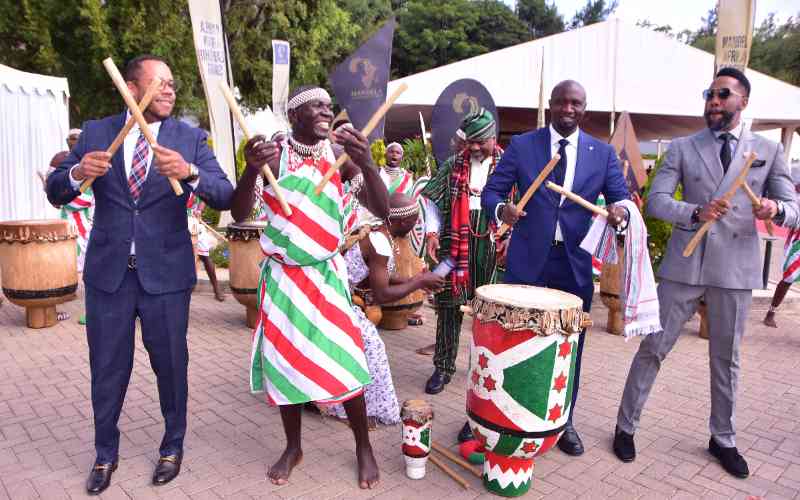
African leaders have been challenged to embrace selfless leadership and stop using their positions to oppress the youth, the poor and other vulnerable groups.
The call was made on Thursday by Ndaba Mandela, founder and chairman of the Mandela Institute for Humanity and a grandson of South Africa's first president, the late Nelson Mandela, during the two-day Mandela African Leadership Summit in Nairobi.
Subscribe to our newsletter and stay updated on the latest developments and special offers!


 Prefer the Standard on Google






 join
join