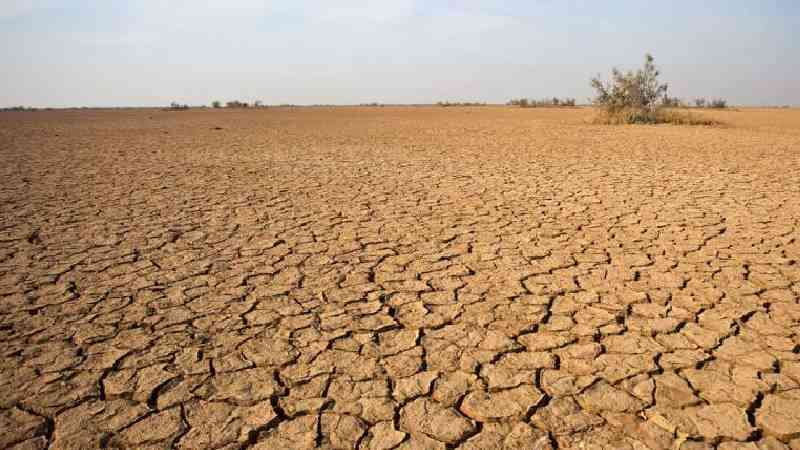
Last season’s drought did not wait for a policy paper. Neither did the floods that swept through towns and farms pause for board approvals. Through these severe weather events, climate change announced its arrival in Kenya, not as an abstract global concept, but as a lived, daily disruption to food prices, water access, jobs, and household stability.
And nowhere is this reality more visible than in the fast-moving consumer goods (FMCG) sector, whose products move from farms to factories to family kitchens every day.
For Kenya’s FMCG companies, which sit at the nerve centre of the economy, climate change is a commercial reckoning. Its supply chains depend on smallholder farmers battling erratic rains.
Its factories rely on water and energy systems under growing strain, and its trucks move across roads increasingly damaged by floods and heat. When climate shocks hit, FMCGs do not merely feel the tremors; they absorb the shockwaves. That is why this sector cannot afford to be a spectator in the climate crisis but must become the leader.
The first battlefield is the supply chain. Kenyan agriculture, the backbone of FMCG production, is among the most climate-exposed sectors. Droughts are reducing yields, floods are destroying crops, and unpredictable seasons are pushing farmers into deeper uncertainty.
Treating suppliers as disposable inputs in this environment is no longer viable. FMCG firms that want resilient businesses must invest in resilient farmers, including climate-smart seeds, regenerative practices, irrigation support, fair pricing, and long-term partnerships. Stability upstream is the cheapest insurance policy a company can buy in the unfolding environment.
Manufacturing is the second front because factories that waste water, burn inefficient energy, and generate uncontrolled waste are no longer just environmentally irresponsible but financially reckless.
When rising energy costs, tightening regulations, and community pressure start to reshape the cost of doing business, investing in renewable energy, water recycling, and efficient production systems is the foresight that is needed to respond to this threat. This is because the factories that will survive the next decade will be those designed to withstand climate stress, not deny it.
Then there is packaging, the most visible symbol of unsustainable consumption. Plastic waste clogs our drainage systems, worsens flooding, and scars our landscapes. The argument that consumers must “dispose responsibly” rings hollow when alternatives are scarce or unaffordable.
FMCG companies must lead the shift from linear consumption to circular systems with lighter packaging, recyclable designs, reuse models, and serious investment in collection and recycling. The solution includes partnerships with Kenya’s informal waste sector.
Some will argue that climate action is expensive, that margins are thin, that consumers are price-sensitive. But that argument misunderstands the moment. Climate inaction is far more costly because supply disruptions, volatile input prices, regulatory penalties, reputational damage, and lost consumer trust do by far dwarf the cost of early action.
Others claim that climate responsibility lies with governments. True, but leadership does not wait for compulsion. The companies shaping everyday consumption have a unique power to move faster than policy and set standards.
FMCG brands sit in millions of Kenyan homes, influencing how we eat, clean, and live. By making sustainable choices affordable, visible, and normal, not elite or exotic, companies can shift behaviour at scale without preaching or punishing. Climate resilience grows when sustainability becomes the default, not the exception.
Ms Musangi is the MD of HACO Industries
Stay informed. Subscribe to our newsletter