×

The Standard e-Paper
Fearless, Trusted News
 The Standard Group Plc is a
multi-media organization with investments in media platforms spanning newspaper
print operations, television, radio broadcasting, digital and online services. The
Standard Group is recognized as a leading multi-media house in Kenya with a key
influence in matters of national and international interest.
The Standard Group Plc is a
multi-media organization with investments in media platforms spanning newspaper
print operations, television, radio broadcasting, digital and online services. The
Standard Group is recognized as a leading multi-media house in Kenya with a key
influence in matters of national and international interest.
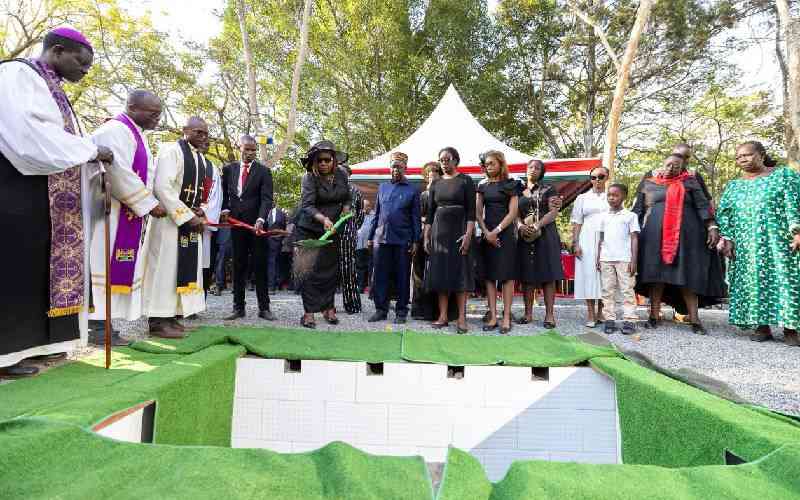
Few leaders in Kenya's modern history embody ideological consistency as profoundly as the late Prime Minister Raila Amolo Odinga. Through decades of struggle, exile, detention, and reform, Raila's political vision has remained anchored in two interwoven convictions, the dispersal of power through devolution and the pursuit of gender equity. Both were not simply political positions; they were pillars of a democratic creed grounded in inclusion, participation, and social justice.
The story of Kenya's 2010 Constitution cannot be told without appreciating the political negotiation and ideological trade-offs that shaped it. At the heart of that process was the clash between the Orange Democratic Movement (ODM), led by Raila, and the Party of National Unity (PNU), led by President Mwai Kibaki. ODM advanced a vision of a parliamentary democracy with devolution, reflecting Raila's long-held belief in local empowerment and shared governance. PNU, on the other hand, favoured a presidential system with centralised authority, wary that devolution could fragment the state or weaken executive coherence.
Subscribe to our newsletter and stay updated on the latest developments and special offers!


 Prefer the Standard on Google





 join
join