×

The Standard e-Paper
Join Thousands Daily
 The Standard Group Plc is a
multi-media organization with investments in media platforms spanning newspaper
print operations, television, radio broadcasting, digital and online services. The
Standard Group is recognized as a leading multi-media house in Kenya with a key
influence in matters of national and international interest.
The Standard Group Plc is a
multi-media organization with investments in media platforms spanning newspaper
print operations, television, radio broadcasting, digital and online services. The
Standard Group is recognized as a leading multi-media house in Kenya with a key
influence in matters of national and international interest.
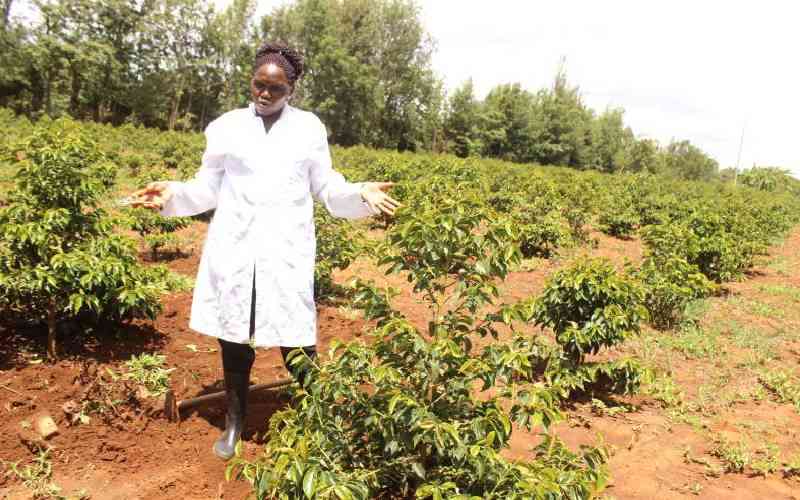
For generations, maize has been the lifeblood of Uasin Gishu's agricultural identity. It was the crop that fed the nation, financed livelihoods, and empowered our farmers to build better lives. Our fathers farmed expansive lands, coordinated through strong cooperatives, and invested in tractors and equipment with pride.
But over time, the landscape has changed. Land fragmentation, rising input costs, erratic weather patterns, and diminishing returns have made maize less reliable as a sole source of income. These realities call for adaptation. They call for courage and most of all, they call for vision.
Subscribe to our newsletter and stay updated on the latest developments and special offers!


 Prefer the Standard on Google







 join
join