×

The Standard e-Paper
Join Thousands Daily
 The Standard Group Plc is a
multi-media organization with investments in media platforms spanning newspaper
print operations, television, radio broadcasting, digital and online services. The
Standard Group is recognized as a leading multi-media house in Kenya with a key
influence in matters of national and international interest.
The Standard Group Plc is a
multi-media organization with investments in media platforms spanning newspaper
print operations, television, radio broadcasting, digital and online services. The
Standard Group is recognized as a leading multi-media house in Kenya with a key
influence in matters of national and international interest.

Audio By Vocalize
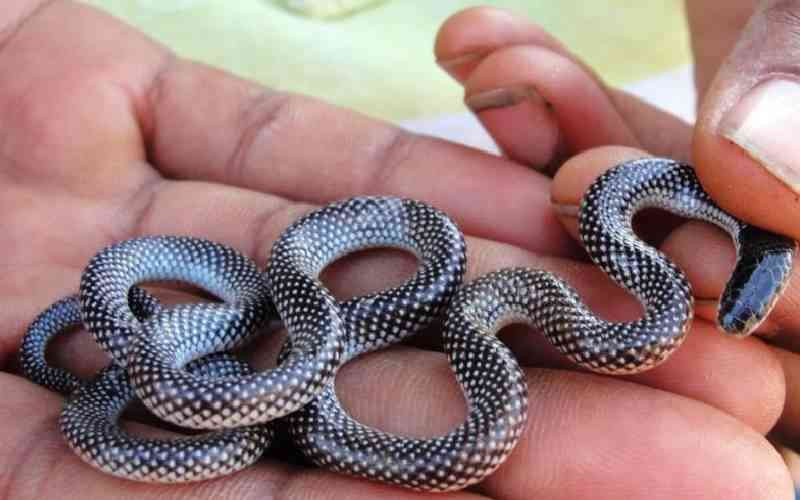
The Kenya Institute of Primate Research (KIPRE) is working on innovative health solutions, including the planned launch of the first East African-specific snake anti-venom.
The production of snake anti-venom will be a landmark breakthrough expected to transform the management of snakebite envenoming across the region.
KIPRE’s CEO Dr Peter Mwethera said the institute has been active in research and investigations in malaria, the One Health approach integrating human, animal and environmental health, and cancer research aimed at improving prevention, diagnosis and treatment outcomes.
Mwethera spoke when Principal Secretary for the State Department for Science, Research and Innovation, Prof Shaukat Abdulrazak, visited the KIPRE’s on a familiarisation visit and high-level engagement on the Institute’s research agenda.
“We are committed to conducting world-class biomedical research, fostering scientific innovation and developing transformative technologies that improve the health and well-being of Kenyans, the region and the global community,” said Dr Mwethera.
The PS lauded the primate institute for taking a leading role in addressing national and regional health challenges through evidence-based research and emphasised the urgent need for increased investment in science, research and innovation to drive sustainable development.
Prof Shaukat observed that KIPRE has continued to prosper as it is ranked among world-class biomedical conducting research institutions, fostering scientific innovation and developing transformative technologies that improve the health and well-being of Kenyans, the region and the global community.
“The Primate Institute has state-of-the-art research laboratories, highly skilled scientists safely extracting venom from live snakes,” said the PS.
The PS was briefed on strategies used by the centre’s scientists for venom collection, processing and development of the region-specific anti-venom.
Subscribe to our newsletter and stay updated on the latest developments and special offers!


 Prefer the Standard on Google









 join
join