×

The Standard e-Paper
Kenya’s Boldest Voice
 The Standard Group Plc is a
multi-media organization with investments in media platforms spanning newspaper
print operations, television, radio broadcasting, digital and online services. The
Standard Group is recognized as a leading multi-media house in Kenya with a key
influence in matters of national and international interest.
The Standard Group Plc is a
multi-media organization with investments in media platforms spanning newspaper
print operations, television, radio broadcasting, digital and online services. The
Standard Group is recognized as a leading multi-media house in Kenya with a key
influence in matters of national and international interest.

Audio By Vocalize
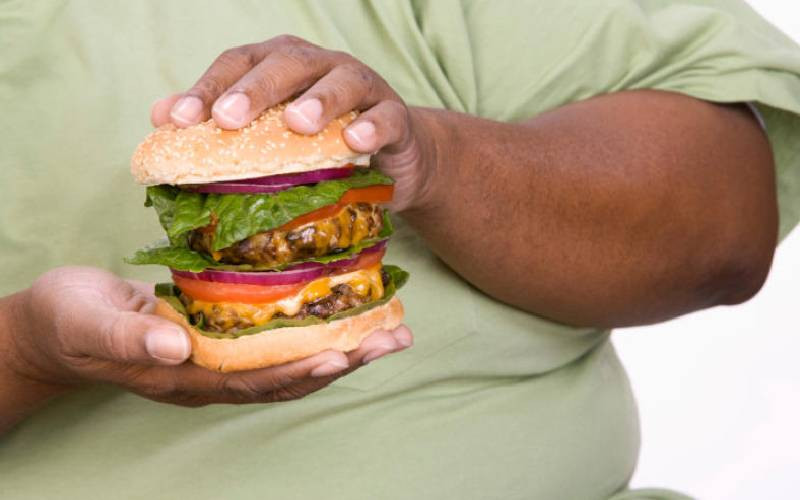
Earlier this year, as Parliament was drafting the Finance Bill 2025/2026, Nandi Hills MP Bernard Kitur made a presentation to the Finance Committee on the need to regulate the country's processed foods industry.
Kitur argued that Kenya must consider measures, including possible legislation, to curb the growing consumption of junk food, saying that it is "destroying Kenyans" health and contributing to rising cases of non-communicable diseases.
Within an hour of his presentation, 'visitors' from a major beverage company known for its sugary drinks reportedly showed up in Parliament to 'talk' to him.
"It was being broadcast live. I think they saw my presentation. Before I could even finish, I was informed they had arrived.
"They said they wanted us to have a discussion. They tried to dissuade me from pursuing that line of action because they feared my proposals would drastically cut their sales. For me, it was about saving Kenyan lives.
"Between you and me, you know what the conversation was all about," he told this journalist.
Kitur was a key convener on Friday at a high-profile meeting organised by the Africa Population and Health Research Centre (APHRC) and the National Assembly in Nairobi, where discussions began on creating a harmonised framework for disclosure of sugar, salt and fat content in food products sold in Kenya.
Kitur says: "It has been shocking to see the statistics: people below 40 are dying because of Non-Communicable Diseases (NCDs). These are illnesses driven largely by what we eat. We are seeing rising cases of obesity, high blood pressure, diabetes and many other conditions."
Presenting at the meeting, Dr Gershim Asiki, Head of the Chronic Disease Management Unit at APHRC noted: "Diet is a leading risk factor for NCD-related deaths. In Kenya, deaths attributed to NCDs have increased from 52 per cent in 2023 to 62 per cent in 2024."
Strengthen regulations
Dr Shukri Mohamed, also from APHRC, urged policymakers to strengthen regulations on the junk food industry.
She highlighted measures such as front-of-pack labelling, restricting marketing aimed at children, enforcing strict procurement of healthy foods and introducing taxes and levies that would make junk food too costly for frequent consumption.
Other MPs who attended the meeting include George Sunkuiya (Kajido West), Dorice Aburi (Kisii), Josses Lelmengit (Emgwen), Pauline Lenguris (Samburu), Julius Kiptoo (Kesses), Mohamed Abdi (Lafey), Shakeel Shabir (Kisumu Town East), Titus Lotee (Kacheliba), Timothy Toroitich (Marakwet West), Dr James Nyikal (Seme), Millie Odhiambo (Suba North), Titus Khamala (Lurambi), Irene Mayaka (Nominated), Jerusha Momanyi (Nyamira) and Caroli Omondi (Suba South).
Stay informed. Subscribe to our newsletter
All the Members of Parliament expressed support for MP Kitur in his push to curb junk food consumption.
"Our health is shaped by where we live, what we eat and what we do. These are the underlying causes of disease.
"For instance, we often view cholera as a disease caused by germs. But real driver is lack of access to clean water. In the same way, we think of diabetes as a condition caused by insufficient insulin. Yet, when you examine it closely, it is largely driven by what we consume.
"We must examine our food more critically. If we improved food quality and availability, alongside access to clean water, we could cut this country disease burden by half."
"I tell people there is no bigger medicine than food," said Dr Nyikal, who is a medical doctor by training and the current chair of the National Assembly's Departmental Committee on Health.
MP Lenguris added: "It is true we are seeing a very high disease burden in our communities. Even I am not sure if the food I eat is healthy. I am not sure that what I have in my fridge at home is healthy. This is a big problem and we must act."
New Bill
MP Momanyi said: "I have become very observant lately. The food and drinks people consume - especially the younger generation - are extremely sugary. We have a problem and we must fix it. I will fully support this process aimed at addressing the spread of junk food."
It is not clear when Kitur became health conscious but he told The Standard that he is the "health sheriff" in his household. He said being a father has played a big role in motivating him to champion healthy eating in Parliament.
"At home, I remind my children not to overindulge in soft drinks and other carbonated beverages. I urge them to cut back because I'm thinking about their future and how challenging it could become."
Kitur also spoke about a nephew who "is barely 22 years old, has hypertension, is obese and is facing other serious health challenges."
The MP vowed to keep pushing for action against junk food, even if it puts him at personal risk.
"I know many multi billion-shilling, multinational companies will fight this because they want to ruin the lives of my generation and those to come."
"We need to manage them through legislation. We have several approaches in mind. First, we can legislate through the Finance Bill.
"Second, we can amend various Acts of Parliament. And third, as you've heard from both MPs and experts here, we can draft an entirely new bill.
"My goal is that by the end of the first quarter next year, the Bill will have been pre-published. By the time we head into the 2027 elections, we should have a comprehensive law in place."
What is now clear is that special-interest groups have direct access to lawmakers. Only time will tell whether Kitur will stand his ground.

Subscribe to our newsletter and stay updated on the latest developments and special offers!










 join
join