×

The Standard e-Paper
Home To Bold Columnists
 The Standard Group Plc is a
multi-media organization with investments in media platforms spanning newspaper
print operations, television, radio broadcasting, digital and online services. The
Standard Group is recognized as a leading multi-media house in Kenya with a key
influence in matters of national and international interest.
The Standard Group Plc is a
multi-media organization with investments in media platforms spanning newspaper
print operations, television, radio broadcasting, digital and online services. The
Standard Group is recognized as a leading multi-media house in Kenya with a key
influence in matters of national and international interest.
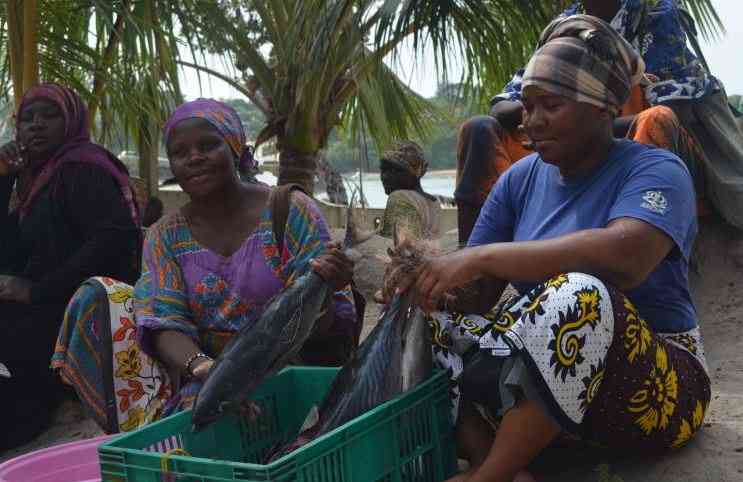
Several social-economic factors, including poverty, cultural practices, and competition among women who are involved in the fish trade, are often listed as variables fueling the 'sex for fish' practice.
According to 2022 data provided by the Food and Agriculture Organisation (FAO), the global fisheries sector supports 600 million livelihoods and provides 20 per cent of the daily protein intake for 3.3 billion people. Women play a crucial role, making up 15 per cent of the harvesting workforce and 85 per cent of fish processing and marketing. In Kenya, fisheries contribute 0.7 per cent to the Gross Domestic Product (GDP).

Subscribe to our newsletter and stay updated on the latest developments and special offers!










 join
join