
×
App Icon
The Standard e-Paper
Join Thousands of Readers
★★★★ - on Play Store
Download Now

Entire third term went without money- Amboko Milemba on capitation delays

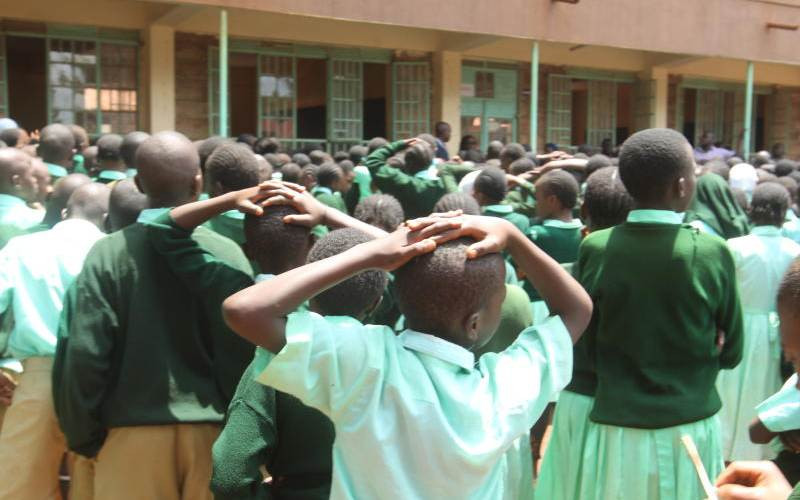
Kakamega primary school  Kenya primary school education assessment grade 6 candidates at the institution on October 24,2025 ahead of the National Exams.[Benjamin Sakwa, Standard]

Education stakeholders have criticised the government over delays in releasing capitation funds, warning that the prolonged disbursement crisis has left schools on the brink of collapse.

The Ministry of Education has yet to release a statement explaining the delays, while schools across the country have struggled to operate without funds.

An audit covering 2020‑24 found public schools were underfunded by about Sh117 billion and persistently suffered disbursement lags and data‑system weaknesses, particularly in the National Education Management Information System (NEMIS).


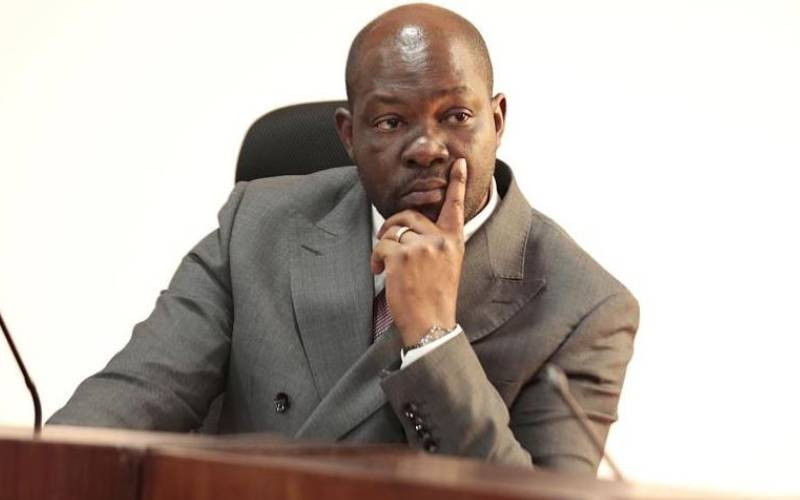
Kenya Union of Post-Primary Education Teachers (KUPPET) chairperson and Emuhaya MP Omboko Milemba on Tuesday, November 11, said schools operated throughout the entire third term without receiving money.

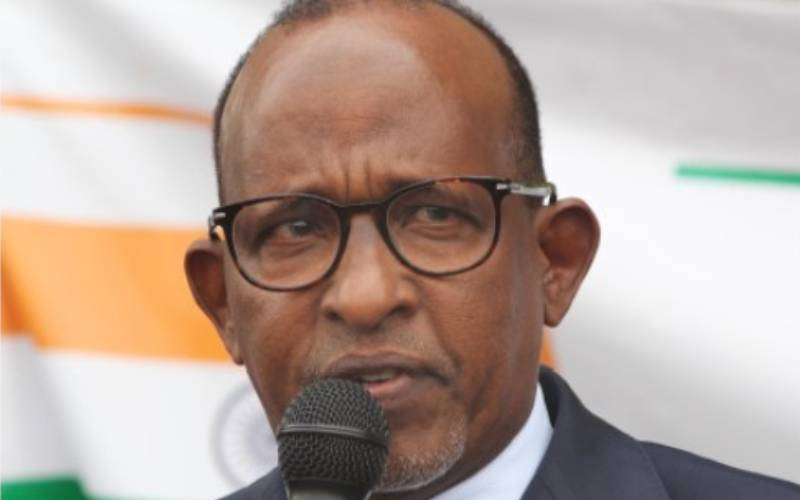
“We have the biggest challenge in the education sector called capitation. Do you know that we finished the entire third term without money being sent to schools? Because Waziri was saying that he's doing something called verification. And verification took a whole term. No money was sent to schools,” Milemba explained during an interview on Spice FM.

He questioned the Ministry’s explanation, saying the verification process could have been done within days.

“If you want to do verification, even if you don't have the system that we are talking about, the education system is so well-structured, you can do that verification in only two to three days. Because in every sub-county, there's a sub-county director for both the Ministry and the Teacher Service Commission. And then there's a BOM person, and then there's a headmaster. That can be done in three days,” Milemba noted.

 The Ministry says 32,000 schools, or about 98 per cent, had submitted enrolment records under the new data‑verification regime, a condition for releasing funds.

Milemba accused the Ministry of wasting time and neglecting schools.

“The reasons why the Ministry would take more than a full term to do verifications that was a lie. It was wasting time. It was filibustering. Students have gone home without capitation to schools. Some schools had to close early,” he added.

School heads say the problem is not new: in 2025, many institutions received less than half of the funds due for the academic year, forcing cuts in supplies and services.

Education advocate Peter Amunga echoed the criticism and called for accountability.

“The person who should be verified is actually the Minister himself. Actually, he and his department and his people working under him are the ones who need to be checked and censored. It is wrong, for example, just to go there and just answer some questions and dust off his coat and go back to do the same thing,” Amunga observed.

The delays have worsened existing problems in schools struggling with inadequate facilities and teacher shortages.

Milemba said many of the teachers employed under the Kenya Kwanza administration remain on contract rather than permanent and pensionable terms.

“Teacher Service Commission, in law, does not have the capacity or the authority, or any powers to employ teachers as interns. It is very straightforward. We made the law in Naivasha some time back that they have to employ teachers on a permanent and pension basis. So it's true this practice is actually wasting our teachers,” he explained.

He added that 20,000 teachers’ contracts are set to expire this month and urged the government to provide a budget to absorb them permanently.

Amunga criticised the government for using terminology such as ghost schools and ghost students to justify capitation delays.

“These delays in capitation, these things you are hearing about ghost schools, these things you are hearing that they are ghost students, there is nothing like a ghost student. These are terminologies used to delay those things like capitation,” he noted.

He also warned that new circulars reducing capitation and increasing school fees would undermine free education.

“The capitation has normally been 22,224 in high schools, but they are now reportedly being revised downward amid fiscal pressure. When we came out and made noise about it, they came up with another circular and said no, we have not done anything like that. But the truth of the matter is that fees will be increased in high schools starting next year. Even what we have been calling the day secondary school, which is supposed to be free now, is no longer going to be free,” Amunga observed.

Milemba stressed that education is a constitutional right, adding, “Education in the constitution is actually marked as a right. Education, especially the basic education from primary to secondary, is not only supposed to be free but supposed to be compulsory.”

The officials called for urgent accountability within the Ministry of Education and a renewed commitment to timely funding.

They warned that the current trajectory of delayed payments threatens the sustainability of the country’s education system.