×

The Standard e-Paper
Stay Informed, Even Offline
 The Standard Group Plc is a
multi-media organization with investments in media platforms spanning newspaper
print operations, television, radio broadcasting, digital and online services. The
Standard Group is recognized as a leading multi-media house in Kenya with a key
influence in matters of national and international interest.
The Standard Group Plc is a
multi-media organization with investments in media platforms spanning newspaper
print operations, television, radio broadcasting, digital and online services. The
Standard Group is recognized as a leading multi-media house in Kenya with a key
influence in matters of national and international interest.
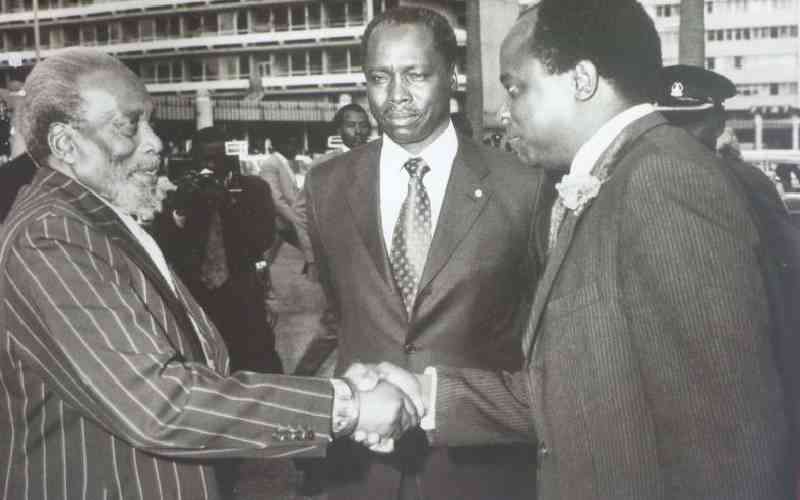
Some documents outlast others and become sources of inspiration or reference. They are results of serious people giving thought to pressing issues of the day. Many documents, whether religious or secular, refer to governance and are used to justify conflicting arguments. Invoking the divine, a practice that goes back to the beginnings of organised living in which people agree to be 'civil' to each other, helps rulers to rule without questioning. It happened in Kenya in both colonial and post-colonial times.
In post-colonial Kenya, documents tended to emphasise creation of the Kenyan nation. The national anthem, for instance, asks God to shower his blessings on Kenyans as they go about building the nation. The 2024 Gen Z tax uprising and the 2025 Butere Girls' 'Echoes of War play' had accusatory messages that the government had failed to adhere to the spirit of the national anthem. The most important post-colonial document, however, was the 1965 Sessional Paper Number 10 on African Socialism and its Application to Planning in Kenya. It remains relevant to policymakers for 60 years.
Subscribe to our newsletter and stay updated on the latest developments and special offers!










 join
join